test
asdasd
The 2000s saw both successes and failures in anime, with gems overshadowed by forgettable titles that failed to resonate.
In examining the progression of anime, the 2000s stand out as a pivotal decade full of creativity and exploration. However, not all series from this era have endured the test of time. Here’s what is confirmed: many titles released during this decade have aged poorly, slipping into obscurity for multiple reasons, particularly due to subpar storytelling, production quality, and a reliance on outdated tropes.
Among the many celebrated anime, such as Monster and Samurai Champloo, a handful of series like Eiken and Musashi Gundoh have become synonymous with mediocrity. Their failures serve as a reminder of how even the most ambitious concepts can falter when not executed well. For example, Musashi Gundoh, which attempts a unique twist on the legendary samurai by introducing gunplay instead of swords, ultimately devolves into a mishmash of half-baked ideas and lackluster animation. The result is a portrayal that not only undermines a historic figure but also feels visually outdated, often resembling older anime from the '90s.
Another example is Ghost Slayers Ayashi, released in 2006. This series showcases a team of warriors battling demon-like enemies in an alternate Edo-period Japan. Despite its intriguing premise, the show bogs viewers down with excessive exposition about historical and political contexts, overshadowing the action. The dedication to detail is commendable, yet the resultant lethargy hampers the pacing and diminishes the story's potential impact. Such narrative choices depict how ambitious storytelling can misfire without careful execution.
Equally underwhelming is This Ugly Yet Beautiful World. This Gainax and Shaft co-production explores thought-provoking themes surrounding humanity’s duality through a sci-fi lens. Initially promising, the series takes a turn into magical girl tropes and romance, leading to inconsistent storytelling that dilutes its philosophical inquiries. The clash between serious themes and frivolous content serves as a poignant reminder that thematic depth should align with the narrative's tone for authenticity.
Moving on to Witchblade, this 2006 anime adapts the popular American comic but fails to capture the essence of the original narrative. By diverting from its source material to focus on a less engaging story set in post-apocalyptic Japan, it squanders the richness of its predecessor. The characters, particularly the female leads, lack the depth that typically enriches a compelling anime, resulting in a frustrating viewing experience that leaves many fans disappointed.
Eiken stands out for its unabashed indulgence in fan service. With a flimsy narrative revolving around a school club predominantly focused on physical attraction, it attempts humor through juvenile antics. Yet, the execution leaves much to be desired. While aimed at a specific audience, even fans of the genre find it lacking, evidenced by its poor reception and inability to retain viewer interest.
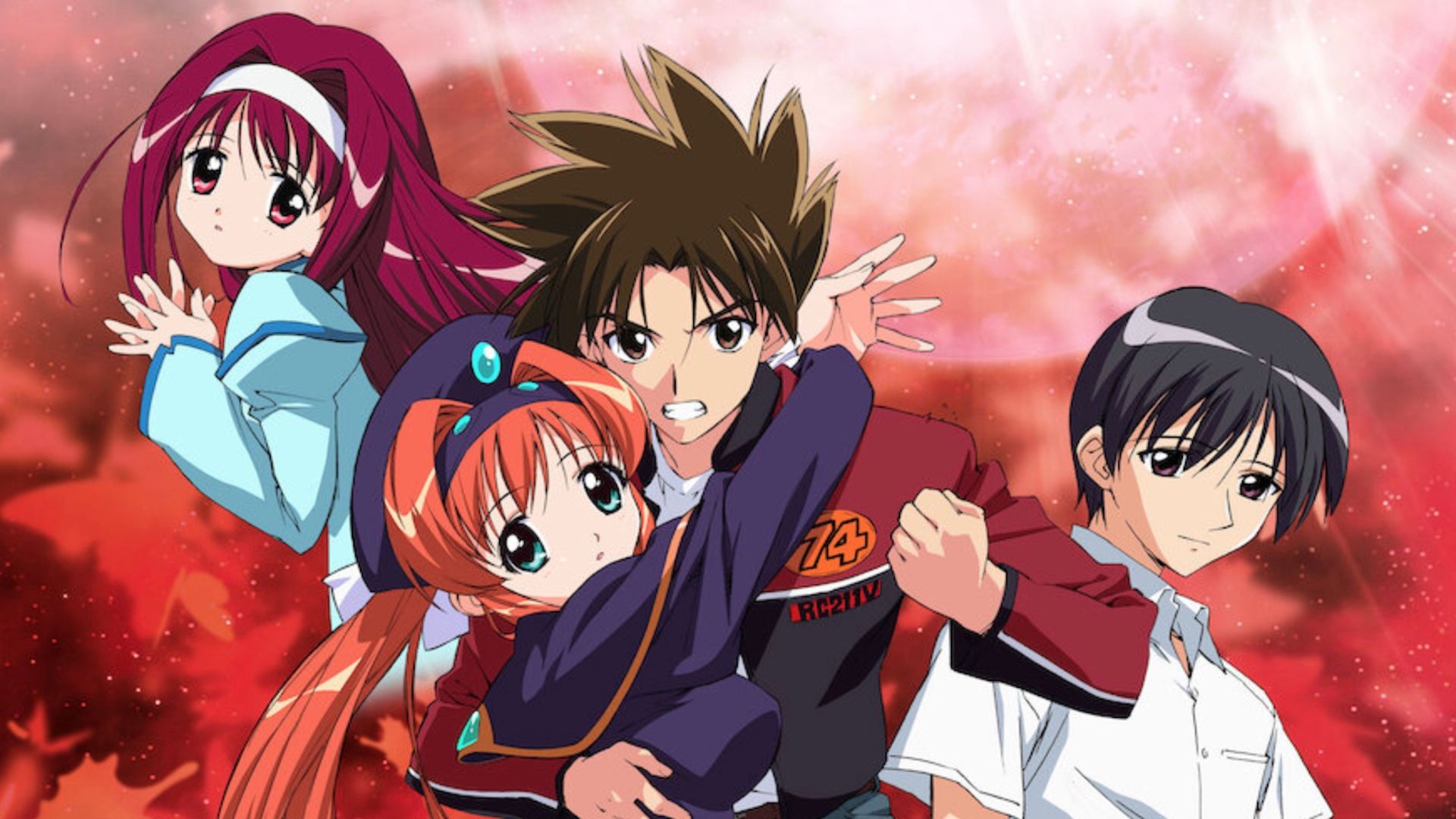
Despite its flaws, Green Green does attempt to tackle humor around gender dynamics when a co-educational model disrupts an all-boys school. The execution ends up controversial, as the character portrayals lean into problematic stereotypes, showcasing how societal expectations can clash with comedic intentions. The tonal shifts from comedy to attempted romance demonstrate the challenges within such narratives, making it difficult for audiences to engage fully.
Finally, Master of Martial Hearts epitomizes the challenges of blending fan service with action-driven narratives. Instead of innovative fight choreography, the show opts for a superficial focus on titillation, hampering viewer immersion. As it recycles frames and doesn't deliver on its premise, it illustrates how production limitations can detract from storytelling.
The forgotten titles of the 2000s are more than mere relics; they serve as cautionary tales for future creators. While some series may have had initial spark or ambition, poor execution leads to a quick fade from collective memory. As fans continue to seek out quality narratives, recognizing the missteps of these underwhelming shows might prevent similar failures in contemporary anime offerings.
For those looking for contrasting experiences, check out: 5 Greatest Fantasy Anime Series of the 2020s, Ranked, 7 Timeless 2000s Anime Gems for True Fans, and 5 Greatest High Concept Sci-Fi Anime That Challenge Our Perceptions.
Story breakdown
EpisodeBreakdown may use automated tools to assist research, drafting, and formatting. Published pages are governed by our editorial and corrections policies, and source links are shown when they are available in the article record.
Discovery source: CBR Anime. The source identifies where the topic was discovered; EpisodeBreakdown is responsible for the commentary published on this page.
Reader response
Reactions and poll results are based on real reader responses. No account is required.