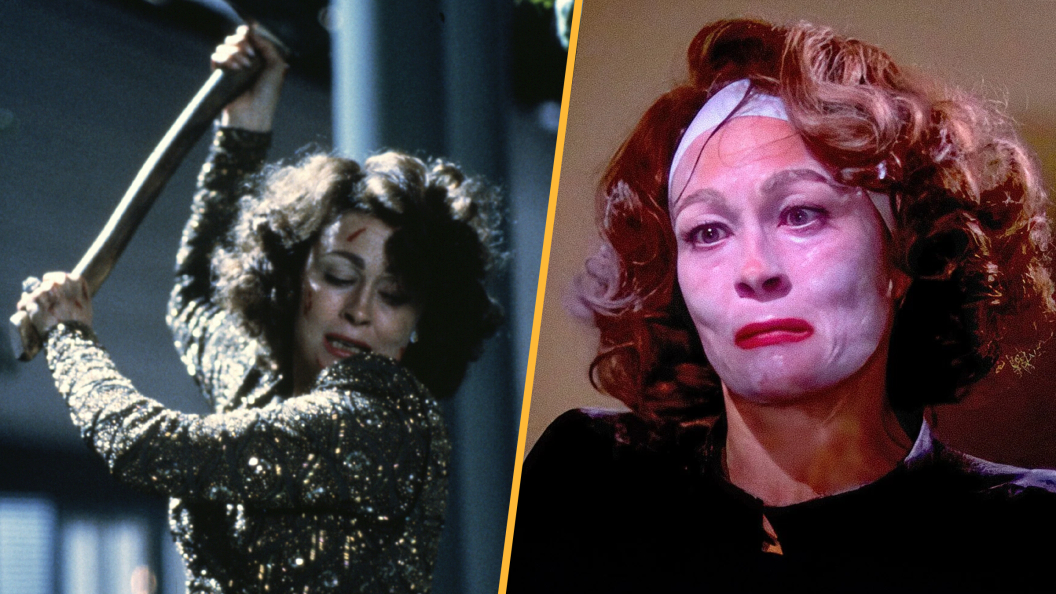
MCU Phase 7 to Feature 9 Movies, Official Report Confirms
Marvel Studios will reportedly explore a new slate of nine movies in Phase 7 of the MCU, featuring a mix of solo and team-up films, according to ComicBook.com.
Three influential 2000s films that quietly shaped Hollywood practices but rarely receive credit have been recognized.
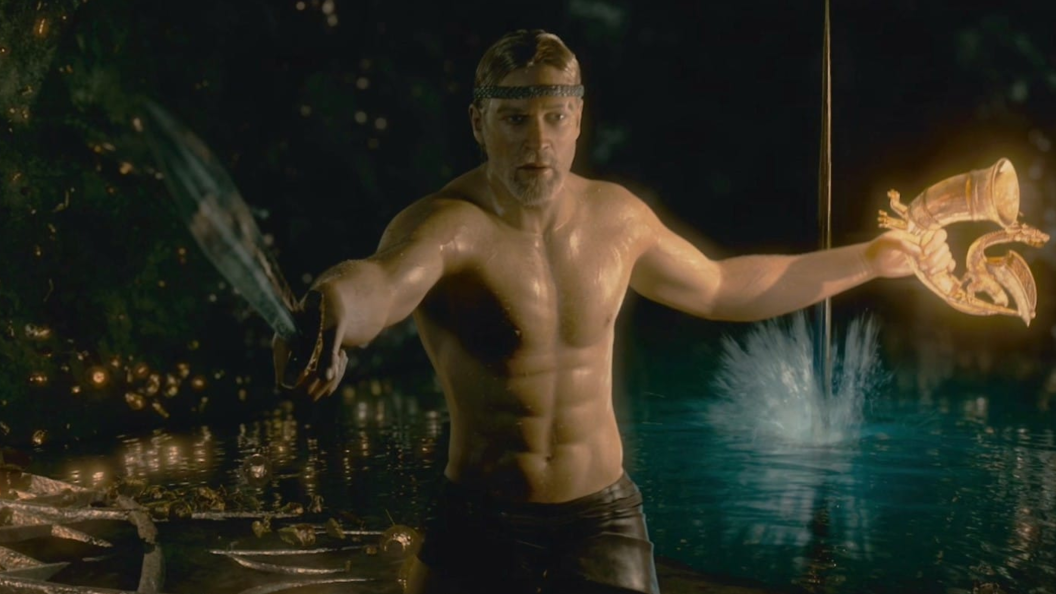
Recently, ComicBook.com presented a compelling analysis of how three lesser-known films from the 2000s quietly influenced Hollywood practices in significant ways. Although these films didn’t achieve commercial success, their innovative approaches laid the groundwork for practices that are now commonplace in the industry.
The following movies from the 2000s are highlighted as key examples:
Sky Captain and the World of Tomorrow: Directed by Kerry Conran and released in 2004, this film was notable for its all-digital environment, featuring over 2,031 computer-generated shots. It included archive footage of Laurence Olivier posthumously and was a major studio-scale experiment, despite its box office return of under $58 million against a $70 million budget.
Bubble: Released in 2006 and directed by Steven Soderbergh, this film was groundbreaking for collapsing the traditional release window from months to merely four days between theatrical release and DVD. This approach faced backlash and boycotts from major theater chains, but years later, it paved the way for current releases that often bypass traditional windows entirely.
Beowulf: Released in 2007 and directed by Robert Zemeckis, this performance-capture film demonstrated the financial viability of 3-D, with 3-D screens generating substantial revenue from a portion of the total screens it occupied. It became the widest rollout of a digital 3-D film at the time, influencing future 3-D releases, including the highly successful Avatar.
While these films didn't garner the acclaim they surely deserved at their time of release, their experiments contributed to significant shifts in Hollywood. As laid out in ComicBook.com's study, these projects introduced structural changes that became standard industry practices years later, such as all-digital filmmaking, simultaneous release windows, and the financial model for 3-D films.
Despite their innovative contributions, none of these films have been recognized as the catalysts for these shifts by industry insiders. The pattern indicates a trend where pioneering work goes unrecognized until later successes benefit from what these films originally attempted.
The legacy of these three films can be seen in today’s rapidly evolving entertainment environment. With studios increasingly adopting digital technology and more flexible distribution models, the groundwork laid by Sky Captain and the World of Tomorrow, Bubble, and Beowulf demonstrates how risk-taking can redefine norms in filmmaking.
Although these films didn’t perform well commercially, their role as innovative experiments highlights the importance of different approaches in art and storytelling, even if they are initially misunderstood or overlooked. The industry often credits later successes while forgetting the stones that paved the way.
This analysis serves as a reminder of the often-unseen impact that past films can have on the future landscape of cinema. As the industry continues to innovate, recognizing those early experiments could provide valuable lessons on creativity, risk-taking, and the nature of progress in Hollywood.
Entertainment news
EpisodeBreakdown may use automated tools to assist research, drafting, and formatting. Published pages are governed by our editorial and corrections policies, and source links are shown when they are available in the article record.
Discovery source: ComicBook.com. The source identifies where the topic was discovered; EpisodeBreakdown is responsible for the commentary published on this page.
Reader response
Reactions and poll results are based on real reader responses. No account is required.