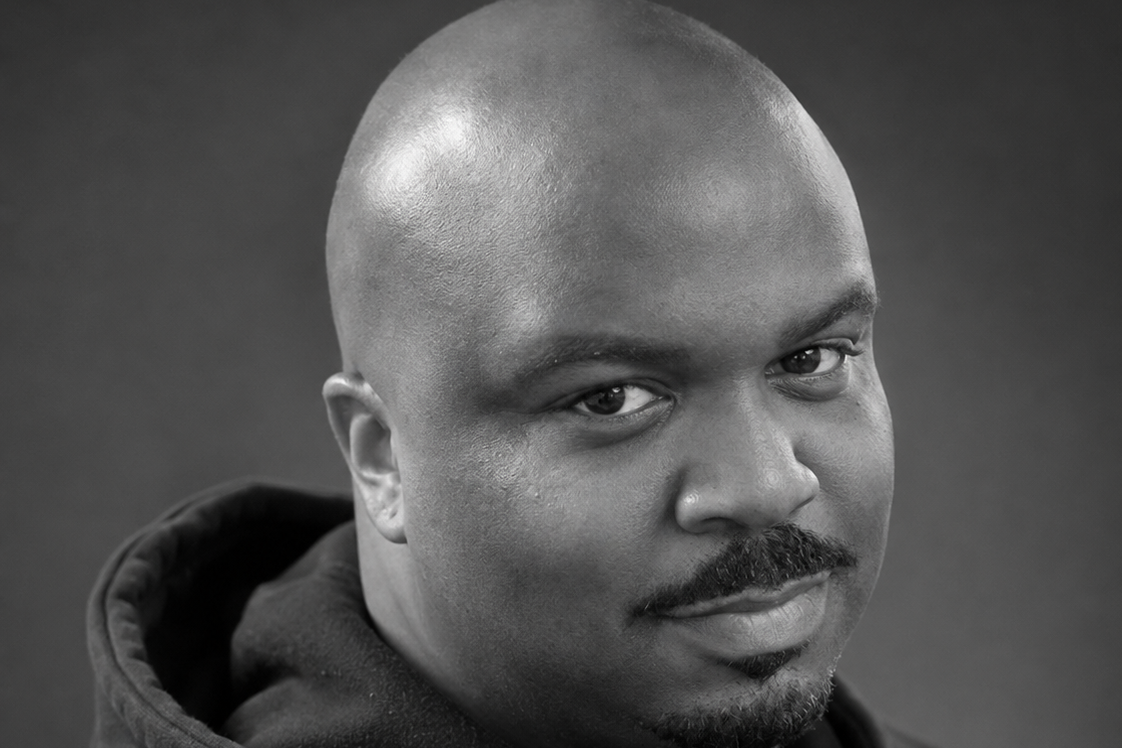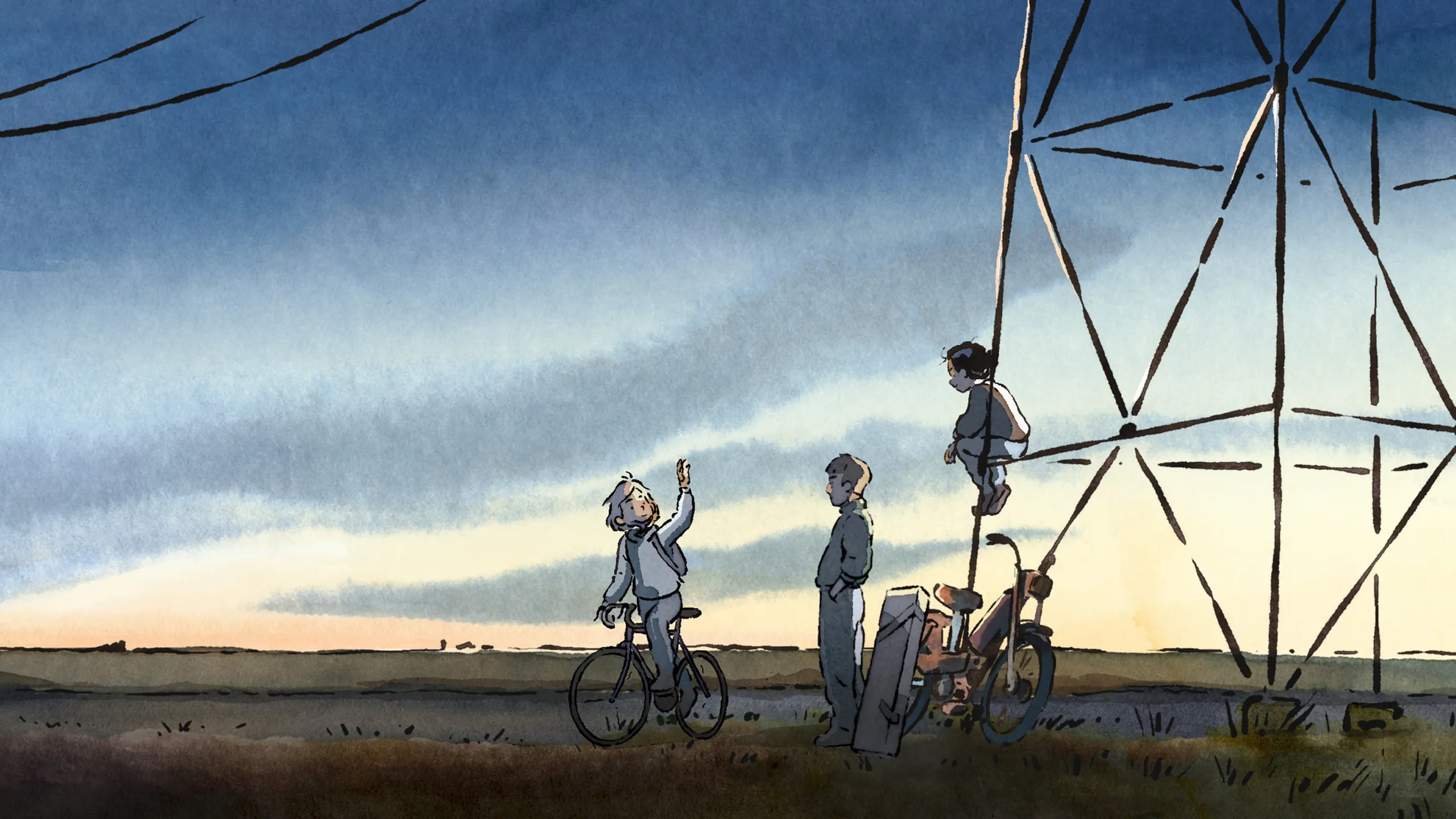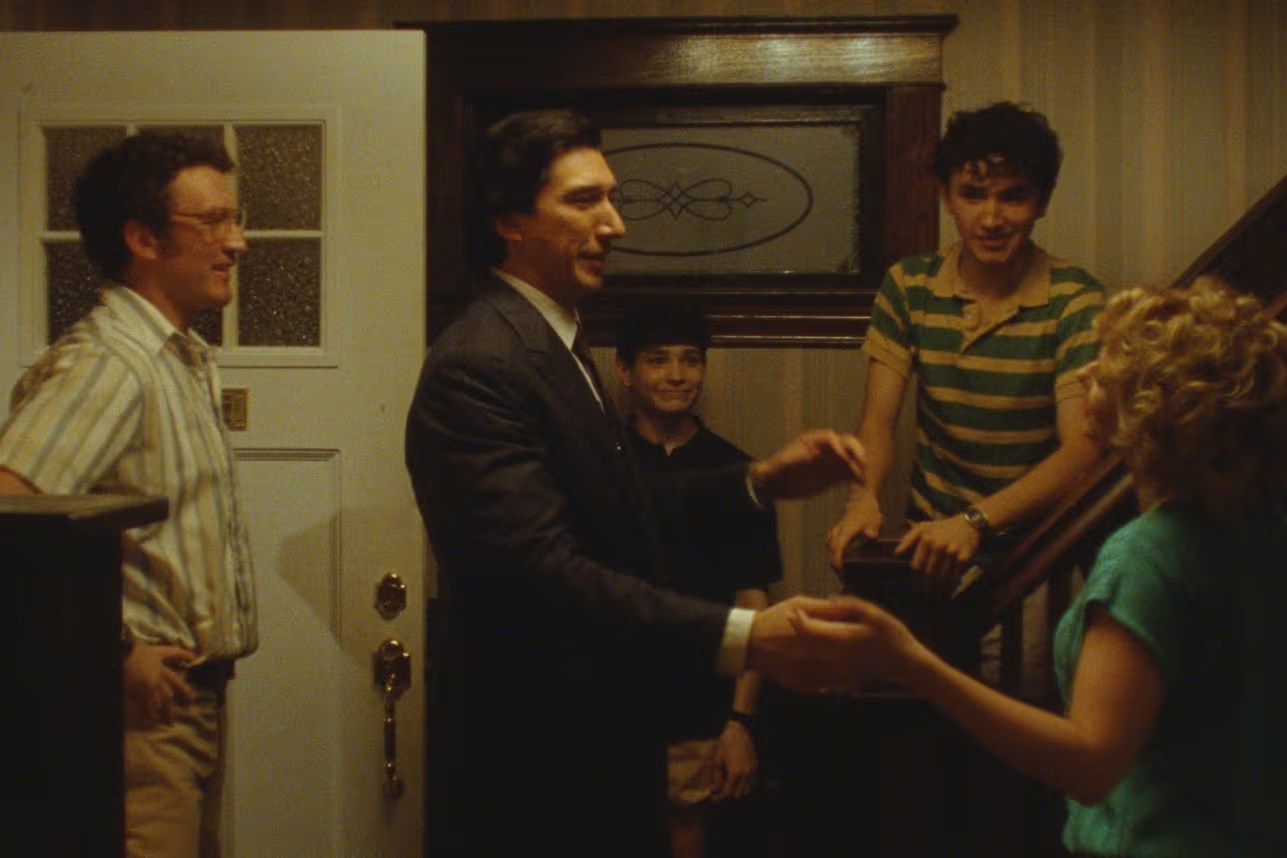
‘Paper Tiger’ and ‘Musk’ Documentary Featured at 2026 SFIFF
The 2026 Santa Fe International Film Festival showcases key titles including 'Paper Tiger' and 'Musk', marking an exciting lineup for this year.
A look into the Hollywood stars who were considered for Aragorn before Viggo Mortensen took the iconic role in The Lord of the Rings.
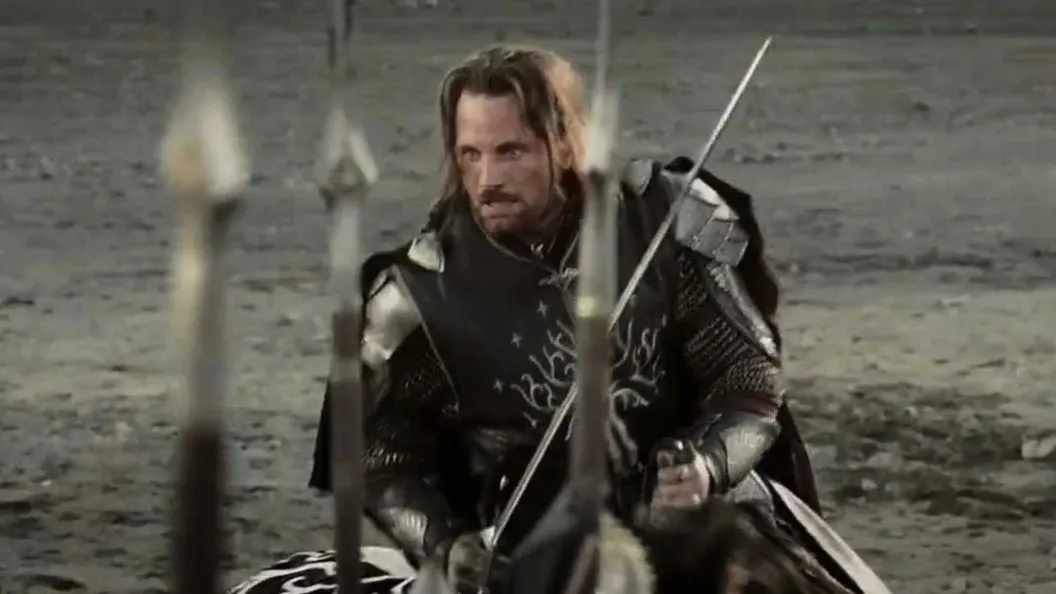
Following the release of The Lord of the Rings in 2001, Viggo Mortensen's portrayal of Aragorn became synonymous with the character. However, it was revealed that several well-known actors were considered for the role before Mortensen, including big names that could have taken Middle-earth in a different direction.
According to a report by ComicBook.com, actors such as Nicolas Cage, Russell Crowe, Stuart Townsend, and Daniel Day-Lewis were all in the running to embody the legendary character before Mortensen stepped in. Understanding their near-casting not only highlights the film’s transformative journey but also provokes intrigue about how different the films might have been.
Nicolas Cage, known for his intense performances, was briefly considered for the role of Aragorn. Cage revealed that the commitment associated with the role would have required him to dedicate three years to filming and extensive travel to New Zealand. Ultimately, he chose to decline, as he could not commit to such a prolonged absence from home. His casting could have significantly altered the tone of the character, given his unique style that often leans towards intensity. However, the role demanded a level of restrained performance, which might not have aligned perfectly with Cage's established persona.
Russell Crowe, fresh off the success of Gladiator, was also approached for the role. He indicated that he felt pressure from the studio to engage in discussions about the part, despite sensing Peter Jackson may have already had Mortensen in mind. Interestingly, Crowe was reportedly offered 10% of the film's gross, which could have translated to earnings of up to $100 million had he taken the role. Crowe’s physicality could have lent a warrior's bravado to Aragorn, but the character's complexity revolves around his reluctance to embrace kingship, a portrayal that may have been different under Crowe's influence.
Stuart Townsend didn’t just audition for the role; he was originally cast as Aragorn. He spent two months in New Zealand preparing for the part, only to be released right before filming began. Mortensen later mentioned that Townsend was considered too young for the character, as he appeared closer in age to the Hobbits rather than the legendary figure of Aragorn. This abrupt change left Townsend with a bitter experience, notably after he wasn’t compensated for his time due to contractual terms. His initial involvement raises questions about rehearsal dynamics within large productions.
Daniel Day-Lewis, an actor of significant acclaim with two Oscars under his belt at the time, was also rumored to have been offered the role multiple times. However, Day-Lewis expressed disinterest in commercial blockbuster films, preferring more character-driven narratives. His method acting might have brought a very different vibe to Aragorn, possibly enhancing the film’s artistic credibility. Yet, the scope of a trilogy may not have suited his inclination toward independent projects, reinforcing the complexities of casting decisions in Hollywood.
Ultimately, Mortensen accepted the role at the last minute, stepping into a character that would become integral to the fabric of both the films and Tolkien's lore. His commitment was evident during filming, particularly when he infamously injured himself while kicking an Uruk-hai helmet, demonstrating his dedication to embodying Aragorn authentically. As a result, his casting resonates deeply with fans and critics alike, making it challenging to envision anyone else in the role.
With Mortensen’s portrayal so firmly established, the alternative casting scenarios discussed shed light on the intricate decision-making process behind such a groundbreaking film series.
The revelations about the actors who almost played Aragorn offer insight into Hollywood's complex casting landscape and invite audiences to consider how different portrayals could alter iconic narratives. Each actor brought their unique flair, but Mortensen’s dual balance of strength and vulnerability has left an indelible mark on the character. As adaptations of J.R.R. Tolkien's works continue to be produced, reflecting on casting choices holds significance for how these beloved stories are told in the future.
Entertainment news
EpisodeBreakdown may use automated tools to assist research, drafting, and formatting. Published pages are governed by our editorial and corrections policies, and source links are shown when they are available in the article record.
Discovery source: ComicBook.com. The source identifies where the topic was discovered; EpisodeBreakdown is responsible for the commentary published on this page.
Reader response
Reactions and poll results are based on real reader responses. No account is required.