test
asdasd
Explore the legal drama surrounding 'Mutant X,' a mutant TV show that led to a lawsuit between Marvel and Fox over character rights during its production.
Explore the franchise
In simple terms, the TV show 'Mutant X' became the center of a significant legal dispute between Marvel and Fox after its release in the early 2000s. Though the series focused on a team of genetically altered mutants, it lacked any direct ties to the X-Men franchise, yet the company owning the film rights, 20th Century Fox, was displeased enough to sue Marvel over perceived licensing violations. This article unpacks the drama and implications of the lawsuit, along with the legacy of the show itself.
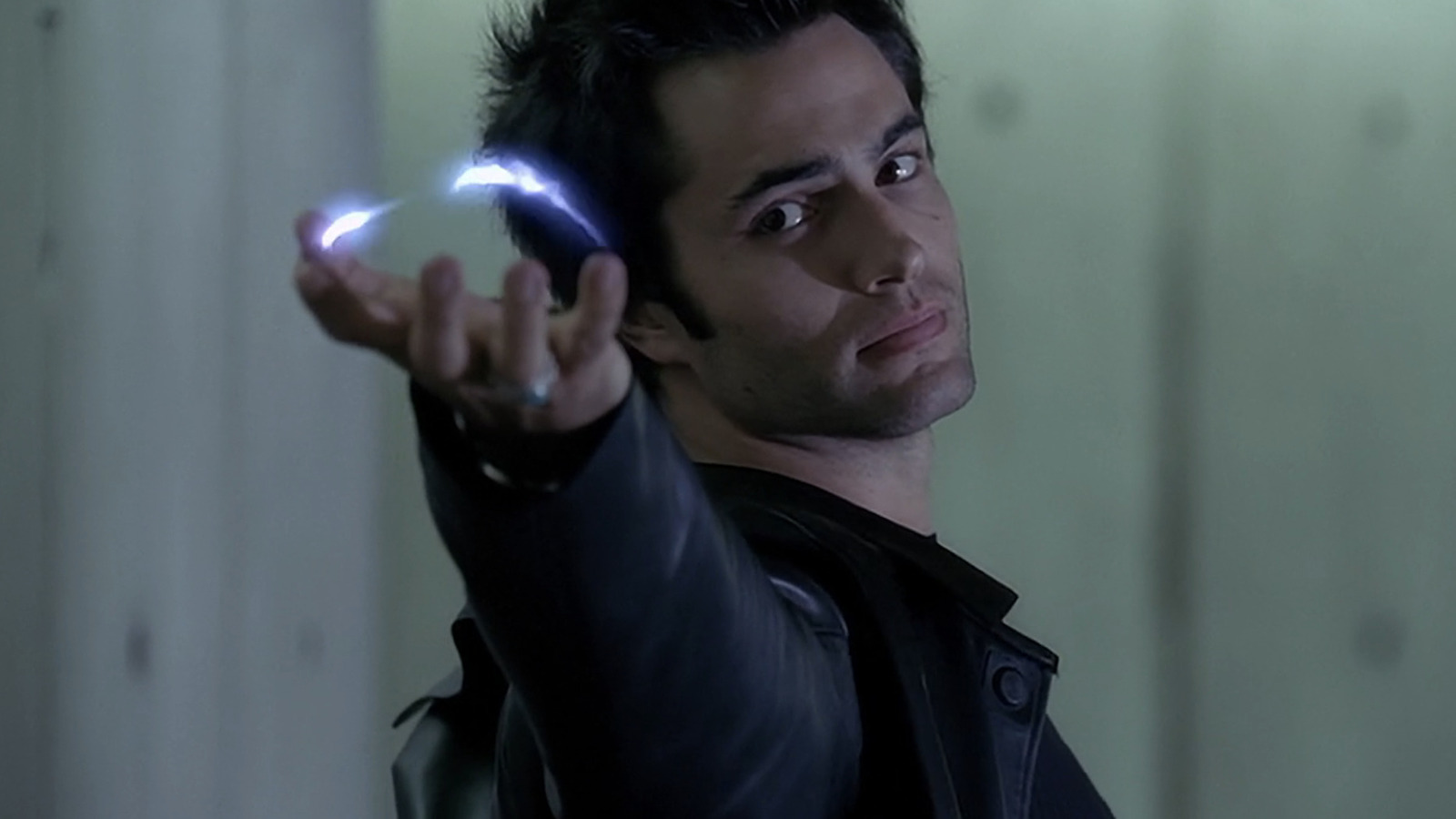
'Mutant X' premiered in October 2001, following the success of the first 'X-Men' film released by 20th Century Fox in 2000. The show introduced viewers to a team of superpowered individuals, each benefiting from questionable genetic experiments. Their mission was to locate and protect fellow mutants from the nefarious agency Genomex. Interestingly, while it featured mutant characters, 'Mutant X' had no explicit connections to the widely recognized X-Men comics or characters like Wolverine and Magneto.
As 'Mutant X' gained traction, 20th Century Fox took action, filing a lawsuit in 2001 for breach of contract and false advertising. The corporation felt that Marvel’s creation of this show with its own mutant characters was encroaching on the rights it had purchased in the 1990s when it acquired the film rights to the X-Men. Marvel responded by countersuing, arguing that 'Mutant X' was not a direct adaptation of any X-Men property and that its characters were sufficiently distinct to not violate Fox's agreement.
The legal situation reached a critical point when a judge ruled that 'Mutant X' could continue airing as long as it did not reference the X-Men or the associated Fox films. This ruling allowed the show to move forward, but the legal strife was indicative of the complexities and tensions in the comic book media landscape of the time. Eventually, in 2003, both parties reached an amicable settlement; however, the terms of the agreement were never disclosed.
Despite its legal hurdles, 'Mutant X' ran for three seasons, with plans for a fourth season delayed by the collapse of Fireworks Entertainment, one of the production companies involved. The series finale left the storyline unresolved, ending on a cliffhanger, which drew some criticism. Today, 'Mutant X' is often labeled as one of the lesser-quality superhero TV shows in history. Its peculiar place within the superhero genre raises questions about the challenges of adapting comic book properties into television formats.
After the fallout from 'Mutant X,' Fox ventured into its own adaptations of the X-Men universe, premiering shows like 'The Gifted' and 'Legion' in 2017. Though both shows were received with mixed reactions and ended in 2019, they showcased Fox's effort to tap into the X-Men legacy. Notably, neither series fit neatly into Fox's convoluted X-Men movie timeline, which made for a more challenging viewing experience.
An interesting twist to this saga is how the legal landscape surrounding Marvel and Fox evolved over the years. Following Disney’s acquisition of Marvel in 2009 and later 20th Century Fox in 2017, the complexities of character rights that previously led to significant legal battles became moot. With all rights now consolidated under Disney, Marvel could produce shows like 'Mutant X' or even a legitimate X-Men series without the legal entanglements that once loomed over their productions.
Read about Dolly Parton's short-lived variety show here.
Learn more about Jason's haunting presence in Six Flags this Halloween.
Uncover details about the forgotten series 'Wrecked.'
The saga of 'Mutant X' serves as a cautionary tale about the intricacies of intellectual property in the entertainment industry, particularly when multiple studios hold competing rights. While the show's narrative may have slipped into obscurity, its legal implications resonate in the current superhero landscape, especially as Marvel continues to expand its universe without the complications of rights disputes. The once-contentious relationship between Marvel and Fox ultimately shaped how superhero stories are told on-screen today.
Story breakdown
EpisodeBreakdown may use automated tools to assist research, drafting, and formatting. Published pages are governed by our editorial and corrections policies, and source links are shown when they are available in the article record.
Discovery source: TVLine. The source identifies where the topic was discovered; EpisodeBreakdown is responsible for the commentary published on this page.
Reader response
Reactions and poll results are based on real reader responses. No account is required.