test
asdasd
Explore the reasons modern viewers find Fullmetal Alchemist difficult to engage with, from pacing issues to diverging storylines.
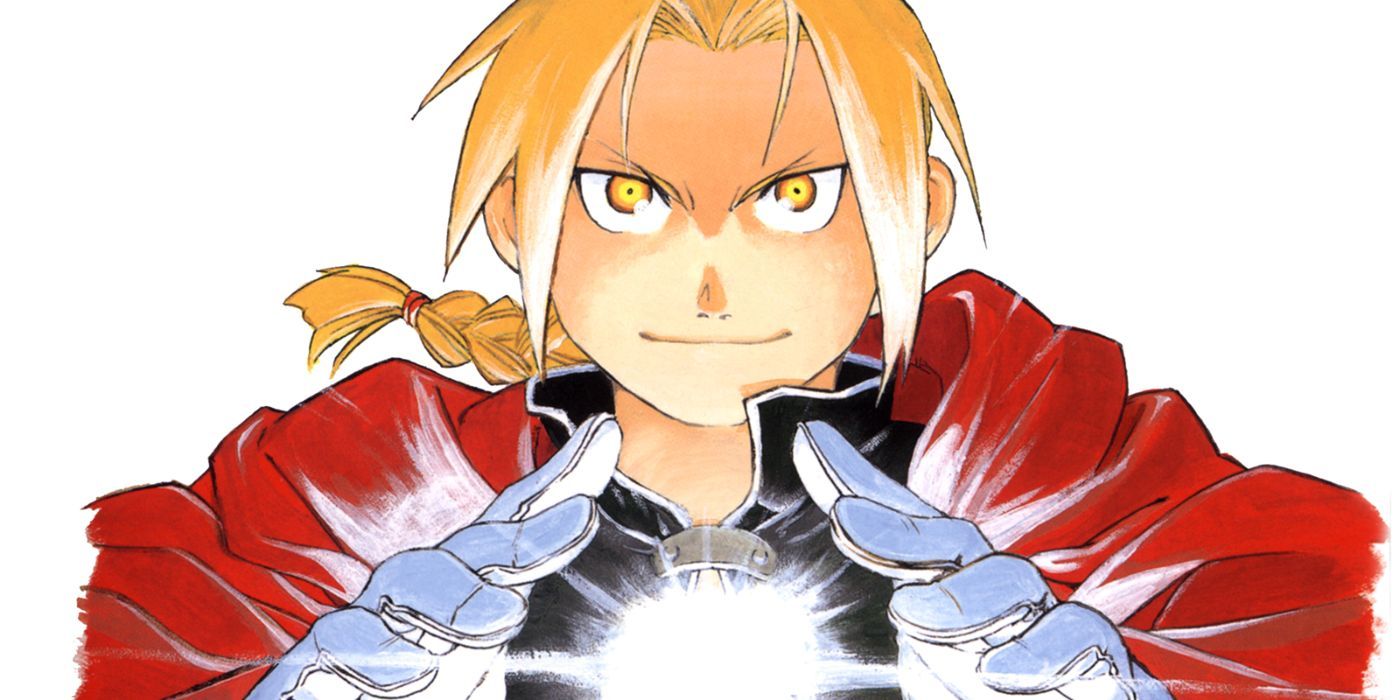
In simple terms, while Fullmetal Alchemist is celebrated as a classic in the anime genre, many newcomers today find it hard to watch due to its pacing, narrative structure, and deviations from the source material. The 2003 series, in particular, has aspects that can feel dated and disjointed when compared to newer anime, especially its younger sibling, Fullmetal Alchemist: Brotherhood.
One of the primary challenges faced by Fullmetal Alchemist is its unique position in the realm of anime adaptations. When it first aired in 2003, Hiromu Arakawa’s manga was still ongoing, creating a gap between the source material and the anime's narrative progression. This forced the production team at Studio Bones to create a largely original storyline which diverges significantly from the manga. While this was done with Arakawa’s approval, it results in a viewing experience that can confuse modern audiences who favor faithful adaptations.
As the series progresses past its initial arcs, it follows a storyline that is entirely separate from the manga, leading to a schism that potential viewers may find off-putting. This deviation is one key reason why some fans recommend skipping the 2003 version in favor of Brotherhood, which remains faithful to Arakawa’s vision.
Fullmetal Alchemist adopts a slower, more introspective pacing as it delves into the psychological and emotional ramifications of alchemy. This tonal shift can be jarring for viewers expecting the rapid storytelling and action-packed sequences often found in contemporary shonen anime. The Elric brothers' journeys become intricate explorations of guilt, tragedy, and sacrifice, depicting alchemy not just as a scientific force but a haunting and transformative experience.
However, this slow pacing can lead to episodes that feel like filler, especially when certain arcs introduce new characters or plotlines that never reappear. This narrative structure may leave viewers feeling frustrated, particularly when modern anime tends to focus on concise storytelling.
Another hurdle lies in Fullmetal Alchemist's character portrayal and development. Characters like Barry the Chopper are introduced in a grim manner, starkly contrasting with the lighter tones present in Brotherhood. Some of the original series' characters are depicted with greater emotional complexity, often leading to darker and more tragic outcomes. While this adds depth, it also diverges from expectations that might accompany a shonen series, which often incorporates humor and lighter moments to balance the darker themes.
The original Fullmetal Alchemist closes its storyline with a cliffhanger, leaving viewers to seek out the film Conqueror of Shamballa for resolution. This unresolved narrative is a stark departure from modern storytelling trends that prefer to deliver complete arcs within the series itself. The need for a supplementary film can be daunting for viewers who may not want to invest additional time and resources into a conclusion that should ideally wrap up the TV series.
Furthermore, the plot's resolution raises numerous questions regarding character motivations and narrative logic. The main antagonist, Dante, embodies a grimmer take on villainy, often lacking in charisma which leaves viewers wanting a more compelling resolution. This can lead to dissatisfaction, particularly when juxtaposed with the motivations of the Homunculi, who, despite their darker actions, possess a more engaging backstory. The juxtaposition makes Dante seem secondary and lacks the depth necessary for a story of this magnitude.
Fullmetal Alchemist: Brotherhood, which released in 2009, benefits from a more unified narrative that follows the manga closely, not only rectifying many of the issues present in the 2003 version but delivering a more cohesive series that resonates with contemporary audiences. The animation quality also significantly surpasses that of the original, offering a visually appealing experience that modern viewers often expect.
For those looking for anime that captures the brilliance of storytelling, consider checking out 10 Must-Watch Anime on Netflix for August 2026 or Exploring 10 Forgotten Action Anime That Have Aged Gracefully. These alternatives showcase narrative complexities while maintaining captivating storytelling techniques suitable for today's viewers.
In essence, while Fullmetal Alchemist had its place as a pioneer in early 2000s anime, it faces challenges in accessibility for modern audiences due to its pacing, narrative structure, and diverging plotlines. The 2003 adaptation, in particular, may not resonate as strongly with new viewers who prefer clear story arcs and logical resolutions, highlighting the importance modern fans place on faithful adaptations. It remains a celebrated classic, but its flaws push newer audiences toward Brotherhood for a more streamlined and satisfying viewing experience. While some viewers may still appreciate the original’s emotional depth, the divergences and slower pacing can be significant barriers for those unfamiliar with the story's context.
Story breakdown
EpisodeBreakdown may use automated tools to assist research, drafting, and formatting. Published pages are governed by our editorial and corrections policies, and source links are shown when they are available in the article record.
Discovery source: CBR Anime. The source identifies where the topic was discovered; EpisodeBreakdown is responsible for the commentary published on this page.
Reader response
Reactions and poll results are based on real reader responses. No account is required.