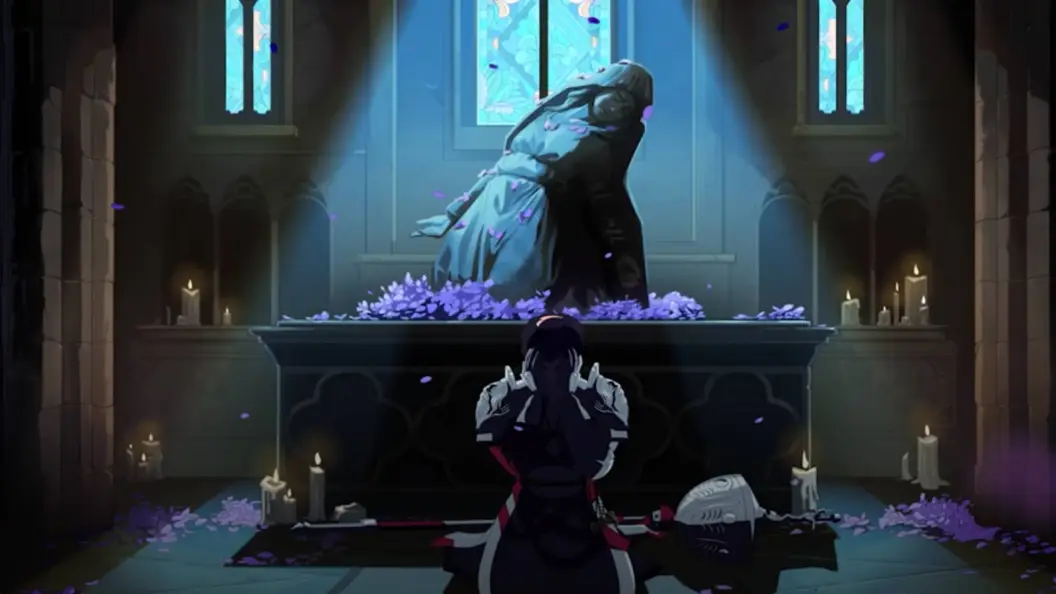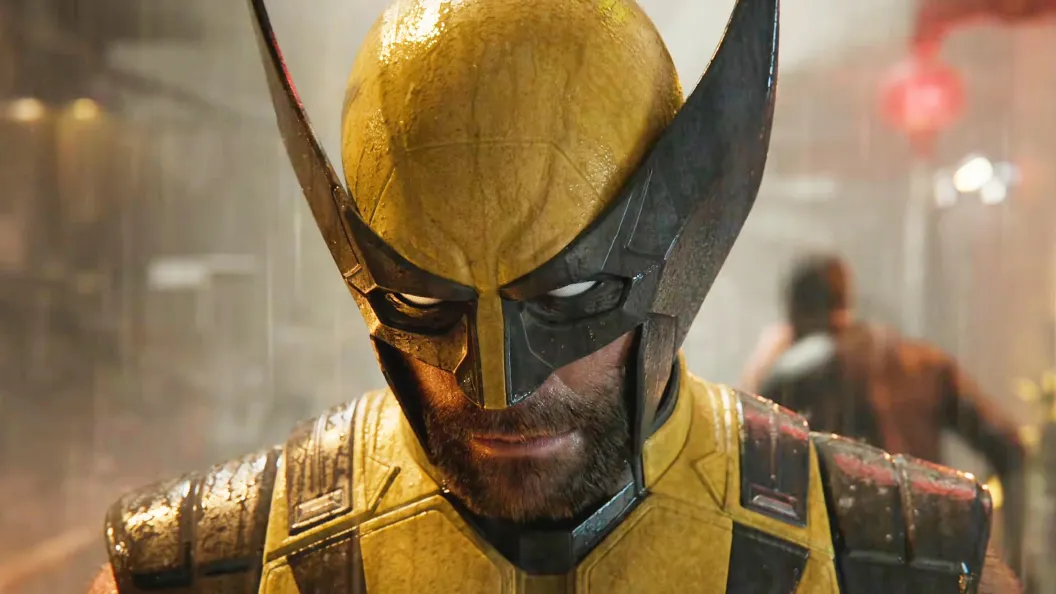
Marvel's Wolverine Review Scores: A Mixed Reception Ahead of Launch
Reviews for Insomniac's Marvel's Wolverine suggest it may not fully meet high expectations before its September 15 release.
In a recent Reddit AMA, Guillermo del Toro shared the two key concepts that made his film Pacific Rim resonate with audiences, offering insights into his creative process.
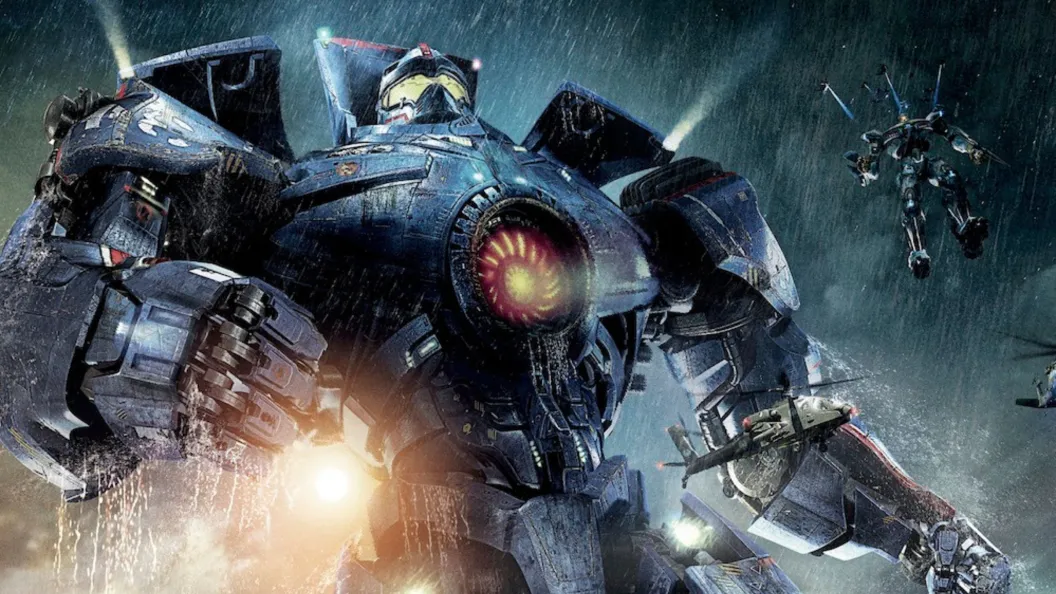
Filmmaker Guillermo del Toro recently shared insights into the creative process behind his 2013 film Pacific Rim during a Reddit AMA. He disclosed two significant terms he coined—"GothTech" and "Smart-Stupid"—that played a crucial role in making the film compelling. This revelation is part of a promotional effort for the upcoming 4K restoration and 3D conversion of his film Pan's Labyrinth, set for release on October 9, 2026, as reported by ComicBook.com.
Del Toro explained that "GothTech" refers to the blend of gothic elements with technology, an aesthetic he has consistently applied throughout his career. The director cited his work on Blade II as a crucial example of merging atmospheric settings with innovative designs to create visually unique landscapes. In Pacific Rim, this approach was evident in distinctive machinery and kaijus that, though rooted in genres of fantasy and science fiction, conveyed a sense of realism through intricate details and design.
Alongside "GothTech," del Toro introduced the term "Smart-Stupid" to describe the film's premise—a giant robot as humanity's defense against colossal monsters. He acknowledged the inherent absurdity of this concept but emphasized the importance of treating it with seriousness. By committing to this philosophy, del Toro successfully established a world where viewers could suspend disbelief, making outrageous scenarios, like a Jaeger wielding an oil tanker as a weapon, feel credible within the narrative framework.
Pacific Rim revitalized the kaiju genre in Hollywood, emerging at a time when interest in monster films had waned. The film's success re-opened the floodgates for oversized monster movies, setting a new standard for balancing visual spectacle with storytelling depth. Del Toro's ability to combine visual artistry with character-driven narratives contributed to the film's cultural significance, solidifying its status as a modern classic within its genre.
Given del Toro’s reflections during the AMA, it’s clear that he remains passionate about the intersection of kaiju and mecha storytelling. No formal announcements regarding future projects in this realm have been made, but his interest in exploring these themes indicates a likely continued fascination with such concepts.
Del Toro’s recent insights into Pacific Rim not only highlight the director's unique creative vision but also underscore the ongoing relevance of the kaiju genre. As audiences embrace diverse storytelling approaches, del Toro’s terms could become essential talking points in discussions about contemporary and future monster films. The conversation sparked by his comments during the Reddit AMA may reignite interest in the genre and inspire similar projects. To stay updated on Guillermo del Toro’s works and the evolving landscape of monster cinema, be sure to check back with EpisodeBreakdown’s reports.
For more information on del Toro's work, check out our articles on his return to the silver screen with the restoration of Pan's Labyrinth and the impact of his cinematic style on modern filmmaking.
Entertainment news
EpisodeBreakdown may use automated tools to assist research, drafting, and formatting. Published pages are governed by our editorial and corrections policies, and source links are shown when they are available in the article record.
Discovery source: ComicBook.com. The source identifies where the topic was discovered; EpisodeBreakdown is responsible for the commentary published on this page.
Reader response
Reactions and poll results are based on real reader responses. No account is required.