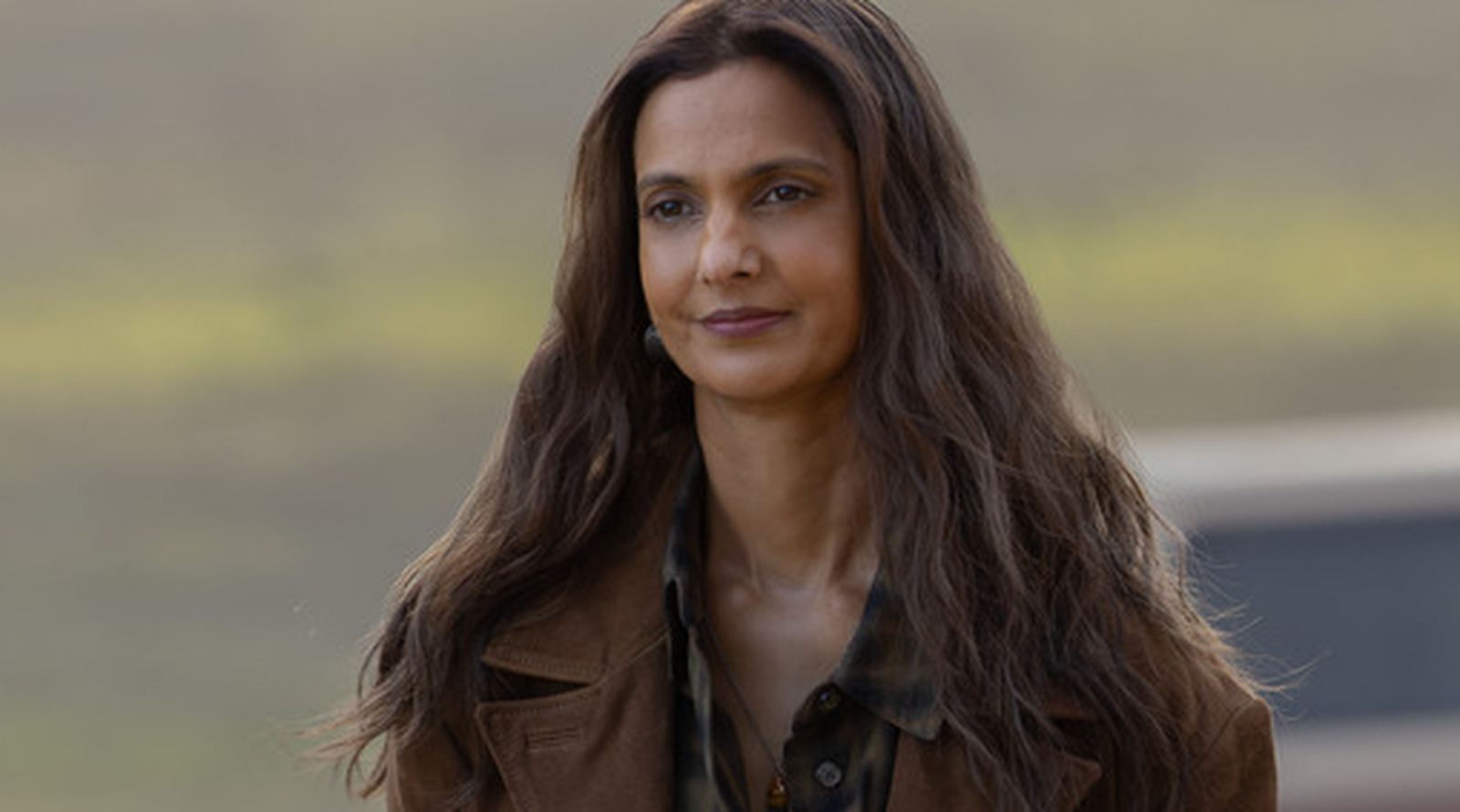
Confirmed Death of Zoe in Lanterns Episode 5: Insights from Poorna Jagannathan
The latest episode of Lanterns sees a significant character death. Poorna Jagannathan discusses the implications of Zoe's demise.
Several stars of the classic sitcom 'Happy Days' filed a lawsuit against CBS regarding unpaid merchandising royalties, leading to an out-of-court settlement.
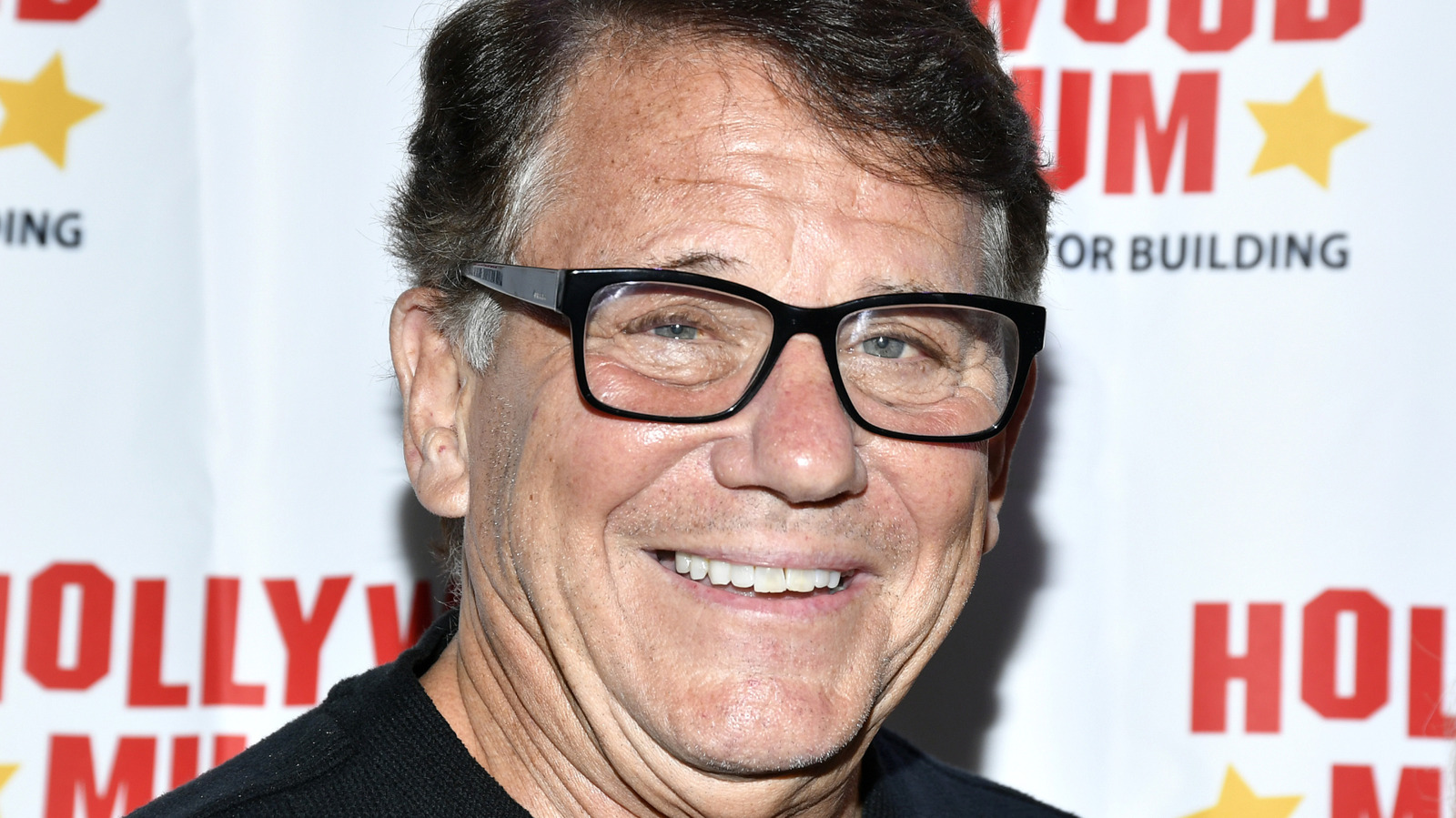
In 2011, the stars of the beloved sitcom "Happy Days," including Anson Williams, Marion Ross, Don Most, Erin Moran, and Patricia Bosley, filed a lawsuit against CBS, claiming the network had not fulfilled its contractual obligations regarding merchandising royalties. This legal action emerged nearly 30 years after the series finale, highlighting ongoing concerns about profit-sharing related to the show’s extensive merchandising revenue.
The actors alleged that CBS Studios, which manages the distribution and merchandising rights for "Happy Days," had failed to pay them millions of dollars owed under their original contracts. Specifically, the lawsuit noted that the stars were entitled to 5% of net proceeds from merchandising that exclusively featured their likenesses and 2.5% when depicted as part of an ensemble.
The issue came to light after the cast discovered their images were being used on various merchandise items, including slot machines in casinos nationwide, without any remuneration being passed to them. According to CBS News, the lawsuit accused CBS of implementing a policy of “if you don’t ask, then we don’t pay,” which pointed to a deeper issue of transparency in the revenue-sharing agreements.
Following the lawsuit's filing, CBS Consumer Products publicly acknowledged that funds were owed to the actors and claimed to be working towards a resolution. By July 2012, both parties reached an out-of-court settlement, though the precise financial terms remained confidential. Reports suggested that each actor would receive between $60,000 and $65,000 in the settlement, a far lesser amount than the $10 million initially sought.
Despite the reduction in total compensation, the settlement included a commitment from CBS to uphold all contractual obligations going forward. CBS released a statement emphasizing their intention to ensure that future royalties would be paid as promised.
"Happy Days," which originally aired from 1974 to 1984, has remained an iconic part of American television history. With merchandise still popular today, the resolution of this lawsuit is a pivotal moment not just for the stars involved but also sets a precedent for how television contracts are honored in relation to ongoing merchandising revenues.
The legal battle underscores the importance of transparency in how royalties are handled, especially as nostalgic programming continues to have a robust market. It has raised awareness among actors about their rights in merchandising agreements, potentially leading to more scrutiny and demand for accountability from networks in the future.
The settlement between the "Happy Days" actors and CBS marks a critical moment in the legacy of the show, highlighting the ongoing relevance of fair compensation for artists. As networks increasingly utilize classic shows in various media forms, this legal outcome serves as a reminder of the importance of honoring contractual obligations to those who contributed to the success of such iconic series. The actors' victory may empower other artists facing similar issues, setting a benchmark for future negotiations in the entertainment industry.
Entertainment news
EpisodeBreakdown may use automated tools to assist research, drafting, and formatting. Published pages are governed by our editorial and corrections policies, and source links are shown when they are available in the article record.
Discovery source: TVLine. The source identifies where the topic was discovered; EpisodeBreakdown is responsible for the commentary published on this page.
Reader response
Reactions and poll results are based on real reader responses. No account is required.