Harlan Ellison's 1960s sci-fi episode 'Soldier' inspired a lawsuit against James Cameron's The Terminator, which was settled with Ellison receiving a credit. The legal dispute highlights the complex history of sci-fi storytelling and copyright in film.
Harlan Ellison's 'Soldier' Episode and The Terminator: How a 1960s Sci-Fi Story Led to a Major Lawsuit
ComicBook.com reports that Harlan Ellison, the acclaimed writer behind The City on the Edge of Forever for Star Trek, threatened a copyright lawsuit against James Cameron’s The Terminator due to similarities with his 1960s sci-fi story. The legal dispute, which occurred decades after the film’s release, ultimately led to Ellison receiving a credit on the movie’s later prints.
The lawsuit stemmed from Ellison’s claim that The Terminator borrowed heavily from his short story Soldier from Tomorrow (1957) and its adaptation into The Outer Limits episode Soldier (1964). Ellison argued that both stories featured time-traveling soldiers sent to the past to protect someone, though he acknowledged the differences in execution. The film’s creator, James Cameron, initially resisted the settlement but agreed to Ellison’s terms after legal pressure.
The Outer Limits Episode 'Soldier': A 1960s Sci-Fi Classic
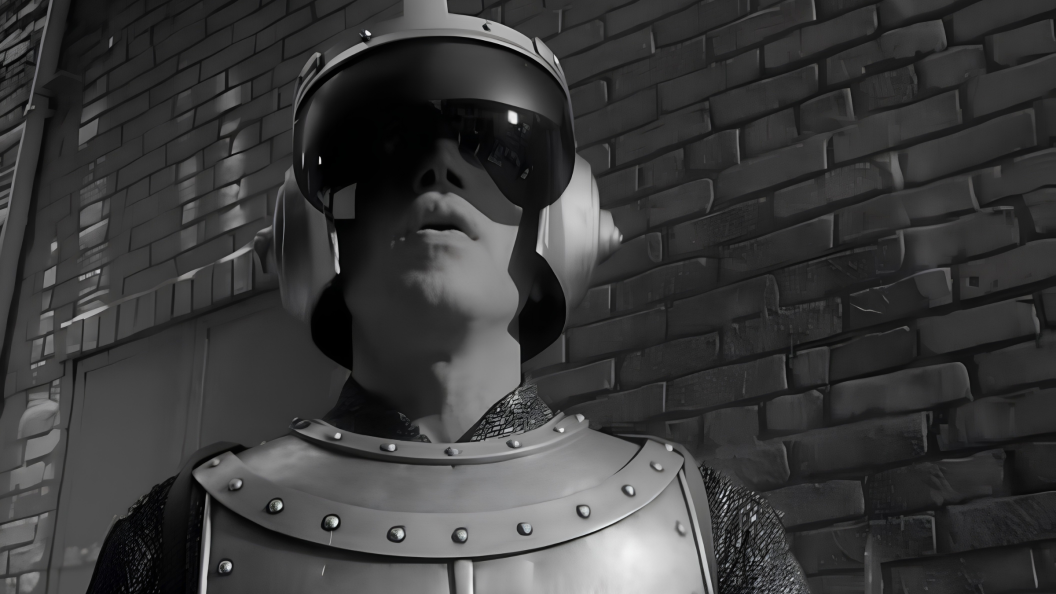
Ellison’s Soldier episode, which aired as the second season premiere of The Outer Limits in 1964, was a direct adaptation of his 1957 short story Soldier from Tomorrow. The original story, published in Fantastic Universe, followed a soldier from thousands of years in the future who was conditioned to kill enemies and time-traveled to the present day. There, he was 'civilized' by a philologist named Tom Kagan, who helped him adapt to modern society.
In the episode, two soldiers from 1,800 years in the future were struck by an energy weapon. One became trapped in time limbo, while the other arrived in 1964. The soldier, Qarlo, was trained to kill but was found by Tom Kagan, who worked to 'tame' him. However, when the second soldier materialized, he hunted down Qarlo, leading to their mutual destruction. The episode raised philosophical questions about whether Qarlo had been sufficiently 'tamed' to protect Tom’s family or if his programming was too strong.
The Terminator: A Different Time-Travel Story
The Terminator (1984), directed by James Cameron, follows Kyle Reese, a soldier from the future sent back to 1984 to protect Sarah Connor from a Terminator assassin. Unlike Qarlo, Kyle was specifically tasked with stopping the Terminator, and Sarah Connor did not require him to be 'tamed'—his mission was clear and singular.
Ellison noted that while Soldier and The Terminator shared the time-travel element, the stories diverged significantly in their execution. Qarlo was accidentally sent back and had to adapt to modern society, whereas Kyle was deliberately sent to protect a specific person. Neither soldier in Soldier was sent to kill the philologist or his family, a key distinction Cameron later emphasized.
The Lawsuit and Its Resolution
Ellison’s lawsuit against Orion Pictures (the studio behind The Terminator) was settled in a confidential agreement. Orion agreed to pay an undisclosed sum and add Ellison’s name to the film’s credits in later prints. Cameron, who initially opposed the settlement, was told he would have to pay damages if the lawsuit went to trial. He later admitted he had no choice and was given a gag order to avoid discussing the lawsuit publicly.
The settlement was part of a pattern of Ellison’s legal actions. He also threatened to sue Marvel Comics over The Incredible Hulk #286 (1975), where Bill Mantlo adapted his story without permission. This led to a settlement involving a credit correction and a lifetime subscription to Marvel publications.
Why This Matters for Sci-Fi Storytelling
The Soldier vs. The Terminator case underscores the complex history of sci-fi storytelling and copyright in film. Ellison’s influence on Star Trek and The Outer Limits helped shape the genre, and his legal actions highlight the challenges creators face when adapting stories across decades.
The lawsuit also reveals how early sci-fi stories, like Soldier, influenced later films without direct acknowledgment. While The Terminator was a groundbreaking time-travel story, its roots in 1960s sci-fi literature and television show The Outer Limits demonstrate the interconnectedness of storytelling across eras.
This case remains a cautionary tale for filmmakers and writers, emphasizing the importance of understanding the historical context of their work and the potential legal implications of borrowing from past stories.
The Outer Limits Episode 'Soldier': A 1960s Sci-Fi ClassicThe Terminator: A Different Time-Travel StoryThe Lawsuit and Its ResolutionWhy This Matters for Sci-Fi Storytelling
EpisodeBreakdown may use automated tools to assist research, drafting, and formatting. Published pages are governed by our editorial and corrections policies, and source links are shown when they are available in the article record.
Discovery source:ComicBook.com. The source identifies where the topic was discovered; EpisodeBreakdown is responsible for the commentary published on this page.
Reader response
What did you think?
Be the first to react
Reactions and poll results are based on real reader responses. No account is required.
Continue the story
news
2013 Time-Travel Rom-Com 'About Time' Features Future MCU and DC Stars
A 2013 British time-travel romance film written and directed by Richard Curtis contains future Marvel and DC stars in minor roles, including Harley Quinn, Sue Storm, and Christine Palmer. The movie, now streaming on Netflix, has been overlooked for its casting connections to both universes.Read next →