Spider-Man: Brand New Day – A Box Office Phenomenon on the Horizon
Spider-Man: Brand New Day is poised for a blockbuster opening weekend, capturing themes of nostalgia and growth.
Many beloved moments from Harry Potter's books are lost in adaptation. Here's a deep dive into those unforgettable scenes.
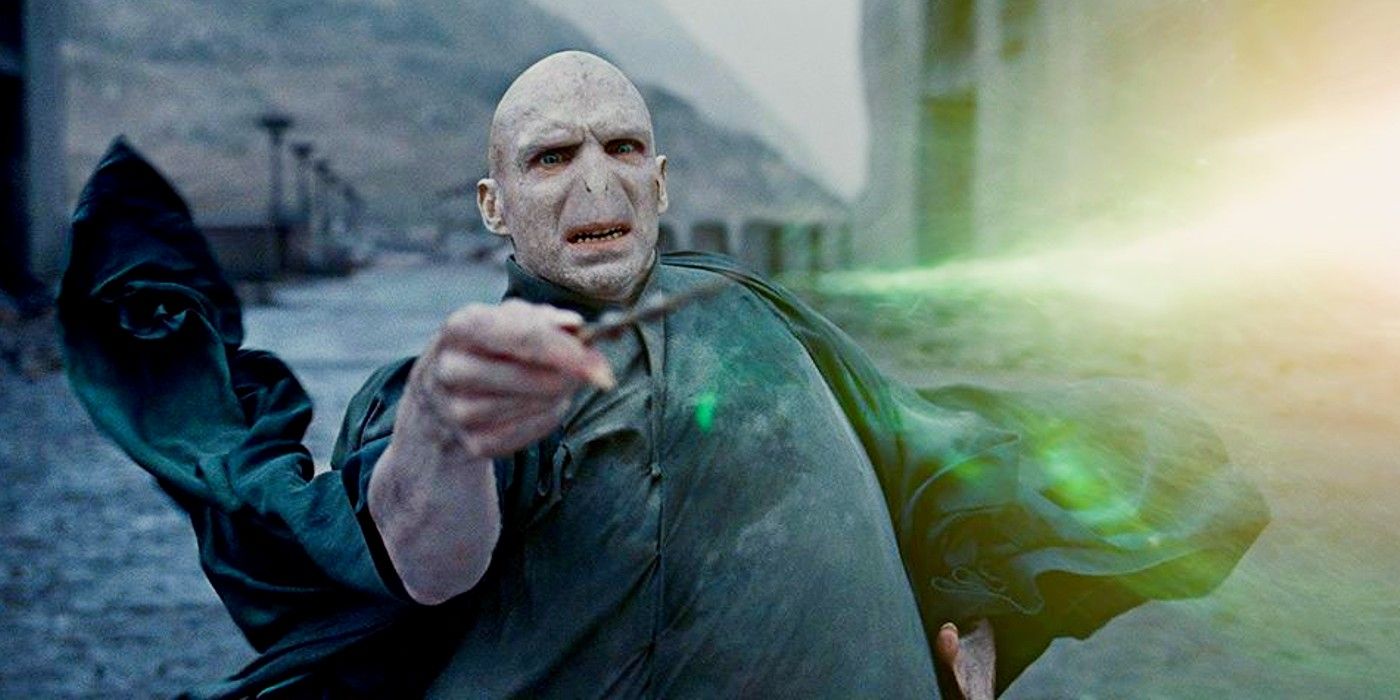
In simple terms, the beloved Harry Potter movies failed to capture some of the most impactful moments from the books. This oversight is particularly noticeable as we look back at the narratives crafted by J.K. Rowling, where intricate details and emotional depths were rich and layered in ways that didn’t translate as effectively to the screen. Central to this discussion is the question: What are the key moments from the Harry Potter books that the films could not do justice? The answer lies in crucial themes, characters, and plot elements that deserved a more nuanced approach.
A significant moment occurs when Voldemort casts the Avada Kedavra curse on Harry, sending him into a limbo-like state. In the book, this encounter takes place in a vivid representation of King’s Cross, where Harry converses with Dumbledore. This moment implies a profound existential crisis, offering Harry the choice between life and death. However, the film oversimplifies this experience by presenting a monochrome version of King’s Cross, stripping away the emotional and thematic richness.
Here is what is confirmed: Harry's mental state and the ambiguous nature of his experience are less clearly articulated in the film, making it difficult for audiences to grasp the depth of his predicament. The visualization of limbo and the philosophical undertones are obscured, ultimately diluting a pivotal character moment that reveals Harry’s resilience and longing for connection.
Another key moment is the Battle of Hogwarts, a climactic event representing the convergence of all the magical community’s struggles against Voldemort. The books present an intricate tapestry of action, filled with various magical creatures, powerful spells, and devastating losses. While the film captures the essence of an epic battle, it lacks the comprehensive detail and emotional weight necessary to convey the full spectrum of experiences described in the books.
Confirmed events showcase epic duels alongside heart-wrenching losses, but the film's constraints lead to a sense of incompleteness, missing details that would have enriched the narrative. The losses, such as beloved characters falling in battle, are glossed over, failing to evoke the same level of grief and anger as portrayed in Rowling’s writing.
Fred and George Weasley's departure from Hogwarts, where they create a swamp as a rebellious act, is another moment that highlights creativity and character development. In the books, this scene serves not only as a showcase of their magical prowess but also illustrates broader implications for student rebellion. The films, however, combine various scenes, stripping away the unique elements that made their defiance so memorable and impactful.
While the Weasleys’ antics embody a spirit of creativity and rebellion, the film adaptation fails to capture how the entire student body reacts and engages with the twins' escapade. The awesomeness of their legacy and the school’s response to their innovations are moments that needed amplification, an absence keenly felt by fans of the series.
Furthermore, the lack of St. Mungo’s Hospital for Magical Maladies and Injuries offers another glaring omission. This location is pivotal in showcasing the wizarding world's unique medical practices and provides a deeper understanding of characters, especially Neville Longbottom, who visits his parents. The film’s exclusion of such a rich setting prevents audiences from fully engaging with the complexities of the magical world.
The confirmed reality is that St. Mungo’s serves as a narrative device that deepens character backgrounds and adds layers to the lore. Its absence can detract from meaningful character arc developments, leaving viewers with a more superficial grasp of crucial backstories.
When Sirius Black dies, it is one of the series' most heart-wrenching moments. In the book, his demise through the Veil in the Death Chamber carries an overwhelming sense of shock and confusion that is pivotal for Harry's character development. This moment showcases Harry's denial, as he believes Sirius will return from beyond. However, the film presents a more definitive death scene, which takes away that crucial layer of uncertainty and emotional depth.
The differences are significant; confirmed events highlight the nuances that make the book's portrayal far more impactful. Harry’s grappling with his loss, coupled with the uncertainty of Sirius's fate, creates a tension that resonates much deeper than the film adaptation allows.
In Harry Potter and the Goblet of Fire, the Quidditch World Cup becomes a vibrant tapestry of global wizarding culture, filled with tents that are larger than life and a stadium brimming with excitement. The film, however, does not capture the extravagance and detail described in the book. Fans noted that the magical displays and the atmosphere lacked the stunning visual richness that made the event a spectacle.
In this case, the confirmed depictions of locations and various characters do not translate to the same emotional and visual saturation onscreen. The missed opportunity to fully explore the World Cup demonstrates a significant gap between Rowling’s intricate world-building and the film's simplified versions.
The scene involving Dumbledore's death in Harry Potter and the Half-Blood Prince illustrates another area where the films fall short. Paralyzed under the Invisibility Cloak, Harry is forced to confront the helplessness of witnessing Dumbledore's demise at the hands of Death Eaters. The film adaptation deviates from portraying Harry's internal turmoil, rendering the moment less impactful.
Confirmed events show the difference in Harry's psychological experience between the two formats, as the book's stream of consciousness offers a deep dive into his thoughts, fear, and grief. This subtlety is lost in a more cinematic interpretation.
In reflection, the Harry Potter films successfully brought to life many iconic moments but ultimately struggled with the intricacies and emotional depth found within J.K. Rowling’s original texts. Each exclusion or alteration often detracted from the richness of the narrative, leaving gaps that resonate with readers who hold the books dear. As discussions emerge about potential adaptations, such as the anticipated HBO series, fans continue to hope that the future offers a chance for these stories to be explored with the depth they deserve.
The adaptations of beloved stories often spark discussions about fidelity to source material. The Harry Potter series, while cherished, serves as an example of how crucial moments can be lost in translation. Understanding the significance of these omissions not only enriches the fandom’s experience but also highlights the challenges faced by filmmakers when translating intricate narrative styles into visual mediums. As fans look forward to new interpretations, these conversations deepen appreciation for the original work’s complexity and power.
Movie explanation
EpisodeBreakdown may use automated tools to assist research, drafting, and formatting. Published pages are governed by our editorial and corrections policies, and source links are shown when they are available in the article record.
Discovery source: CBR Movies. The source identifies where the topic was discovered; EpisodeBreakdown is responsible for the commentary published on this page.
Reader response
Reactions and poll results are based on real reader responses. No account is required.