test
asdasd
Discover how 'The Undoing' became a shining example of slow-burn storytelling in modern television.
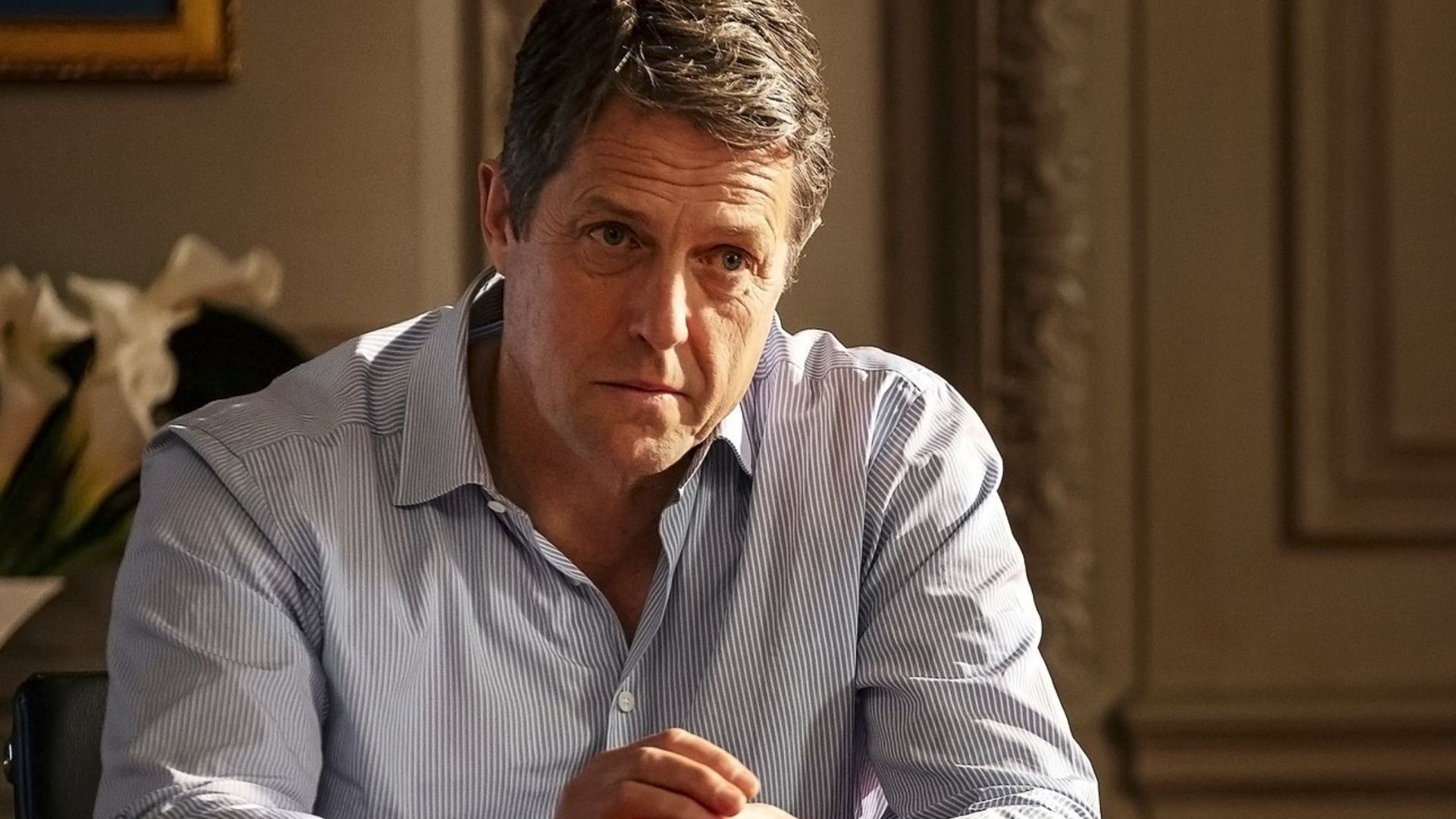
In simple terms, HBO's 'The Undoing' is a hallmark of slow-burn storytelling in recent television. This gripping miniseries, featuring stellar performances from Hugh Grant and Nicole Kidman, captivates audiences with its meticulous unraveling of secrets, presenting a layered narrative that keeps viewers deeply engaged without rushing to resolve its central mystery.
What happened is that 'The Undoing' has not only maintained its status as a quintessential slow-burn thriller since its release in 2020, but it also exemplifies HBO's prowess in producing compelling miniseries. As we delve into what makes this show resonate, we’ll explore its narrative structure, character developments, and the themes that contribute to its enduring appeal.
'The Undoing' centers on Grace and Jonathan Fraser, a seemingly perfect couple whose lives are thrown into chaos when a murder investigation involves them. The story unfolds slowly, allowing viewers to absorb the characters' complexities and question their motives. The pacing is deliberate, with each episode revealing critical flashbacks and subtleties, ultimately leading to a suspenseful climax.
Unlike traditional thrillers that often rely on quick resolutions and excessive exposition, this miniseries nurtures an environment of uncertainty and heightened tension. The show invites viewers to piece together the truth, resulting in an immersive viewing experience that demands active engagement.
At the core of 'The Undoing' are Hugh Grant’s portrayal of Jonathan, an oncologist, and Nicole Kidman’s depiction of Grace, a therapist. Their performances deliver a raw authenticity that allows audiences to feel the full spectrum of their emotional turmoil as the narrative unfolds. Each character— from Grace’s wealthy father Franklin, played by Donald Sutherland, to her supportive friend Sylvia, portrayed by Lily Rabe—plays a pivotal role in this intricate tale of deception.
This complexity adds layers to the storytelling. As secrets are revealed, the relationship dynamics expose vulnerabilities, creating palpable tension that heightens the story’s stakes. The miniseries deftly explores the fragility of trust and love, compelling viewers to reassess their perceptions of the characters' innocence or guilt.
Based on Jean Hanff Korelitz's bestseller 'You Should Have Known,' the adaptation benefits significantly from its literary foundation. David E. Kelley, known for other successful adaptations like 'Big Little Lies,' carefully crafted the screenplay, ensuring the essence of the original narrative remained intact while bringing a unique visual and dramatic flair to HBO.
Korelitz's original themes of privilege, illusion, and the façades people maintain in relationships resonate throughout the miniseries. This alignment between the book and the show underscores the efficacy of slow-burn storytelling, as audiences often draw parallels between their interpretations and the unfolding drama.
In a landscape where binge-worthy content is the norm, 'The Undoing' stands out as a deliberate slow-burn thriller that remains effective six years post-release. The pacing allows for an evolving narrative that keeps viewers guessing, maintaining a firm grip on audience engagement through suspense and emotional depth. Consequently, many consider this miniseries not just a story, but an experience to be dissected and discussed long after the credits roll.
Much like other celebrated slow-burn series such as 'Mare of Easttown' and 'Sharp Objects,' 'The Undoing' raises questions around morality, fidelity, and the essence of truth. For those intrigued by such themes in television, it is essential viewing.
While 'The Undoing' is widely regarded as a success, certain aspects invite further discussion. Viewers continuously debate the motivations of Jonathan Fraser and the complexities of Grace's character. Was she naive, or had she chosen to ignore the warning signs? These unresolved questions contribute to its enduring relevance in discussions of slow-burn narratives in TV history.
Additionally, adaptations of Korelitz's works continue, hinting at the possibility of future miniseries exploring similar themes. With another adaptation, 'The Plot,' reportedly in development, enthusiasts of slow-burn storytelling have much to look forward to in terms of nuanced character dramas.
Ultimately, 'The Undoing' represents a high watermark for slow-burn storytelling in the thriller genre. Its ability to keep audiences engaged without rushing to resolve the central mystery speaks volumes about the artistry in storytelling. As long as narratives like 'The Undoing' continue to populate the streaming landscape, it seems the slow-burn thriller will remain a cherished format among viewers.
For further insights into similar shows, check out our explorations of Viola Davis in Ascent and Taylor Sheridan's Season 3 action thriller. There is an abundance of high-quality television waiting to be discovered, crafted with the same careful precision as 'The Undoing.'
Story breakdown
EpisodeBreakdown may use automated tools to assist research, drafting, and formatting. Published pages are governed by our editorial and corrections policies, and source links are shown when they are available in the article record.
Discovery source: CBR TV. The source identifies where the topic was discovered; EpisodeBreakdown is responsible for the commentary published on this page.
Reader response
Reactions and poll results are based on real reader responses. No account is required.