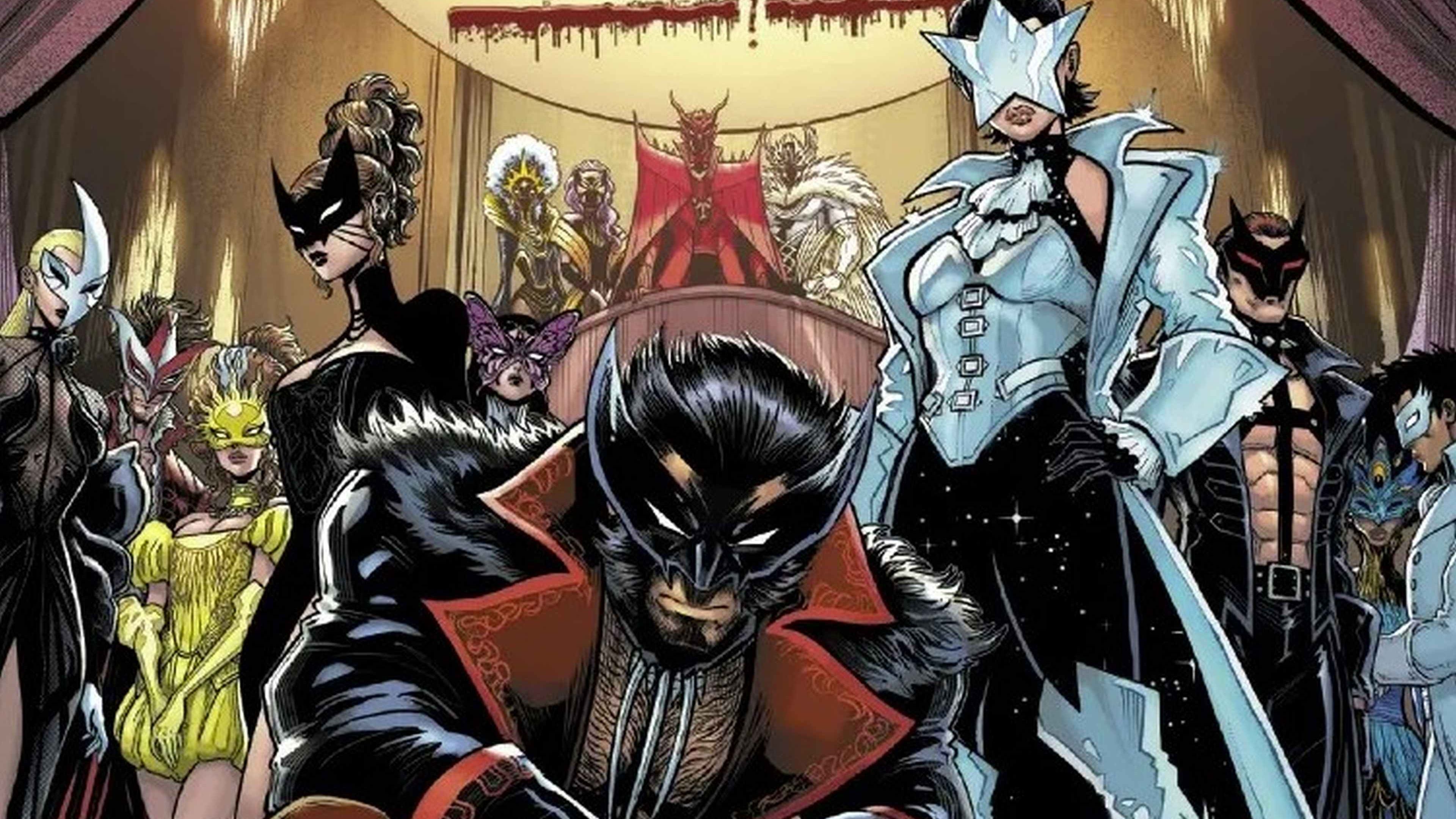
Major Character Death in Marvel's X-Men: The Hellfire Murder
The death of Sebastian Shaw marks a significant shift in Marvel's X-Men storylines.
HBO's flagship series Westworld is experiencing a resurgence ahead of a much-anticipated remake. Explore the show's core elements and what might unfold next.

With HBO gearing up for a highly-anticipated remake of its critically acclaimed series, Westworld, there has never been a better time to dive back into this sci-fi phenomenon. Originally airing as HBO's flagship show following the cultural juggernaut Game of Thrones, Westworld not only reinvented the sci-fi genre but also captured the imaginations of viewers worldwide. With its unique blend of themes and visually stunning storytelling, the show is positioned as the ultimate binge watch before the new version hits the screens.
HBO's Westworld has steadily climbed back into the spotlight, experiencing a significant surge in streaming demand. As fans eagerly await the upcoming remake slated for release in May 2026, there’s no shortage of interest in exploring the terrain of this ambitious narrative. The original, which captivates audiences with its blend of Western and futuristic sci-fi elements, remains a touchstone in television history.
At its core, Westworld is set in a futuristic amusement park where guests can experience life in a Wild West panorama, populated by android hosts programmed to serve their every desire. However, this world is not merely a playground; it serves as a moral crucible that examines the nature of consciousness, free will, and what it truly means to be human. The series offers multiple layers of storytelling, often blurring the lines between reality and fiction, offering a rich tapestry through its episodic structure.
From the park's opening scenes, viewers are introduced to the various attractions and the intricate programming behind the hosts, especially focusing on characters like Dolores Abernathy and Teddy Flood. The nuances of each character's journey highlight a philosophical debate on artificial intelligence—what happens when beings built to cater to human whims achieve self-awareness?
This exploration of ethics within technology is interwoven with various human narratives, as guests grapple with their desires and subsequent disillusionment. The park's intricate design and the psychological implications of its existence form the backbone of the series, which encourages viewers to question their realities.
These characters serve as conduits for exploring deeper moral questions about consciousness and free will, as well as the philosophical implications of creating artificial life.
Based on available public metadata, the end of Westworld leaves viewers with more questions than answers, delving deep into the consequences of its characters' actions. As the narrative progresses, the lines between creator and creation blur, leading to shocking revelations that not only affect the characters but also resonate with the audience's understanding of technological growth and ethical responsibility. The show layers these elements in a compelling structure, blending intense drama with thought-provoking dilemmas, culminated in twists that have left audiences reflecting on the nature of reality for weeks.
As excitement brews for the remake slated for May 2026, the possibilities seem limitless. Given the critical acclaim and attention received by Westworld, the new adaptation may delve deeper into themes of AI and humanity, amplifying the intricate dynamics established in the original. Viewers could potentially see a reimagined exploration of character backstories, or alternate narratives that flip expectations on their head. Additionally, advances in filmmaking technology may further enhance the stunning visuals that the series is known for.
The upcoming remake could serve to introduce new audiences to the world of Westworld while providing dedicated fans with fresh perspectives on beloved characters. This dual approach could strengthen the bridge between the two iterations of the story.
The renewed interest in Westworld speaks volumes about its impact on pop culture and its relevance to current debates around AI and technology. Social media buzz, along with articles focusing on the philosophical implications of the show, have contributed to its resurgence in popularity. Many fans are revisiting the series in anticipation of exploring how the remake will handle these iconic narratives. Furthermore, the ongoing conversations about morality in technology, sparked by recent advances in AI, make the original series even more pertinent.
HBO's Westworld offers a compelling lens through which to explore difficult questions about consciousness and humanity, while also providing a thrilling viewing experience. With its upcoming remake on the horizon, now is the ideal time for both new viewers and long-time fans to re-engage with this seminal series. Whether you're a seasoned veteran or a newcomer, Westworld stands as a rich narrative ready to be explored, making it the perfect binge before the new show lands.
As the anticipation builds, it will be interesting to see how the themes of the original blend with innovative storytelling in the forthcoming remake. In the ever-evolving landscape of sci-fi drama, Westworld remains an essential watch, now more than ever.
Entertainment news
EpisodeBreakdown may use automated tools to assist research, drafting, and formatting. Published pages are governed by our editorial and corrections policies, and source links are shown when they are available in the article record.
Discovery source: Collider. The source identifies where the topic was discovered; EpisodeBreakdown is responsible for the commentary published on this page.
Reader response
Reactions and poll results are based on real reader responses. No account is required.