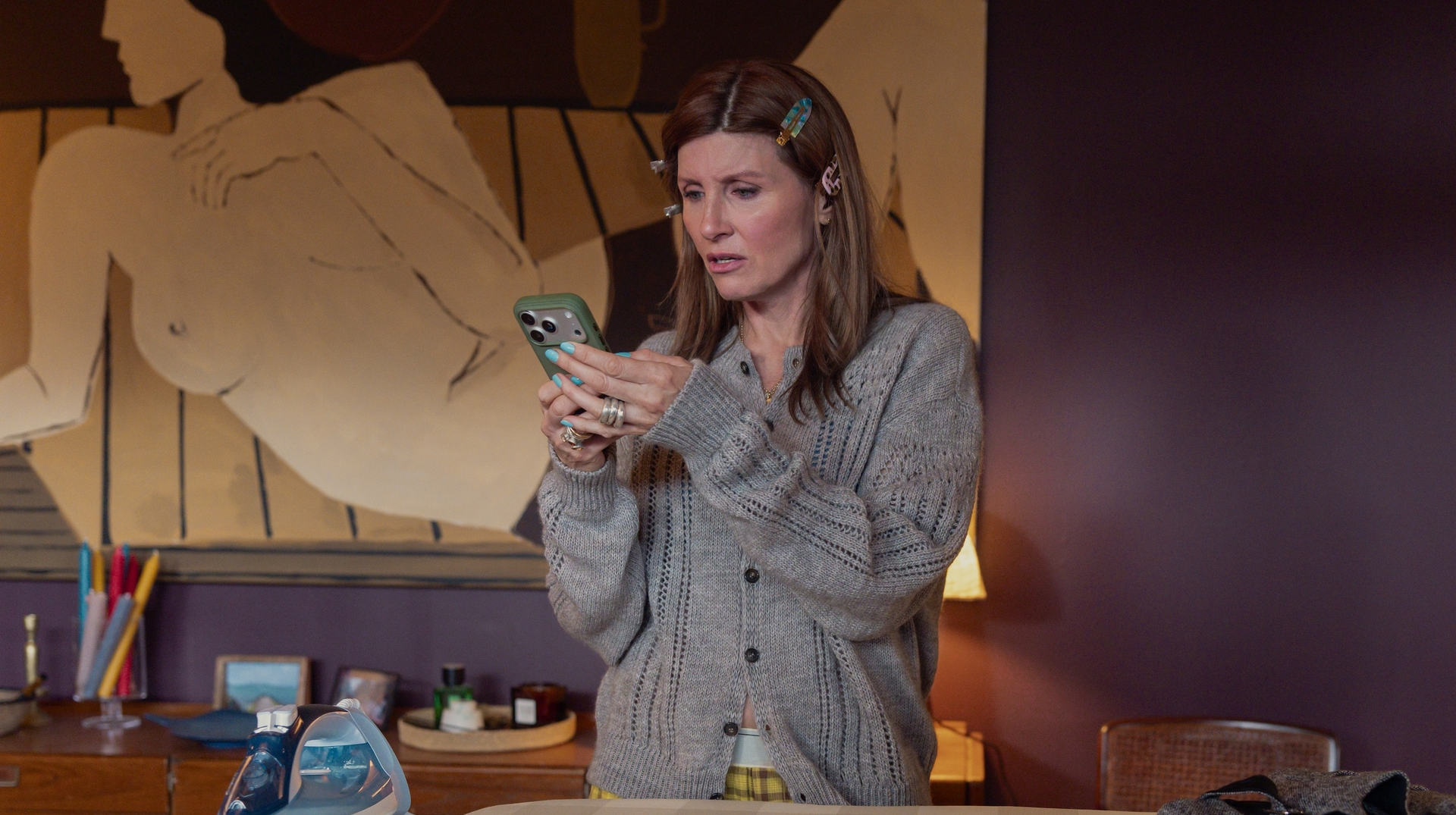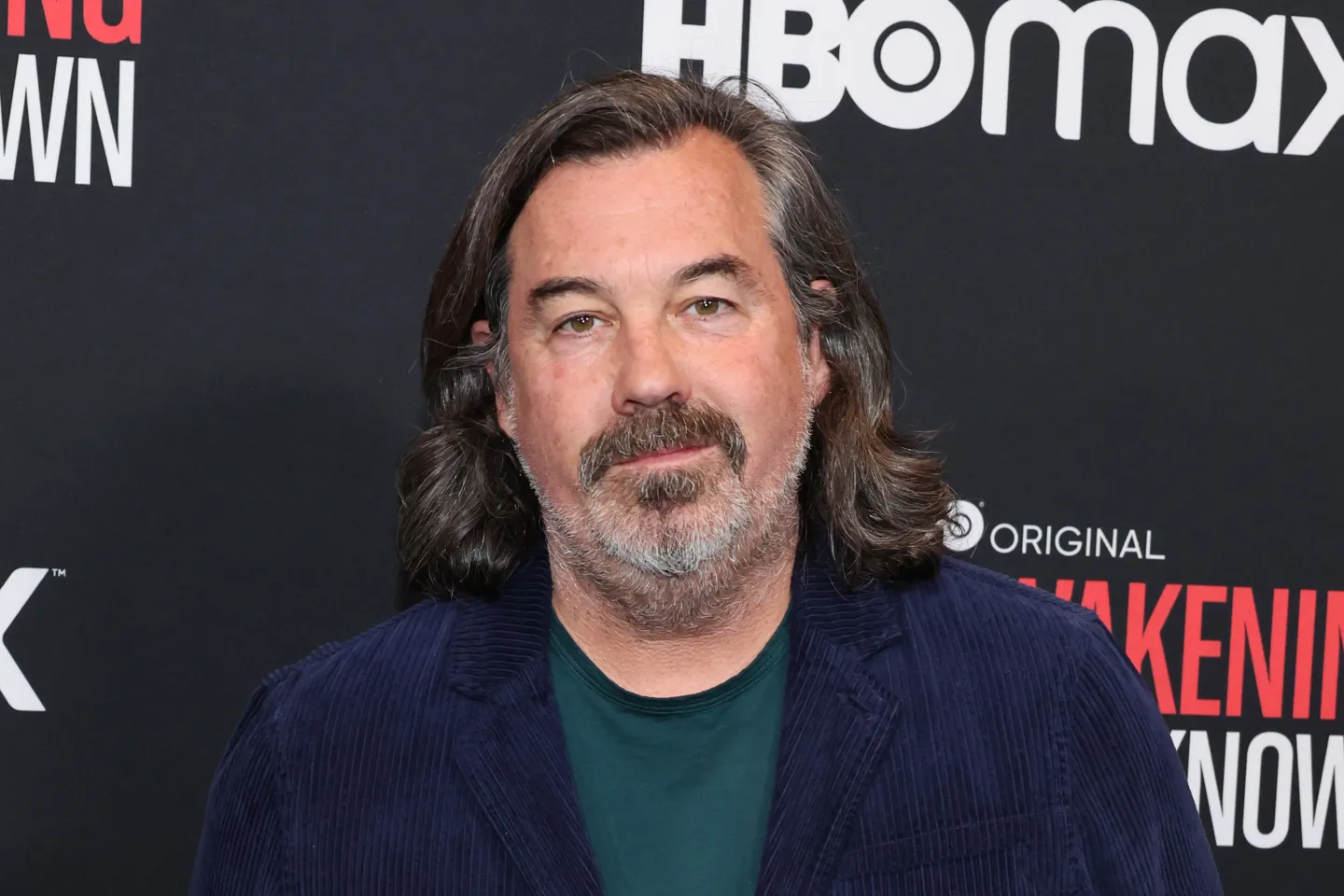
‘The Traitors’ Season 5 Cast Announced with Star-Studded Lineup
Peacock reveals the exciting cast for Season 5 of ‘The Traitors’, including Kristin Chenoweth and more, set to debut in 2027.
Key Hollywood executives, including Netflix's Ted Sarandos and Universal's Donna Langley, have lobbied Congress for a federal film and television tax credit.
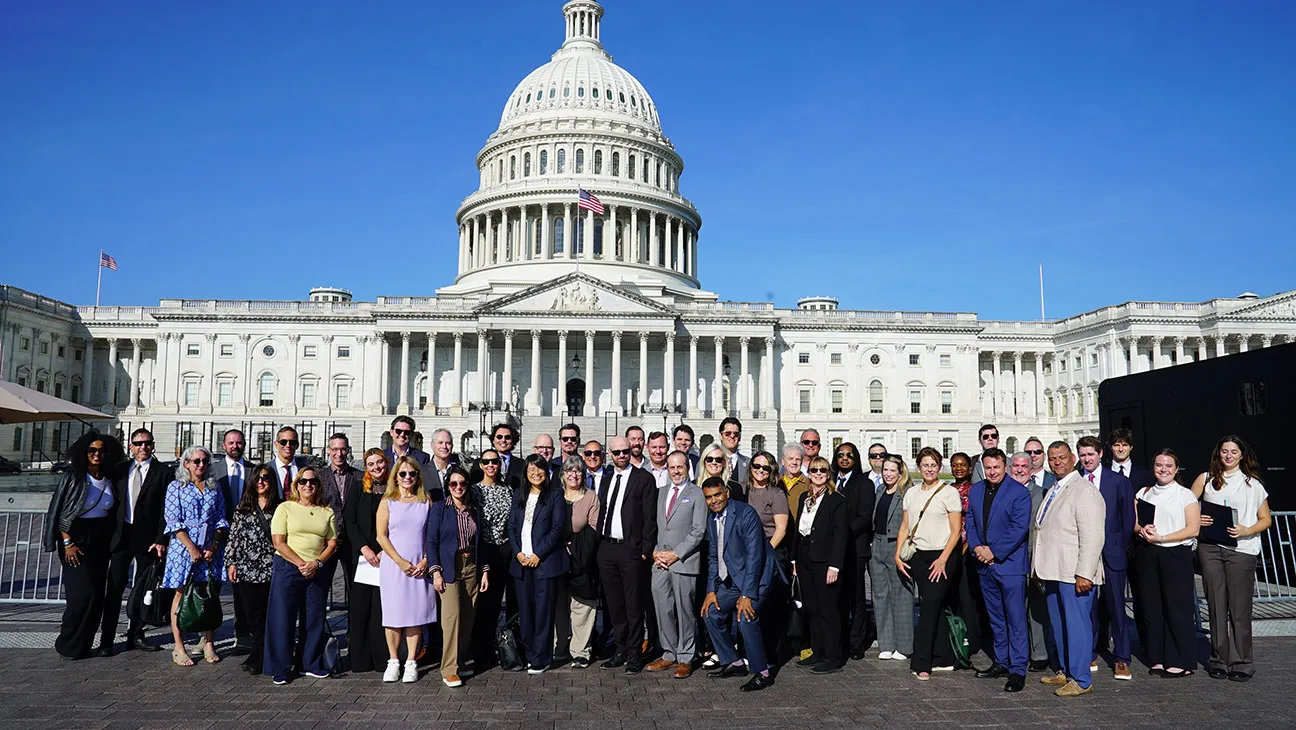
On September 17, 2026, prominent figures from Hollywood, including Netflix's co-CEO Ted Sarandos and NBCUniversal's chair Donna Langley, visited Washington D.C. to advocate for a federal film and television tax credit. This initiative aims to support domestic production and seeks Congressional approval for fiscal incentives this year.
According to a report from The Hollywood Reporter, the lobbying effort was part of a coordinated strategy by Hollywood executives and industry advocates to push forward legislation that has gained momentum following supportive statements from former President Donald Trump.
The primary aim of this proposed tax credit is to foster economic growth in the film and television sectors, which stakeholders argue could yield significant job creation and revenue. During their visit, executives joined with other lobbying groups, including the Coalition for American Production (CAP), who highlighted the potential for the tax credit to generate up to $250 billion in total gross value and support approximately 143,500 full-time jobs annually.
CAP executive director Brian Papworth emphasized the urgency of securing this legislative measure before the upcoming midterm elections, indicating potential challenges in maintaining momentum afterward. “There’s an opportunity and there’s still a roadmap to be able to get this done this year,” Papworth remarked during the event.
Among those leading the charge alongside Sarandos and Langley was SAG-AFTRA president Sean Astin. The presence of such high-profile industry leaders underscores the collective interest in this tax initiative, with representatives making a concerted effort to appeal to both sides of the aisle in Congress.
Interactions with various lawmakers demonstrated a predominantly positive reception. Bipartisan backing was reinforced through the recent formation of a film and television production caucus, which includes members from both political parties advocating for incentives that bolster local production initiatives.
Stakeholders from around the country participated in the lobbying efforts, each sharing personal testimonials on how the proposed tax credit could directly benefit their communities. Rachel Cannon, a studio founder from Oklahoma, articulated the interconnectedness of the industry, asserting that without incentives, many regional studios would struggle to survive.
Several lawmakers have expressed enthusiasm about the initiative, with feedback indicating a mix of skepticism and openness. At least one previously doubtful lawmaker reportedly gained a clearer understanding of the initiative's potential to benefit not just Hollywood but also workers across the U.S., from those making props to catering staff on sets.
Despite the positivity surrounding these lobbying efforts, critical questions remain regarding the specific details of the tax credit, including its overall cost and who will benefit most prominently. Key stakeholders are expected to continue engaging in discussions that will shape the legislative language of the proposed credit.
Industry insiders caution that distractions from midterm elections could halt momentum leading up to crucial decisions on budgetary priorities. However, there is hope that the interest generated during this lobbying campaign will lay a strong foundation for future discussions around federal production incentives.
The lobbying by Hollywood power players signifies a pivotal moment in the ongoing conversation about domestic production support and the broader implications for the film and television industry. As lawmakers return to their home districts after the lobbying day, the next phase of this initiative will depend on continued advocacy and the ability to unify support among diverse stakeholders. How effectively these efforts translate into legislative action remains to be seen, but the foundation has been laid for discussions that could significantly influence the future landscape of the entertainment industry in the United States.
Entertainment news
EpisodeBreakdown may use automated tools to assist research, drafting, and formatting. Published pages are governed by our editorial and corrections policies, and source links are shown when they are available in the article record.
Discovery source: The Hollywood Reporter. The source identifies where the topic was discovered; EpisodeBreakdown is responsible for the commentary published on this page.
Reader response
Reactions and poll results are based on real reader responses. No account is required.