test
asdasd
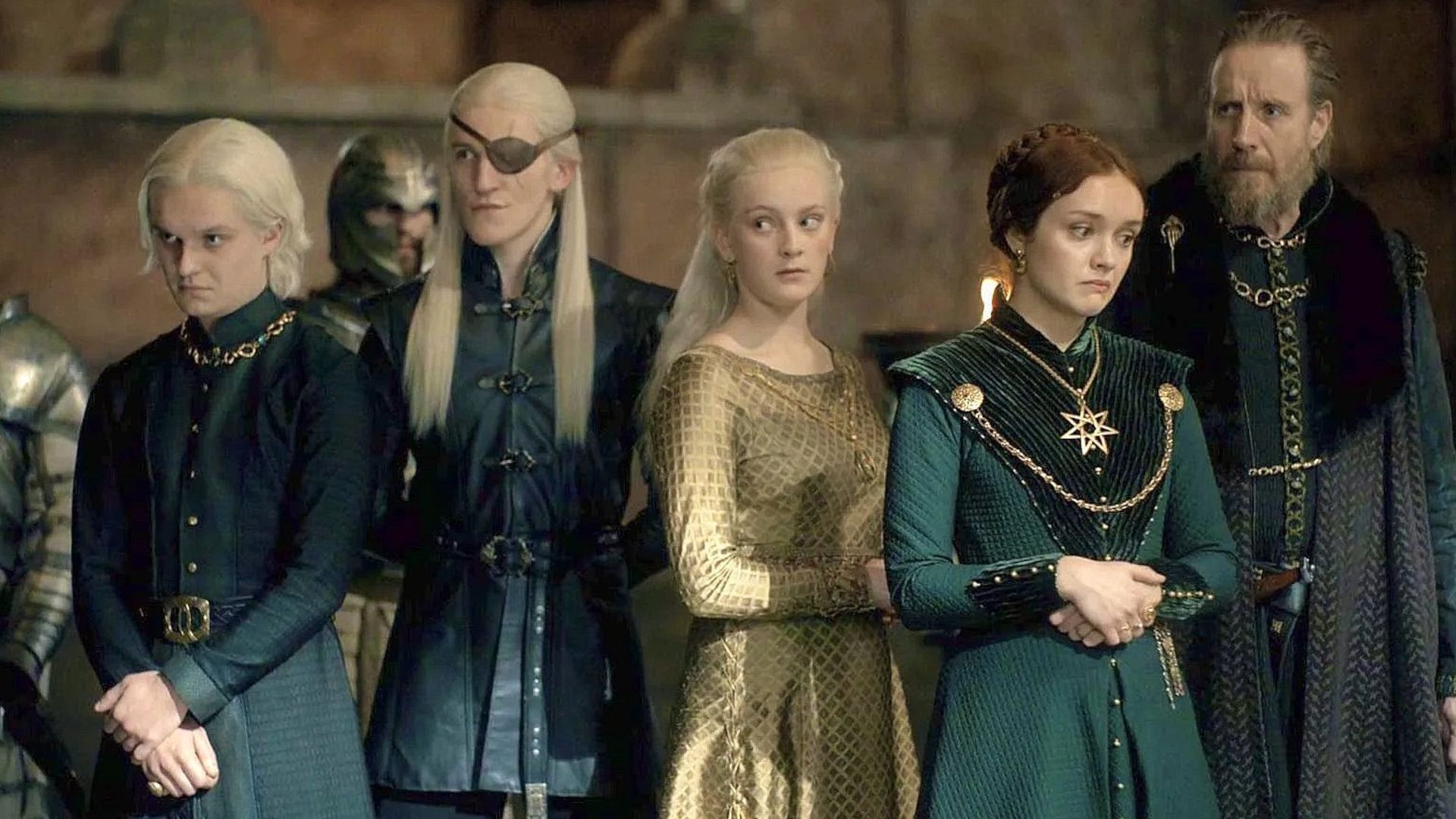
Explore the confirmed and potential fates of major characters in 'House of the Dragon' as the series nears its conclusion.
Explore the franchise
In simple terms, as 'House of the Dragon' approaches its climax, the fates of its main characters are intertwined with the themes of betrayal, loss, and the relentless pursuit of power. The series illustrates a Targaryen civil war known as the Dance of the Dragons, leading to tragic ends for many prominent characters, albeit with some unexpected survivors.
What happened is that major battles and personal conflicts culminate in a series of decisions that drastically reshape the character landscape as per George R.R. Martin's source material, Fire & Blood. Here’s a breakdown of the final sequence and character motivations that frame the ending.
Rhaenyra’s fate is tragic yet significant. After her turbulent rise to the throne and unending conflicts, she ends up fleeing King’s Landing. When captured by Aegon II, she is eventually fed to his dragon, Sunfyre. This act symbolizes the culmination of the brutal conflict that pits family against family, sealing Rhaenyra’s tragic end.
Contrasting Rhaenyra's downfall, Alicent survives but suffers her own kind of tragedy. After witnessing the destruction of her family, she becomes increasingly bitter and is ultimately imprisoned after Rhaenyra’s forces reclaim King's Landing. Her imprisonment hints at the cyclical nature of power in Westeros and the painful costs of war.
Aegon II’s return to power is short-lived as he is ultimately poisoned amidst the chaos of civil war. His arc reflects the transient nature of kingship in the brutal landscape of the Targaryen legacy. The circumstances leading to his demise underscore the chaos that rules King's Landing during this period.
Daemon’s death comes during an epic clash against Aemond in the skies above Gods Eye Lake. Engaged in a fierce battle with both dragons and rival Targaryen forces, his demise symbolizes the grim reality of warfare. He is last seen clashing with Aemond as both dragons plummet to the earth.
Larys Strong's loyalty is not to the Targaryens but to his own schemes. While he survives longer than Rhaenyra and Aegon II, his ultimate fate involves being implicated in Aegon II's assassination. His fate reflects the deep currents of betrayal and intrigue that characterize the entire series.
Mysaria’s end exemplifies the personal costs of the civil war. Captured during the Riot of King's Landing, she meets a brutal fate similar to Cersei’s infamous walk of shame, though she tragically does not survive the humiliation. This fate emphasizes the harsh realities for those caught in the power struggles, often victims of their very political games.
As 'House of the Dragon' concludes its narrative, it emphasizes recurrent themes of betrayal and the costs of ambition. While Rhaenyra, Daemon, and others pay the ultimate price for their quests for power, characters like Alicent and Aegon II illustrate how the pursuit leads to personal ruin and a legacy tainted by regret. This is evident in Alicent’s descent into bitterness as she watches her family diminish due to the ongoing war.
Beyond what is confirmed, some interpretations of character arcs suggest deeper commentary on the nature of loyalty and the inevitable downfall of those who seek power without regard for the consequences. The series leaves room for speculation on the final fates of surviving characters, establishing a landscape that feels all too familiar within the Game of Thrones universe — one defined by shades of gray rather than clear heroes and villains.
Several questions loom as the series presses forward. Notably, the fate of Daeron Targaryen remains ambiguous; while he is believed dead, the circumstances surrounding his death are contested, leaving space for future narrative developments. Additionally, the show may diverge from the source material, particularly in how various characters meet their ends or survive beyond the events of the civil war.
As the final season approaches, fans are keenly aware of the potential for unexpected twists. With so many deaths likely in the Dance of the Dragons, the show might explore character arcs that differ from Martin's books. Characters like Rhaena and Baela hold potential for surprising resolutions given their adjusted roles in the show's narrative. It will be intriguing to see how far the series diverges and how it fits the intricate tapestry of allegiances, betrayals, and familial strife that characterizes the House of the Dragon.
In summary, the unfolding stories of Rhaenyra, Alicent, Aegon II, and other key characters encapsulate the essence of House of the Dragon: a portrayal of power’s fleeting nature amidst the backdrop of family loyalty and historical legacy. The forthcoming battles promise to reshape not just the characters' fates but will also conclude the epic saga that resonates with the tragic undercurrents of Westerosi politics.
Ending explanation
EpisodeBreakdown may use automated tools to assist research, drafting, and formatting. Published pages are governed by our editorial and corrections policies, and source links are shown when they are available in the article record.
Discovery source: MovieWeb. The source identifies where the topic was discovered; EpisodeBreakdown is responsible for the commentary published on this page.
Reader response
Reactions and poll results are based on real reader responses. No account is required.