test
asdasd
The season finale of 'House of the Dragon' reveals bitter truths and fractures among characters, particularly Rhaenyra and Helaena.
Explore the franchise
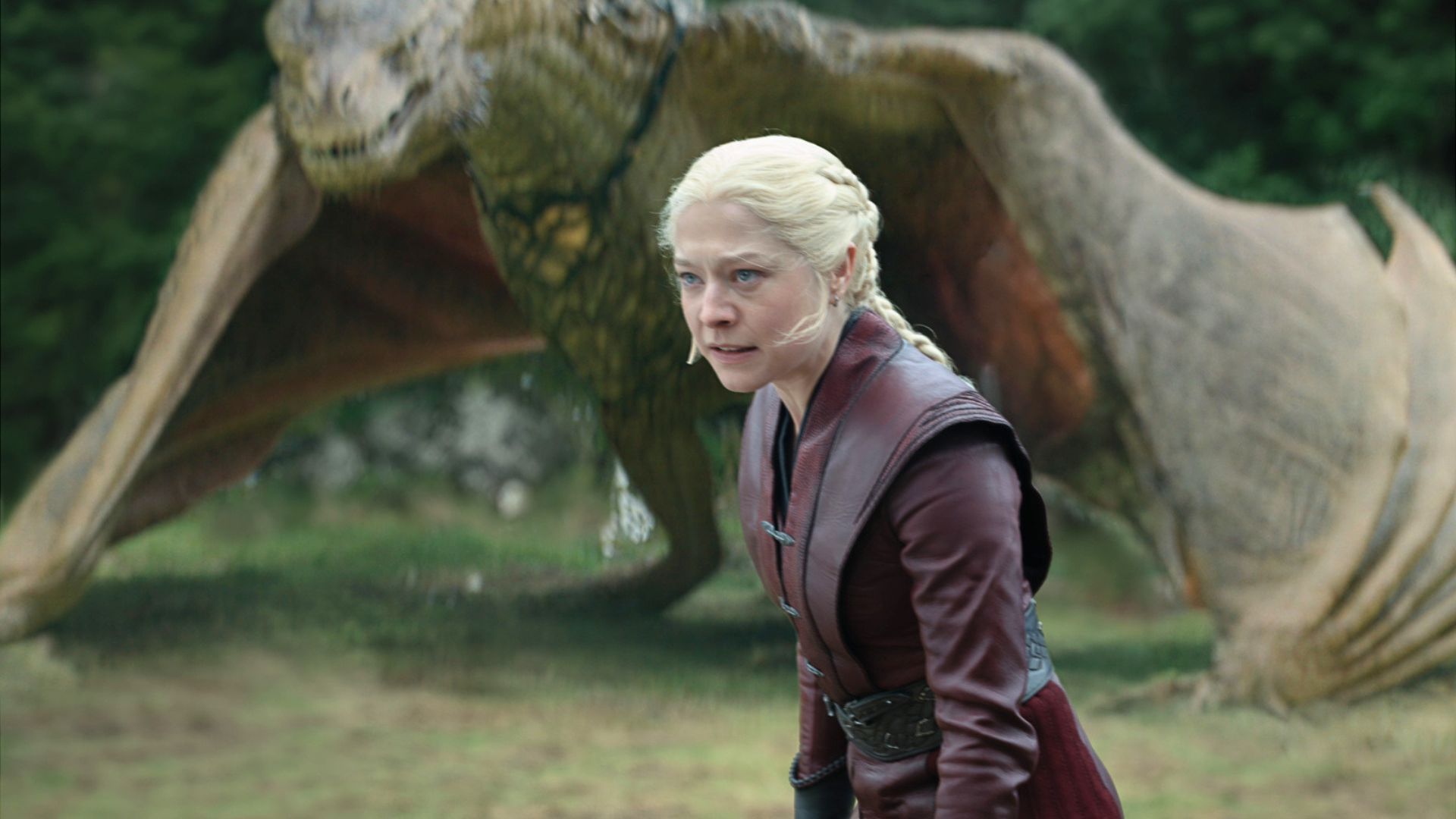
The finale of House of the Dragon Season 3 delivers a shocking and tragic conclusion regarding Helaena Targaryen. In a heartbreaking twist, Helaena takes her own life after enduring emotional turmoil and neglect from her half-sister Rhaenyra. This event not only deepens the rift between the Targaryens but also highlights the consequences of Rhaenyra’s ruthless actions in her quest for power.
What happened is Rhaenyra, consumed by her desire to hold onto her throne, dismisses her sister's distress. Helaena's tragic end symbolizes the collateral damage of the ongoing war, revealing the darker side of Rhaenyra's leadership and the impact of power struggles on personal relationships.
The final sequence carefully unravels the tension that has been building throughout the season. Rhaenyra’s descent into tyranny is starkly portrayed; she had previously promised to protect Helaena but fails to do so amidst her overwhelming ambition. After Rhaenyra pressures Helaena to share prophetic visions, it culminates in a moment where Helaena, feeling trapped and abandoned, confronts Rhaenyra. In a poignant exchange, Helaena declares that Rhaenyra's aspirations stand contrary to the love and support their father, Viserys, would have shown.
Shortly after, Rhaenyra's cruelty becomes evident; she force-feeds Helaena, illustrating how far she’s willing to go to maintain control. This harsh act propels Helaena to a breaking point, leading to her heartbreaking leap from the window, where she impales herself. Rhaenyra discovers her sister’s lifeless body soon after, abruptly closing the window—a chilling metaphor for her now-shuttered conscience.
Rhaenyra’s actions are integral to understanding the finale's emotional weight. Initially striving to be a ruler of the people, she devolves into a tyrant. Her decision to pressure Helaena and her absenteeism from the emotional needs of her family reflect a character who has lost sight of her own humanity in her quest for power. This transformation might alienate her remaining supporters and fuel further animosities.
In contrast, Helaena's decisions underscore her profound despair. As she stops eating and becomes increasingly isolated, her leap embodies a rejection of the power struggles surrounding her. It signifies a desperate act against the torturous situation she finds herself in, driven by her disillusionment with family and the expectations weighing down on her.
Alicent's impending return to King’s Landing introduces a new dynamic. Alerted to Helaena’s death, her perspective is crucial as she navigates her feelings toward Rhaenyra. Given her maternal bond and historical animosity with Rhaenyra, this incident may incite direct confrontations, setting the stage for future conflicts as the two women grapple with their positions in a crumbling royal order.
The confirmed meaning of Helaena's death aligns with George R.R. Martin's criticisms of the show’s departure from its source material. Martin's warnings illustrated the deeper emotional complexities of Helaena's character, ultimately culminating in a tragic ending that contrasts with the show's adaptation choices. The decision to have Helaena’s death result from overwhelming emotional despair—as opposed to being a potential murder—provides a stark reflection of the consequences of ambition and disregard for familial bonds.
However, the show’s interpretation leaves some narratives open to speculation, particularly Alicent's future actions and the fates of other characters introduced in Season 3. This ambiguity may ultimately lead to contrasting interpretations among fans and critics watching how the story unfolds in Season 4.
Several questions remain unanswered as we look ahead. Most notably, how will Alicent respond to Helaena’s death? Will she hold Rhaenyra accountable for her sister’s suicide, or will she strategize a plan to reclaim her children's positions of power? The complex relationships that underline these events will be essential in determining future political moves and alliances.
The absence of real clarity regarding Maelor Targaryen—Helaena’s son, whose fate is pivotal to understanding her motivations—also remains a significant gap. As his existence is now absent in the series, it creates a disconnect between the adaptation and the original lore.
For now, House of the Dragon has set a tone of foreboding and revelation as power struggles intensify. With Rhaenyra’s cruelty amplifying and familial ties fraying, the implications of Helaena’s death will resonate through upcoming episodes. The groundwork has been laid for a gritty confrontation between Rhaenyra and Alicent, hinting at escalating tensions that mirror the chaotic history Martin laid out in Fire & Blood.
As the characters navigate the fallout from these events, viewers are likely to witness a profound examination of power, loyalty, and the devastating costs of ambition. All eyes will be on Season 4 to see how the narrative resolves these rising conflicts and what legacy Helaena’s fate will imprint upon the Targaryen family.
In summary, the end of Season 3 serves as a pivotal moment, encapsulating both personal tragedy and broader thematic reflections on the Targaryen saga.
Ending explanation
EpisodeBreakdown may use automated tools to assist research, drafting, and formatting. Published pages are governed by our editorial and corrections policies, and source links are shown when they are available in the article record.
Discovery source: Polygon Entertainment. The source identifies where the topic was discovered; EpisodeBreakdown is responsible for the commentary published on this page.
Reader response
Reactions and poll results are based on real reader responses. No account is required.