test
asdasd
Explore the complex themes and character arcs in House of the Dragon's latest episode, including dragons as symbols of power and familial turmoil.
Explore the franchise
In simple terms, "House of the Dragon" Season 3, Episode 7, titled Kill Him, Caraxes, explores the intricate relationship between dragons and their riders, emphasizing the thematic weight these creatures carry in the narrative. As the show approaches its finale, it becomes increasingly clear that dragons embody both the potent allure of power and the inevitable downfall of House Targaryen.
The episode opens on a haunting note with Helaena Targaryen (Phia Saban), who finds herself in troubled sleep, experiencing prophetic visions. These prophetic dreams set the tone for an episode heavy with the burden of familial expectations and the relentless call of dragons. Helaena's reluctance to ride her dragon, Dreamfyre, highlights a significant transformation—one representative of her internal struggle with the expectations placed upon her and the overarching narrative regarding the Targaryen legacy. This theme only deepens when Rhaenyra Targaryen (Emma D'Arcy) pushes her to confront this fear.
As the narrative unfolds, we see Rhaenyra confronting her identity in relation to dragons. When questioned about her connection to the creatures, Rhaenyra adamantly claims she hasn't changed due to their presence, but her actions suggest otherwise. In a climactic showdown at Harrenhal, Rhaenyra's command over her dragon Syrax ties directly to her mounting desperation and the themes of familial conflict. Despite her attempts to exert control, the dragons operate on their own terms, illustrating that the very essence of Targaryen rule is inextricably linked to the chaotic nature of their dragons.
This pivotal confrontation between Rhaenyra and her enemies culminates in the chilling command by Daemon Targaryen (Matt Smith) to Caraxes: "Kill him, Caraxes." This moment encapsulates the futility of human control over dragonkind, emphasizing that while they are fierce allies, they are also agents unto themselves.
Meanwhile, Aegon Targaryen’s arc takes a pivotal turn as he reconnects with his dragon, Sunfyre. After a season spent seemingly aimless, Aegon finds a renewed sense of purpose. He begins to assert his identity as a king before a gathering of Rivermen, yet his transformation remains suspect. The sudden confidence he displays can easily be interpreted as a superficial reclamation of destiny catalyzed by his bond with Sunfyre.
What underpins this confidence is yet unclear: Is it a genuine transformation, or is Aegon merely caught in a cycle of delusion fostered by the dragon's fiery presence? Each encounter reinforces the dynamic that while Aegon believes he's asserting his will, it's the raw, uncontrollable power of Sunfyre that holds ultimate sway.
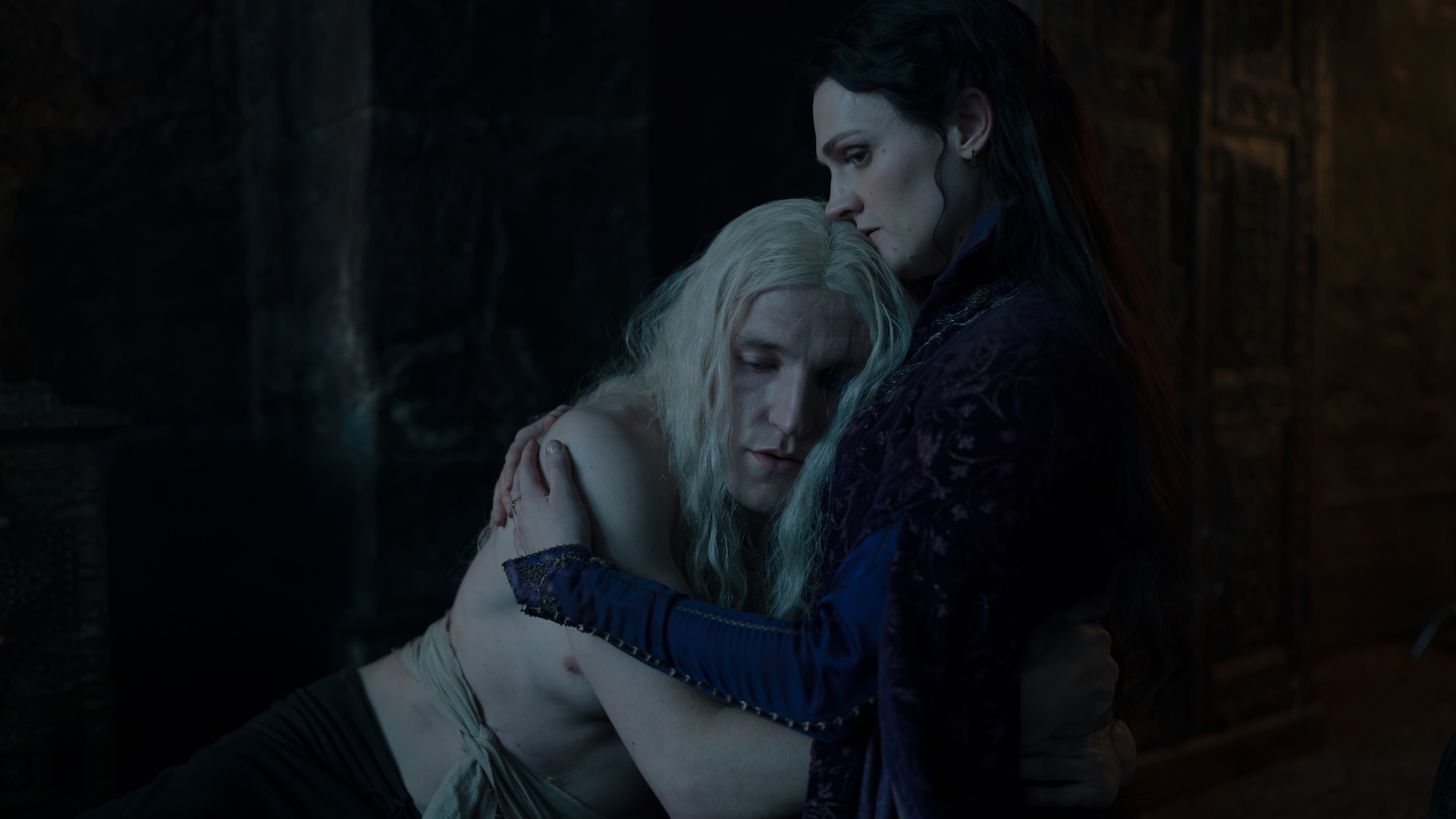
The episode also delves into the deeply troubling dynamics within the Targaryen family. Aemond Targaryen's (Ewan Mitchell) entanglement with Alys Rivers (Gayle Rankin) complicates his sense of autonomy; he appears increasingly under her influence. Their relationship serves as a microcosm of the greater theme around the loss of agency, indicating that no character, however powerful, can claim genuine control over their fate amidst the twisted kinship and treachery that defines the Targaryen lineage.
This familial turmoil is further underscored as conflicts arise over Ormund Hightower's (James Norton) ill-fated plans involving Lord Corlys Velaryon (Steve Toussaint). Ormund's inability to recognize his own shortcomings mirrors Aemond’s precarious situation—both are players in a larger game, incapable of dictating their own outcomes.
Throughout the episode, the notion of control—especially in conjunction with the dragons—proves to be its most potent theme. Characters frequently find themselves at the mercy of forces beyond their comprehension, a situation exacerbated by the volatile actions of their dragons. Aemond’s struggle to comprehend his connection to Alys, paralleled with Lord Ormund’s disastrous negotiation attempts, further reinforces this idea that authority in House of the Dragon is illusory.
Even as Aemond collapses after drinking poison meant for him and Rhaenyra grapples with her inability to control her dragon's actions, the lesson becomes increasingly clear: the more power one seeks, the more likely they are to lose control over it. Just as the Targaryens are bound to their dragons, they are bound to their own destructive patterns of behavior and familial conflict.
As "House of the Dragon" moves toward its Season 3 finale, the billowing shadows of dragons and the entangled fates of its characters suggest a volatile outcome. The interplay of power, familial ties, and the agency of dragons solidifies the thematic core of the series, illustrating that while characters may seek control, it is ultimately the unpredictable nature of dragons—and their riders—that will determine their fates.
While the episode offers strong opening and closing moments, it wrestles with pacing issues amidst its exploration of these themes. Viewers are left contemplating the implications of each character’s choice, as well as the overarching fate of House Targaryen.
For a deeper dive into some of the episode's themes, check out our related articles, including House Of The Dragon Season 3 Finally Reveals Helaena Targaryen's Dragon Dreamfyre, House Of The Dragon Season 3, Episode 7: Ormund Hightower's Plan Explained, and House of the Dragon Season 3, Episode 7 Ending Explained: Sunfyre's Return.
Episode breakdown
EpisodeBreakdown may use automated tools to assist research, drafting, and formatting. Published pages are governed by our editorial and corrections policies, and source links are shown when they are available in the article record.
Discovery source: Den of Geek. The source identifies where the topic was discovered; EpisodeBreakdown is responsible for the commentary published on this page.
Reader response
Reactions and poll results are based on real reader responses. No account is required.