test
asdasd
Explore the key events and motivations behind Alyn's shocking decision in the Season 3 finale of House of the Dragon.
Explore the franchise
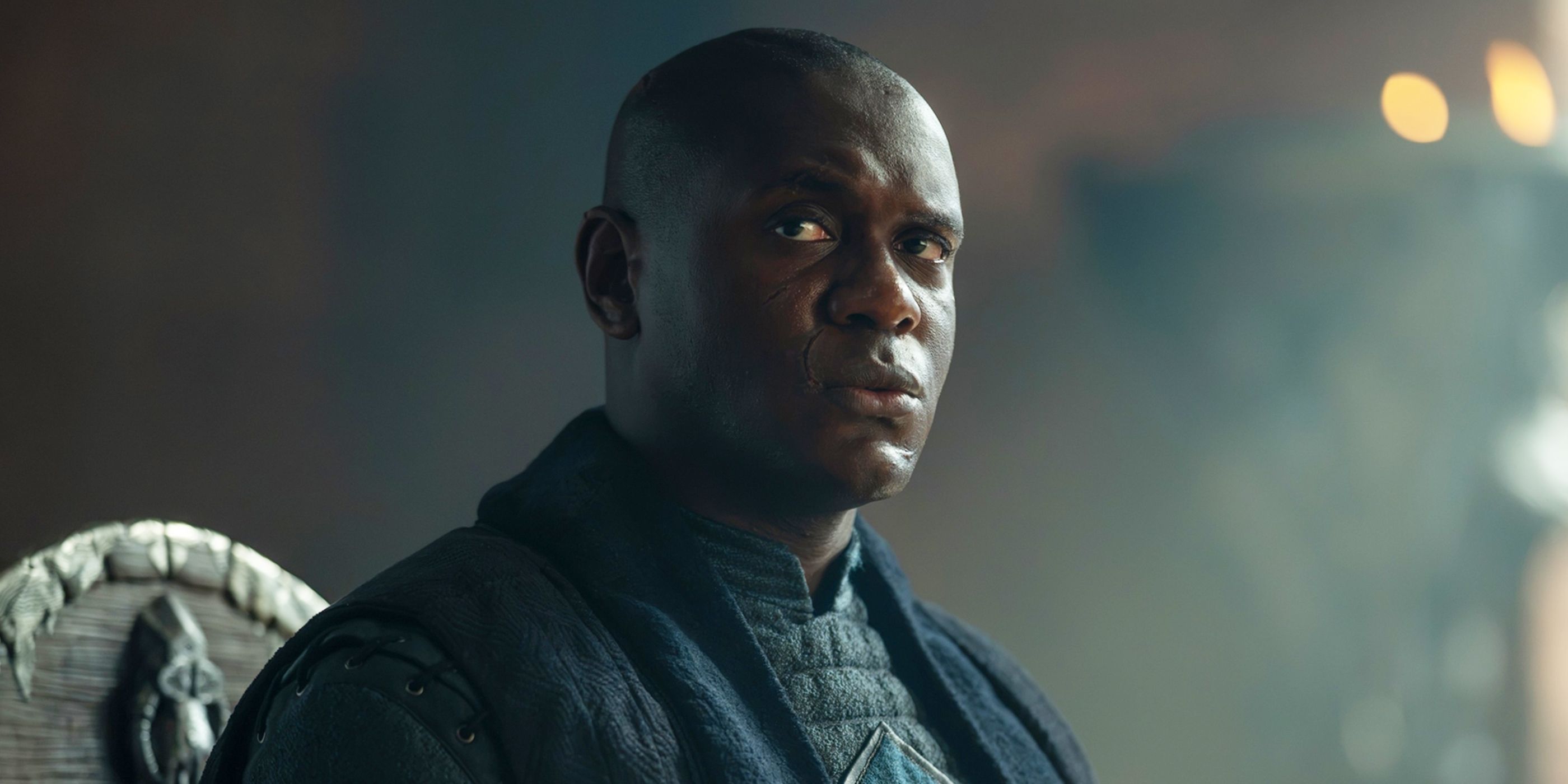
In the Season 3 finale of House of the Dragon, Alyn's decision to kill the High Septon lies at the heart of an escalating conflict. This shocking act highlights the intertwining of power, loyalty, and desperation as Rhaenyra’s desires force Alyn into a precarious position. In simple terms, Alyn’s actions set new boundaries for his role in the Targaryen conflict and reshape his relationships, particularly with his brother Addam and Baela, as they navigate the complexities of their heritage and shared grief.
The finale builds tension as Alyn is thrust into Rhaenyra's inner circle amid a brewing civil war within House Targaryen. Rhaenyra’s manipulation effectively corners Alyn, compelling him to act against his moral restraints. Earlier in the season, Alyn is portrayed as a reluctant participant in political machinations, vying for legitimacy after being denied status as Corlys Velaryon’s heir. The dramatic sequence culminates with Rhaenyra ordering Alyn to kill the High Septon, a figure akin to a papal authority.
In this pivotal moment, the act mirrors historical instances of violent power plays and religious persecution. Alyn grapples with his sudden rise from soldier to Hand of the King, facing overwhelming pressure in a world driven by blood and allegiance. His internal conflict, highlighted by Abubakar Salim’s performance, showcases the pressures faced by those unaccustomed to the ruthless political landscape of King’s Landing.
Alyn's motivations are layered with his ambition and the heavy shadow of his father’s expectations. After Corlys Velaryon's departure due to betrayal, Alyn feels the burden to prove himself, balancing the desires to fulfill his father’s legacy while grappling with Rhaenyra's demands. Salim’s portrayal suggests that Alyn reluctantly embraces his new position but recognizes the dire consequences if he refuses Rhaenyra's orders. His decision could be seen as a survival mechanism rather than a true embrace of power.
Alyn’s loyalty to his family and the emotional turmoil stemming from loss propel him. He feels a kinship with Baela, both having lost close familial ties amidst the chaos of war, which fuels his personal stakes in the matter. Their connection hints at deeper emotional layers affecting decisions, as Alyn attempts to find solace—and perhaps love—in a tumultuous political landscape.
Rhaenyra’s influence over Alyn raises questions about her character’s moral compass. By compelling Alyn to commit a violent act, she strategically eliminates potential threats to her throne in a bid for power. Alyn's reluctance suggests a growing realization of the implications of following her into a moral abyss.
Rhaenyra’s manipulation doesn't only reveal her desperation—it's a reflection of the larger escalating conflict within House Targaryen. As alliances crumble and loyalties are tested, her willingness to sacrifice those around her for the greater goal of securing her power showcases the personal cost of political ambition.
The ramifications of Alyn's shocking decision ripple through House Targaryen. On a personal level, committing such violence could irreparably alter his relationships with Addam and Baela. His assertive action marks both an embrace and a rejection of his newfound position of power. His ambition may breed resentment from his brother, who has already shown signs of volatility.
As Salim highlights, Alyn's declaration of himself as Corlys' heir can be interpreted as both a claim to his legacy and a challenge to other contenders like Joffrey. This declaration further complicates their dynamic as the Targaryen conflict deepens. The finale sets the stage for a potential struggle over Driftmark, leading to uncertainty about alliances and power in future seasons.
Although Alyn’s act is confirmed as a monumental moment, it leaves several questions looming over the series' future. Specifically, how will Alyn cope with the psychological burden of murder? What will be the immediate repercussions from both Rhaenyra’s side and the broader Targaryen faction?
Moreover, as the civil war escalates, the positioning of Alyn and Addam in the ongoing conflict will be pivotal. The moral implications of Alyn's actions introduce a complexity that could alter character trajectories, alliances, and loyalties moving into the next season.
Alyn's shocking act in the Season 3 finale of House of the Dragon stands as a critical turning point in the Targaryen saga. It illustrates the interplay of personal ambition and collective trauma, pushing the boundaries of character morality in favor of survival. As the war looms in forthcoming episodes, Alyn’s choices pose profound questions about loyalty, power, and the depths individuals will plunge into amid chaos.
For fans seeking further insight into the connected narratives, exploring Alyn's relationships with Baela and Addam can yield deeper understandings of familial obligations against a backdrop of political upheaval. To keep up with the evolving storylines and character arcs, check out our analyses on the series finale and its connections to upcoming seasons: House of the Dragon Season 3 Ending Explained: Rhaenyra's Transformation, House of the Dragon Season 3 Finale Explained: Deaths Explained, and House of the Dragon Season 3 Finale Ending Explained: Corlys' Dilemma.
Ending explanation
EpisodeBreakdown may use automated tools to assist research, drafting, and formatting. Published pages are governed by our editorial and corrections policies, and source links are shown when they are available in the article record.
Discovery source: Collider. The source identifies where the topic was discovered; EpisodeBreakdown is responsible for the commentary published on this page.
Reader response
Reactions and poll results are based on real reader responses. No account is required.