Seth Rogen Reveals Key to Hollywood Success at TIFF
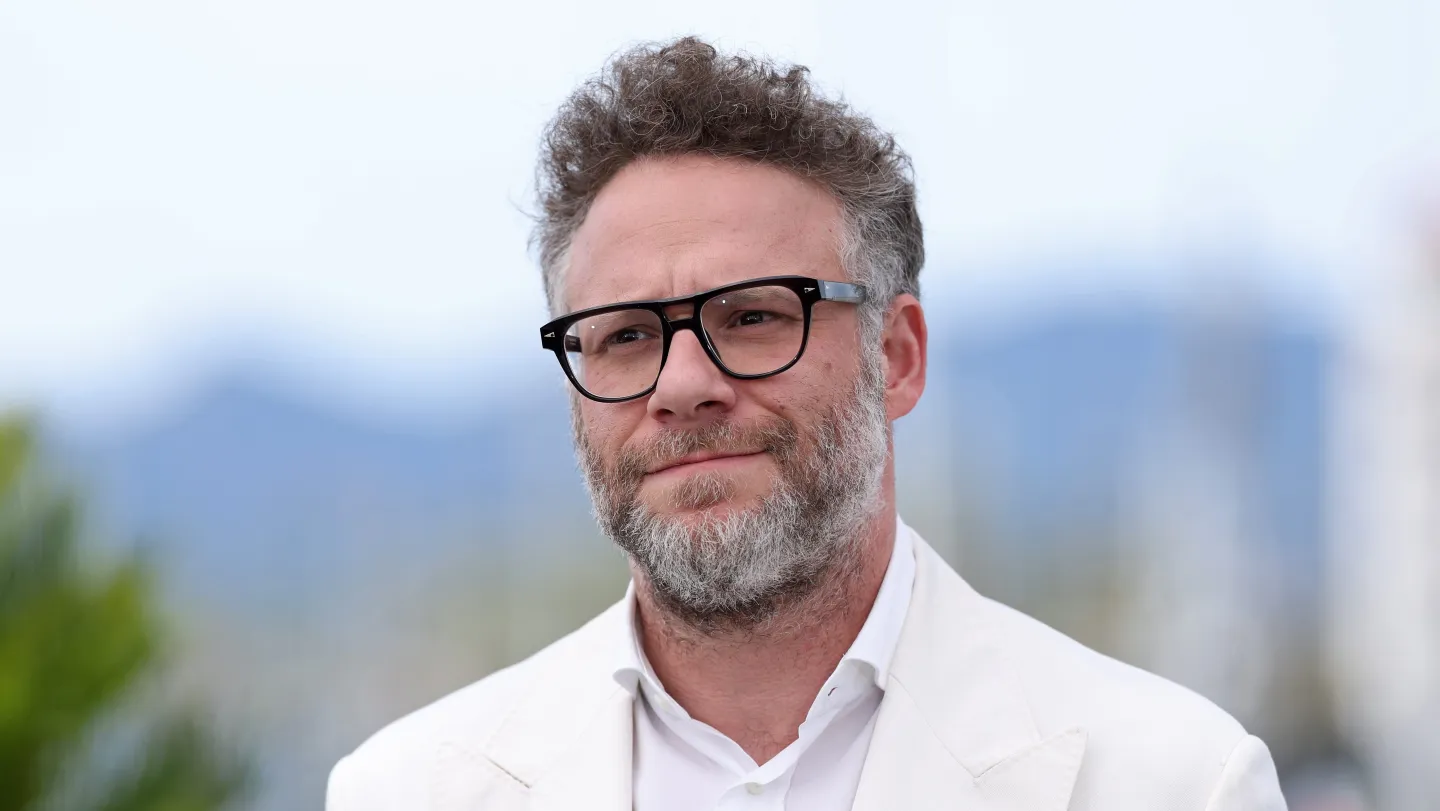
During his keynote at TIFF 2026, Seth Rogen shared insights on his Hollywood journey, attributing his success to luck and early experiences.
Marie Clements' film 'How We Stand' will have its world premiere at the Toronto Film Festival, exploring the 1950s Native American relocation.
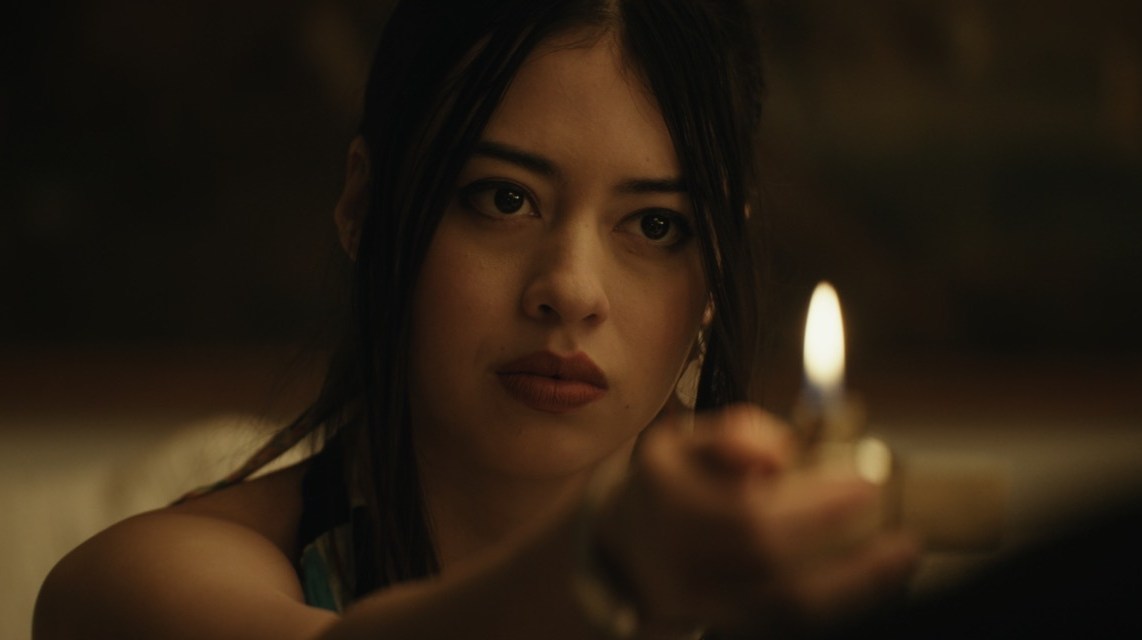
Marie Clements’ drama, How We Stand, is confirmed to world premiere at the Toronto Film Festival (TIFF) on September 13, 2026. The announcement was reported by The Hollywood Reporter. Clements, an acclaimed Canadian Indigenous director, brings to life a poignant narrative focused on the experiences of a single mother and her three daughters who face tragedy after their relocation to Los Angeles during the 1950s.
Set against the backdrop of the U.S. federal government's Native American Relocation Program, the film highlights the struggles faced by Indigenous peoples who left rural reservations for urban life in hopes of better opportunities. This historical context is reflected through the story of Angela, portrayed by Cara Jade Myers, and her daughters, who are directly impacted by the socio-economic challenges and cultural dislocation brought on by government policies.
Clements expresses the complexity of this legacy, stating, "It’s such an epic story... universally we all want to go somewhere just to have a new beginning." How We Stand utilizes a blend of magical realism and Indigenous storytelling traditions to depict the cultural ramifications of historical injustices. This artistic choice aims to evoke a deeper understanding of the painful truths associated with the 1950s relocation.
The narrative follows the daughters, portrayed by Amber Midthunder, Alyssa Wapanatâhk, and Isabel DeRoy-Olson, as they navigate separate paths after being torn apart by circumstances. Their reunion occurs amidst a dramatic flood in 1970s Los Angeles. Clements’ storyline delves into crucial themes of poverty, systemic racism, sexism, and violence, offering a stark portrayal of the challenges faced by Indigenous communities.
Contextualizing their journeys, the characters reflect real issues, such as Miranda’s activism on a Hollywood set that parodies Native American culture, and Jessie’s struggles as a doctor in a clinic involved in unethical practices against Indigenous women. Through these arcs, the film critiques historical narratives that often overlook or misinterpret Indigenous experiences.
Clements' adaptation of her earlier one-woman stage play titled Tombs of the Vanishing Indian serves as a powerful reminder of the often-overlooked aspects of Indigenous history. The director emphasizes the need for cinema to confront uncomfortable truths, stating, "Our (Indigenous) history is uncomfortable... There’s something powerful in seeing our experiences reflected on screen."
The film’s climax confronts the Vanishing Indian myth, a concept that historically suggested Indigenous peoples were destined to fade away. Clements refutes this notion, arguing that the reality for Indigenous communities has been one of violence, not magic. This refreshing narrative outlook allows audiences to engage with the layered complexities of Indigenous histories through a contemporary lens.
How We Stand is directed by Clements, who is also involved as the screenwriter and producer alongside Christine Haebler, Trish Dolman, and Steven Thibault. The film pays homage to the activism and societal movements of the 1970s, blending education and entertainment to resonate strongly with today’s audiences.
The cast includes talents such as Darren Mann, Eric Johnson, Gary Farmer, and Tonantzin Carmelo, enhancing the film's authenticity and representation.
As How We Stand prepares for its premiere, it highlights ongoing dialogues surrounding Indigenous rights and representation in film. With its rich narrative and deep historical roots, the film is anticipated to spark crucial conversations about accountability and understanding within society.
Fans and critics alike await the premiere at TIFF, where How We Stand promises to leave a significant impact through its engaging storytelling and exploration of a vital but often overlooked chapter in American history.
For more updates, check out related stories like the latest reviews for The Life and Deaths of Wilson Shedd and Re/Pair, reflecting the diverse storytelling seen at the festival.
Read more about TIFF at Hollywood Reporter
Entertainment news
EpisodeBreakdown may use automated tools to assist research, drafting, and formatting. Published pages are governed by our editorial and corrections policies, and source links are shown when they are available in the article record.
Discovery source: The Hollywood Reporter. The source identifies where the topic was discovered; EpisodeBreakdown is responsible for the commentary published on this page.
Reader response
Reactions and poll results are based on real reader responses. No account is required.