test
asdasd
Explore the ending of Spider-Man: Brand New Day and Hulk's pivotal role in shaping the future of the MCU.
Explore the franchise
In simple terms, the ending of Spider-Man: Brand New Day highlights a critical growth moment for Peter Parker while signifying Bruce Banner's turmoil and transformation. Bruce's role not only serves to challenge Peter's self-acceptance but also foreshadows potential narrative arcs leading to future Avengers films. As the characters navigate their internal conflicts, the film closes with significant implications for their trajectories within the Marvel Cinematic Universe (MCU).
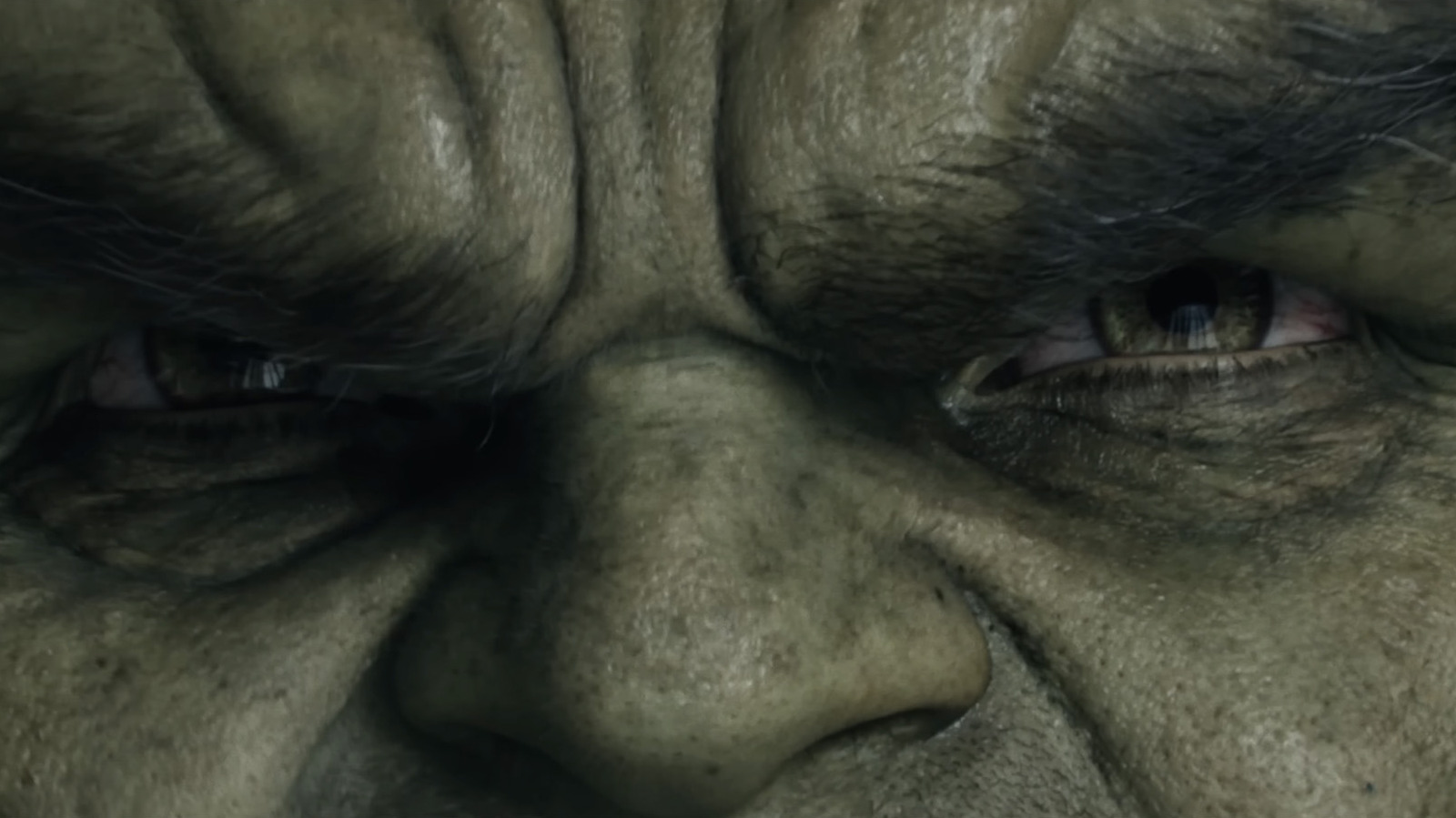
Throughout Brand New Day, Peter Parker grapples with new mutations stemming from his Spider-Man DNA, reflecting issues of self-identity and control. The final scenes focus on a significant confrontation between Peter and the Hulk, who is unleashed after Bruce struggles to maintain his human side. Unlike previous portrayals, this version of Hulk illustrates the immense power and danger of his rage, contrasting sharply with the peaceful existence Bruce has attempted to cultivate as a university professor.
As the climax unfolds, Peter realizes that trying to suppress his own mutation only exacerbates his struggles. He witnesses Bruce's inability to contain the Hulk, illustrating a profound lesson about self-acceptance. The film ends after a suspenseful showdown, with Peter gaining clarity about embracing his differences rather than fighting against them. Meanwhile, Bruce's Hulk represents the uncontrollable nature of fear and anger, encapsulated in the haunting moment when he panics over the potential harm caused during his rampage.
By the end of Brand New Day, Peter’s decisions are pivotal. Initially overwhelmed by his mutation fears, he ultimately chooses not to suppress his power but to harness it. This decision marks his evolution from a fearful hero to an empowered one. The experience with Hulk, who personifies internal battle, serves as a catalyst for Peter’s realization to embrace who he is fully.
Conversely, Bruce ends the film in a precarious state. Despite his efforts to contain the Hulk, the character experiences a devastating personal crisis as he confronts the chaos within himself. This transformation signifies not just a return to form as Hulk, but potentially a step back in his personal development, countering the narrative of acceptance he was pursuing at the film's start. His situation leaves him vulnerable, believing he can never entirely escape his alter ego's destructive tendencies.
The ending conveys a clear message: embracing one’s identity is crucial for personal growth. Peter's relationship with Hulk serves as an allegory for internal conflict, providing both a narrative resolution and a foundation for future plotlines within the MCU. However, nuanced interpretations exist. For instance, though Peter finds clarity, Bruce's uncertainty raises questions about whether he will ever fully reconcile with the Hulk within him. Such ambiguity leaves room for exploration in upcoming films.
Key unresolved questions emerge from the film's ending. Will Bruce overcome his internal chaos to find a new balance as a hero, or is the cycle of violence and despair destined to repeat? Moreover, Peter's abrupt disappearance hints at a greater cosmic adventure ahead, potentially involving a transition to another dimension. As both characters remain in transitional states, audiences are left pondering how these developments will impact their narratives in forthcoming MCU projects.
Looking ahead, the ending of Spider-Man: Brand New Day suggests both Peter and Bruce may not be present in the next Avengers film, Doomsday. Bruce's psychological state and Peter's mysterious disappearance (hinted at in the post-credits scene) could set the stage for their absence. However, with Avengers: Secret Wars on the horizon, fans can anticipate their return, possibly evolving into new roles after overcoming their respective struggles.
Additionally, discussions around Hulk’s son, Skaar, and the implications of generational conflict could herald exciting narrative expansions. As Marvel explores the depths of each character's psyche and their intertwined fates, Brand New Day sets a sturdy foundation for these plotlines.
The ending of Spider-Man: Brand New Day reinforces the importance of accepting one's inner complexity while simultaneously preparing the way for significant changes in the Marvel Cinematic Universe. As Peter Parker learns to embrace his identities, Bruce Banner’s tumultuous journey illustrates the ongoing struggles heroes face within themselves. These dual narratives are poised to influence the future direction of Avengers films, notably Doomsday and Secret Wars, hinting at further exploration of their characters’ battles and resolutions. The opportunities for character development promise engaging storylines that continue to captivate audiences.
For further explorations of character transformations, check out Sadie Sink's Role as Jean Grey in Spider-Man: Brand New Day Explained and Understanding Exodus' Role in X-Men '97: Ending Explained as they venture into complex character arcs and their implications in their respective narratives.
Ending explanation
EpisodeBreakdown may use automated tools to assist research, drafting, and formatting. Published pages are governed by our editorial and corrections policies, and source links are shown when they are available in the article record.
Discovery source: Slashfilm. The source identifies where the topic was discovered; EpisodeBreakdown is responsible for the commentary published on this page.
Reader response
Reactions and poll results are based on real reader responses. No account is required.