test
asdasd
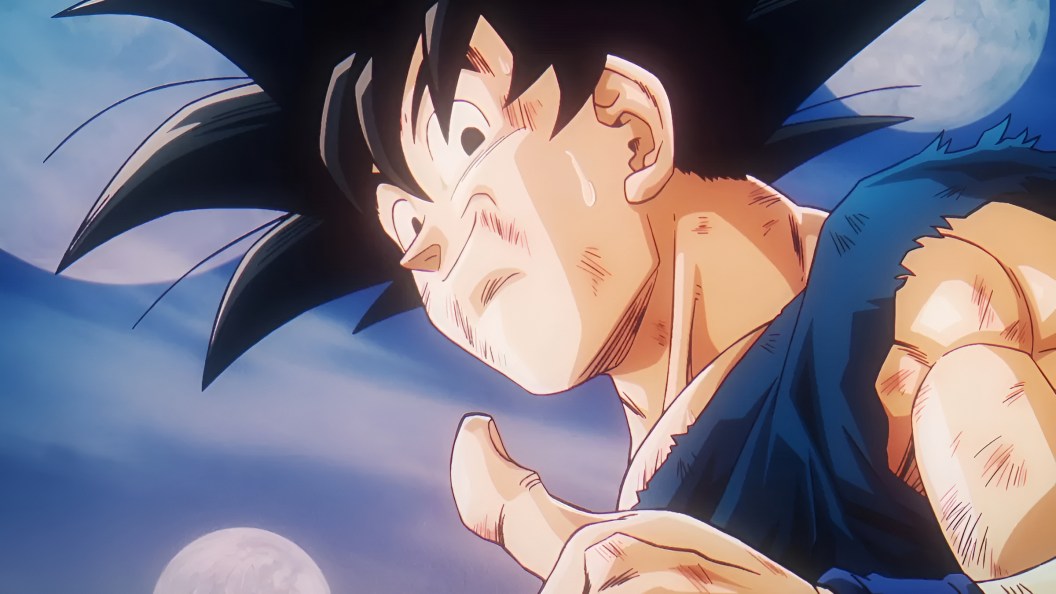
Dive into the enduring legacy of Dragon Ball Z's most iconic villains and their unforgettable battles that shaped the series.
Explore the franchise
In simple terms, Dragon Ball Z (DBZ) has given fans some of the most memorable battles in anime history, largely thanks to its iconic villains. These antagonists not only serve as formidable foes but also as catalysts for character development and narrative progression. What happened is that three villains stand out for their legendary confrontations that shaped the series: Frieza, Cell, and Kid Buu.
Each of these villains presented unique challenges to the Z Fighters, pushing the heroes to their limits and often leading to significant transformations and power-ups. In this breakdown, we’ll dive into what makes their fights unforgettable and why they remain etched in the minds of fans.
Frieza is often recognized as one of the most sinister villains in the entire Dragon Ball franchise. The galactic tyrant, notorious for his ruthlessness, committed acts of unparalleled destruction, including the annihilation of Planet Vegeta, the Saiyan homeworld. However, it was Frieza's confrontation with Goku that marked the series' pivotal moment.
During their climactic battle on Namek, Goku finally transcends to the legendary Super Saiyan form, a moment steeped in myth within the lore of the series. Frieza’s fear of being outmatched is realized, setting the stage for epic power struggles that redefine the Shonen genre. What makes this fight particularly striking is not just Goku’s transformation but the emotional weight behind it, which resonates with fans long after its original airing.
For an in-depth exploration of transformations in anime, check out our article on Dragon Ball Super Artist's Special Makeover for Isekai Phenomenon.
Next on our list is Cell, a villain created to embody the best traits of the Z Fighters. Often viewed as the most psychologically complex villain in DBZ, Cell strikes a balance between brute strength and cunning strategy. His ability to analyze his opponents and devise effective strategies gives him a distinct edge, making his battles increasingly engaging.
The Cell Games Saga showcases his calculated cruelty, leading to a tense showdown between him and Gohan. The emotional stakes rise as Gohan unlocks his potential, transitioning into Super Saiyan 2 thanks to Cell’s relentless provocation. This moment exemplifies how Cell's character not only makes him formidable but also pivotal in catalyzing Gohan's growth, demonstrating the intricate web of rivalry and mentorship that defines DBZ.
For further insights into transformation dynamics within the series, explore our piece on My Hero Academia Creator Returns to Shonen Jump With New Horror Manga.
Last but certainly not least is Kid Buu, the final form of Majin Buu, who poses the greatest existential threat to the universe. Unlike Frieza and Cell, Kid Buu represents pure chaos and malice, channeling an unstoppable force that tests the limits of Goku and his allies. One of the most memorable moments in their final confrontation is Goku’s Spirit Bomb, which showcases the collective strength and will of every living creature on Earth.
What truly sets this battle apart is its message about unity and sacrifice. The Spirit Bomb, empowered by the hopes of every being, enables Goku to deliver a decisive blow. This moment serves to conclude the main narrative arc not with individualistic triumph but through collective solidarity, a theme that resonates with both the audience and characters alike.
To learn more about character transformations in terms of their narrative significance, read about My Life With The Walter Boys Season 3 Finale Explained.
The influence of these iconic villains extends beyond their respective narratives. They have altered the trajectory of the Dragon Ball universe and have left a lasting legacy on the genre as a whole. Fans continue to discuss and analyze their battles, noting how each confrontation incorporates themes of sacrifice, triumph, and growth. The series has not only entertained but has also taught valuable lessons about resilience and unity through its storytelling.
In summary, the enduring appeal of Dragon Ball Z villains like Frieza, Cell, and Kid Buu can be attributed to their ability to challenge the heroes while simultaneously facilitating profound character development. Their battles are woven into the fabric of anime history, characterized by emotional depth and narrative significance that captivates audiences even decades later. While their iconic status is firm, fans still speculate about the influences of these battles on future story arcs and character dynamics within the Dragon Ball universe. As the series continues to expand, the legacy of these unforgettable villains remains a subject of discussion, promising ongoing excitement for new and returning viewers alike.
Story breakdown
EpisodeBreakdown may use automated tools to assist research, drafting, and formatting. Published pages are governed by our editorial and corrections policies, and source links are shown when they are available in the article record.
Discovery source: ComicBook.com. The source identifies where the topic was discovered; EpisodeBreakdown is responsible for the commentary published on this page.
Reader response
Reactions and poll results are based on real reader responses. No account is required.