Jurassic World Rebirth Sequel Faces Setback as Director Exits
The sequel to 'Jurassic World Rebirth' has hit a significant roadblock as director Gareth Edwards departs the project due to reported creative differences.
Explore numerous iconic movie quotes that are frequently misquoted and the reasons behind their transformation over time.
The phenomenon of misquoted movie lines is a fascinating cultural artifact. In simple terms, it reveals how our collective memory can distort original works, often favoring simpler or more contextually rich phrases. Notably, many famous lines have evolved over the decades, transforming them into popularly recognized, yet inaccurate, versions. This analysis explores 15 of the most commonly misquoted movie lines, examining why these alterations occur and what they mean for our understanding of film.
Misquotes often become prevalent when phrases resonate deeply within popular culture. For example, the line attributed to Darth Vader, "Luke, I am your father," is frequently cited, yet he actually says, "No, I am your father." The original line's form, while less palatable as a standalone quote, provides crucial context during a climactic scene. As such, the misquoted version has gained traction, evolving from its source.
Another example includes the oft-misquoted line from "Casablanca": Many remember it as "Play it again, Sam." However, the original dialogue is, "Play it, Sam. Play 'As Time Goes By.'" This change reflects a simplification that allows for easier recall and application in everyday conversations. Ultimately, these instances highlight not just linguistic evolution but also how cultural narratives adapt for mass consumption.
One major theme in these popular misquotes is the way they connect to the emotional moments within their narratives. The misquote from Disney's animated classic, "Mirror, mirror on the wall," is an instructive case. The original line is "Magic mirror on the wall," but the falsified version has attained a life of its own, becoming more famous than the original, largely due to its poetic quality and ease of recall.
Similarly, lines like "Hello, Clarice" have also been misremembered, as Hannibal Lecter never directly addresses Clarice Starling this way in the film. This illustrates how misquotes can take on a life of their own, creating iconic phrases that sometimes overshadow their authentic counterparts. Misremembered lines, therefore, distill the essence of memorable characters while emphasizing Hollywood's impact on cultural dialogues.
The changes in these quotes reveal more than just semantic shifts; they often embody deeper themes and emotions. For instance, the phrase commonly paraphrased as "Toto, I don’t think we’re in Kansas anymore" actually originates from, "Toto, I’ve a feeling we’re not in Kansas anymore." This subtle nuance emphasizes Dorothy’s emotional realization over mere geographical displacement, adding layers of meaning that are often lost in simplified recitations.
Similar instances can be found in Clint Eastwood's iconic line from "Dirty Harry"—often recalled as "Do you feel lucky, punk?" Here, the full monologue preceding this line enriches its context, significantly impacting the character's athletic tension and moral complexity, which a mere recall cannot capture.
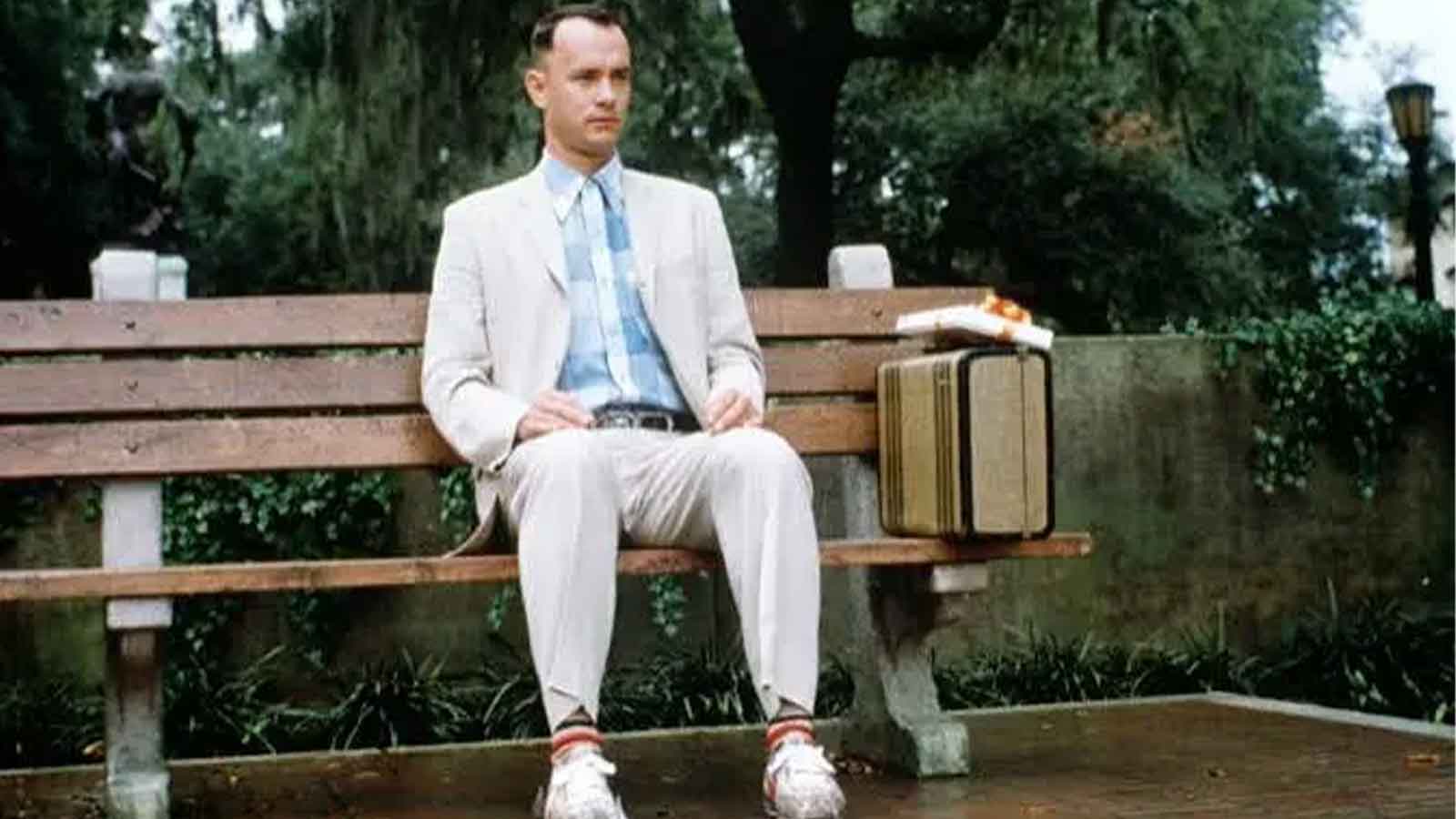
Another prominent misquote is Forrest Gump’s, “Life is like a box of chocolates.” This is actually prefaced with, “My mama always said life was like a box of chocolates,” lending personal significance to the statement that gets diluted in its frequent recitation. Additionally, popular phrases such as "Greed is good" from "Wall Street" are often truncated, omitting crucial context that turns a broad statement into a divisive moral argument.
The fact that altered quotes often become more recognized than their original counterparts introduces complex dialogues surrounding authenticity in cinema. It raises the question: Does our collective memory enhance or undermine the legacy of the films themselves?
An interesting look at the ending of these misquote evolutions reveals that they frequently stem from the desire for clarity within the context. Phrases like “We’re gonna need a bigger boat” from "Jaws" is often cited incorrectly as “You’re gonna need a bigger boat,” yet serves to underscore the movie's tension and urgency. This misquote exemplifies how slightly adjusted phrases can magnify emotional connections, showcasing how some misinterpretations lead to greater impact than the originals.
The ongoing evolution of these quotes opens a dialogue about the nature of cultural memory. While it might seem trivial, this phenomenon allows insights into how audiences engage with cinematic texts. It poses important questions regarding representation, audience connection, and the essential truths about memory and film. As we recognize these misquoted lines, it remains vital to appreciate both their infectious charm and the impact of their original contexts.
In summary, the allure of iconic misquoted movie lines offers a glimpse into our collective psyche and how we relate to media narratives. By analyzing these transitions, we can appreciate the artistry of the original lines while also acknowledging how language can evolve in the public consciousness. Understanding these alterations gives us greater insight into film history, as well as the social dynamics of storytelling and memory shaping popular culture today.
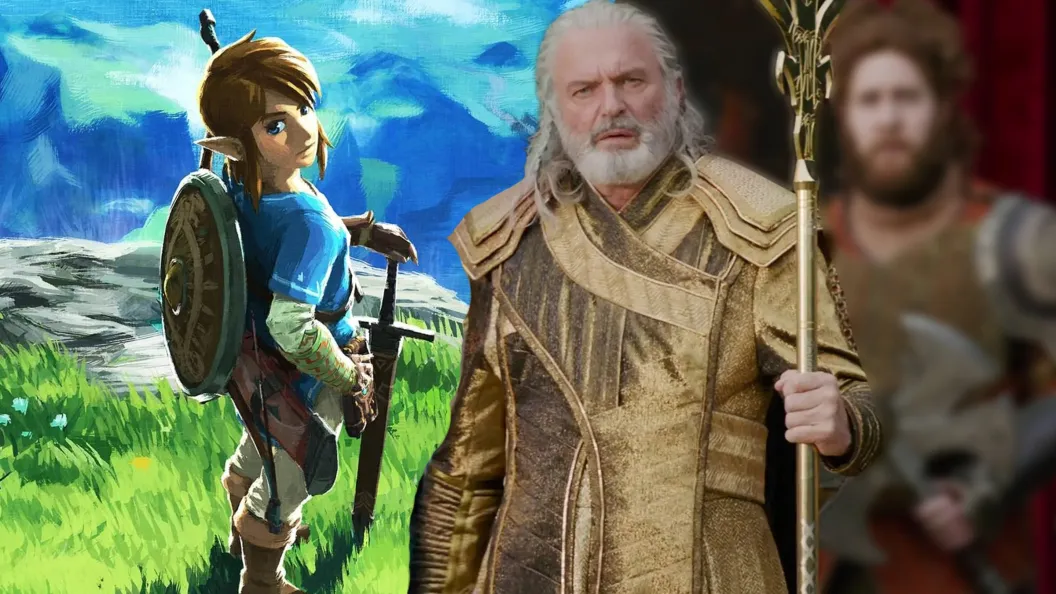
For those intrigued by the complex layers of cinematic dialogue, further reading can be explored, such as the evolving character dynamics in upcoming films like Sam Neill's Role in the Upcoming Legend of Zelda Movie, which continue to explore the depth of quotes that resonate through their questions and assertions. These discussions enhance our grasp of how these narratives transform, reflecting societal shifts and memories along the way.
Movie explanation
EpisodeBreakdown may use automated tools to assist research, drafting, and formatting. Published pages are governed by our editorial and corrections policies, and source links are shown when they are available in the article record.
Discovery source: Den of Geek. The source identifies where the topic was discovered; EpisodeBreakdown is responsible for the commentary published on this page.
Reader response
Reactions and poll results are based on real reader responses. No account is required.