Michel Hazanavicius Cuts Production Days on 'The Third Hand' Using AI
Director Michel Hazanavicius reduced production time for 'The Third Hand' by eight days with the help of AI, according to Goodfellas CEO Vincent Maraval.
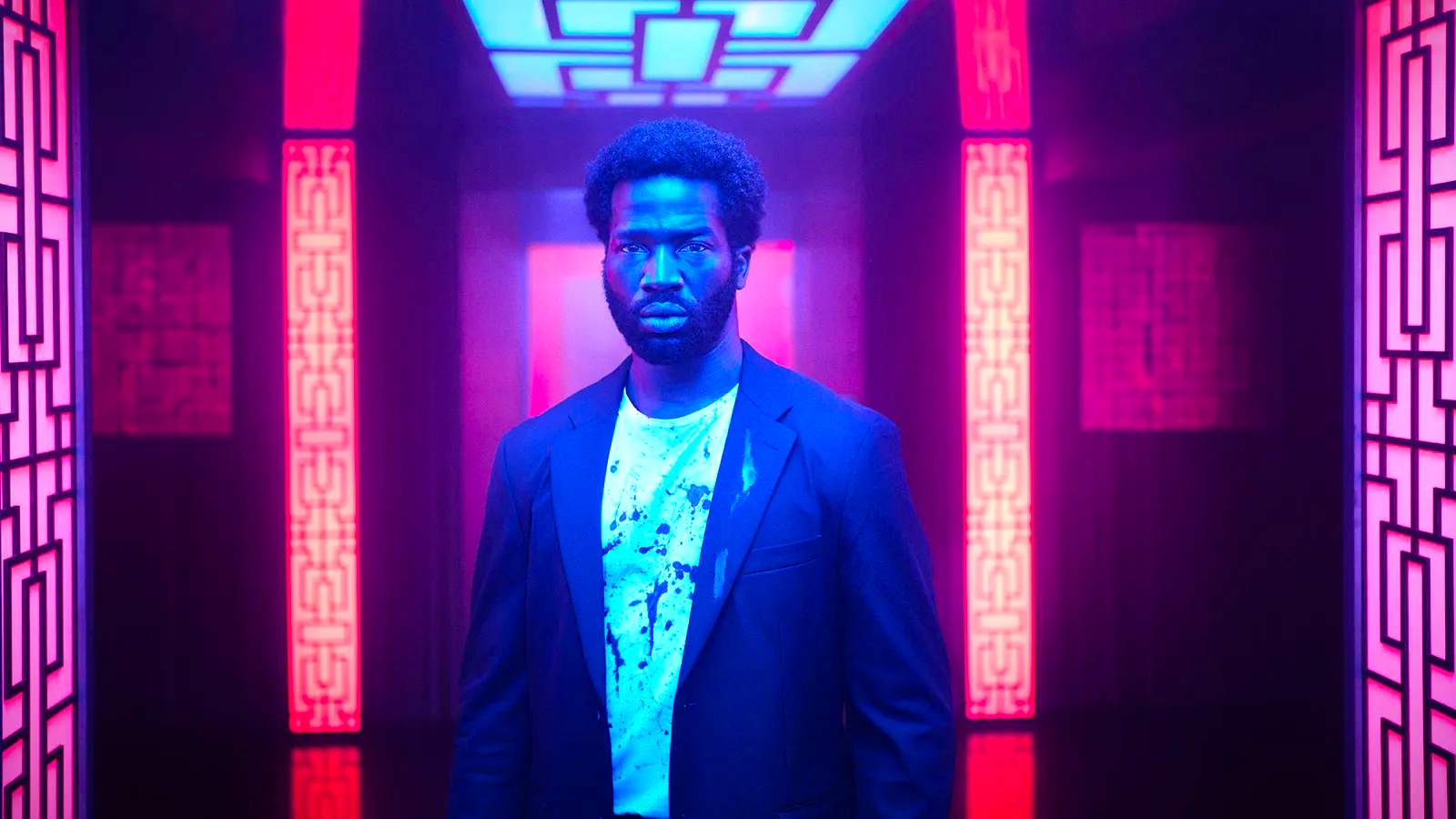
Idris Elba starred in Guy Ritchie's 'RocknRolla', featuring actors who later became iconic villains in Marvel and DC films.
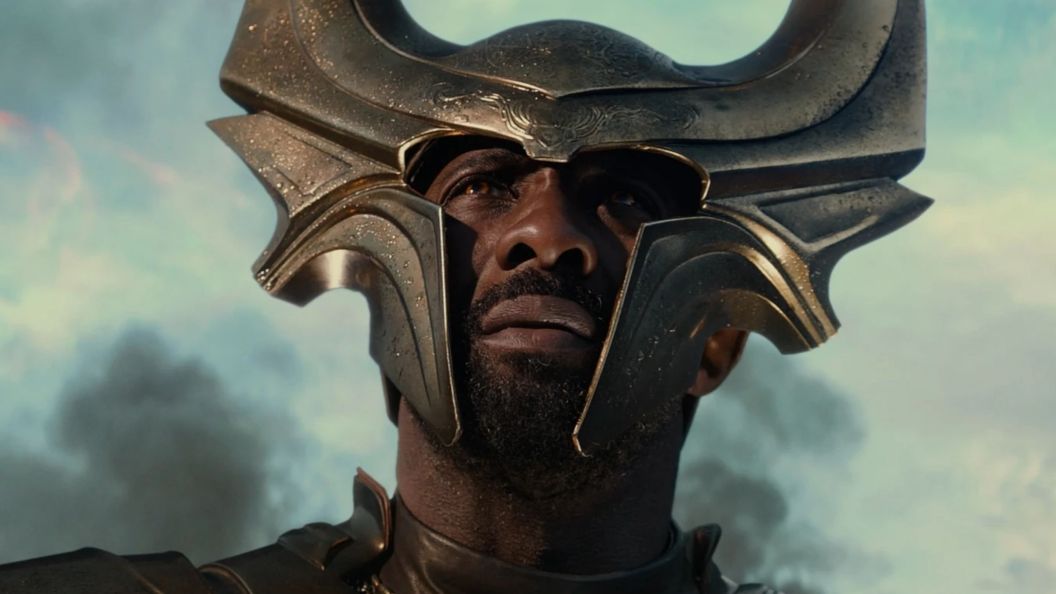
In 2008, filmmaker Guy Ritchie released 'RocknRolla', a crime film that features a cast of actors who would go on to portray some of the most prominent villains in the Marvel and DC universes. Idris Elba plays a character named Mumbles. Despite a warm reception upon release, the film has faded from popular discussion over the years.
According to ComicBook.com, 'RocknRolla' debuted strongly, hitting number one at the box office in the UK during its opening weekend. However, its financial outcomes revealed a more nuanced story, grossing approximately $25.7 million worldwide against an $18 million budget—considered a modest return rather than a failure, but significantly less than Ritchie's earlier hit, 'Snatch'. The film was seen largely as a return to form for Ritchie, though it did not reach the heights of his earlier work.
What is particularly intriguing about 'RocknRolla' is its ensemble cast, which includes several future Marvel and DC villains. Among those who eventually took on such roles are Tom Hardy (who portrayed Bane in 'The Dark Knight Rises'), Toby Kebbell (who played Doctor Doom in the 'Fantastic Four' reboot), Mark Strong (known for his role as Doctor Sivana in 'Shazam!'), and Tom Wilkinson, who played Carmine Falcone in 'Batman Begins'. This distinct cast invites discussion about the evolving landscape of superhero cinema and how actors often transition through roles in different genres.
Elba, while not a villain in 'RocknRolla', represents an interesting point in this narrative. Three years after the film's release, he starred as Heimdall in 'Thor', marking a significant turn towards more prominent roles in comic-book adaptations. His character Mumbles offers a stark contrast to the villainous portrayals of his co-stars, highlighting the casting choices that resonate within Ritchie's gritty, crime-centric narrative.
At the time of its release, 'RocknRolla' was interpreted as a crime film drawing from a limited pool of skilled British actors adept at portraying complex, often morally ambiguous, characters. Critics, including Roger Ebert, noted that the film exemplified a particular affinity British actors have for gangster roles, akin to the American obsession with cowboy portrayals. The casting choice of these actors for crime-related roles inadvertently began a trend where they became associated with villainous characters in superhero narratives.
The film also concluded with a title card hinting at a sequel titled 'The Real RocknRolla', which was never realized despite Ritchie expressing interest in creating a trilogy. As of now, no plans for this sequel have materialized, although fans continue to express interest in further adventures with the original cast.
Idris Elba's role in 'RocknRolla' occurred before he became a fixture in the MCU, complicating narratives around his filmography. Elba's comic film career includes not only his appearances in Marvel’s 'Thor' but also roles in DC adaptations, such as playing Bloodsport in 'The Suicide Squad'. This trajectory contributes to a larger conversation about how casting choices in projects like 'RocknRolla' laid foundational elements for superhero casting in the years that followed.
Meanwhile, the forgotten status of 'RocknRolla' illustrates the unpredictable nature of film legacy and how certain works can fade while making significant contributions to mainstream culture’s understanding of cinematic villainy.
In summary, 'RocknRolla' serves as an unexpected milestone in the careers of its cast, suggesting that Guy Ritchie's ensemble choices were more impactful than initially recognized. While the film sits in relative obscurity, the collective journey of its actors into formidable, villainous roles has sparked discussions about the intersections of crime cinema and superhero films.
For budding film scholars and ardent fans of the genre, 'RocknRolla' represents a compelling study of how unintentional casting decisions can influence narratives and trajectories across cinematic realms.
Entertainment news
EpisodeBreakdown may use automated tools to assist research, drafting, and formatting. Published pages are governed by our editorial and corrections policies, and source links are shown when they are available in the article record.
Discovery source: ComicBook.com. The source identifies where the topic was discovered; EpisodeBreakdown is responsible for the commentary published on this page.
Reader response
Reactions and poll results are based on real reader responses. No account is required.