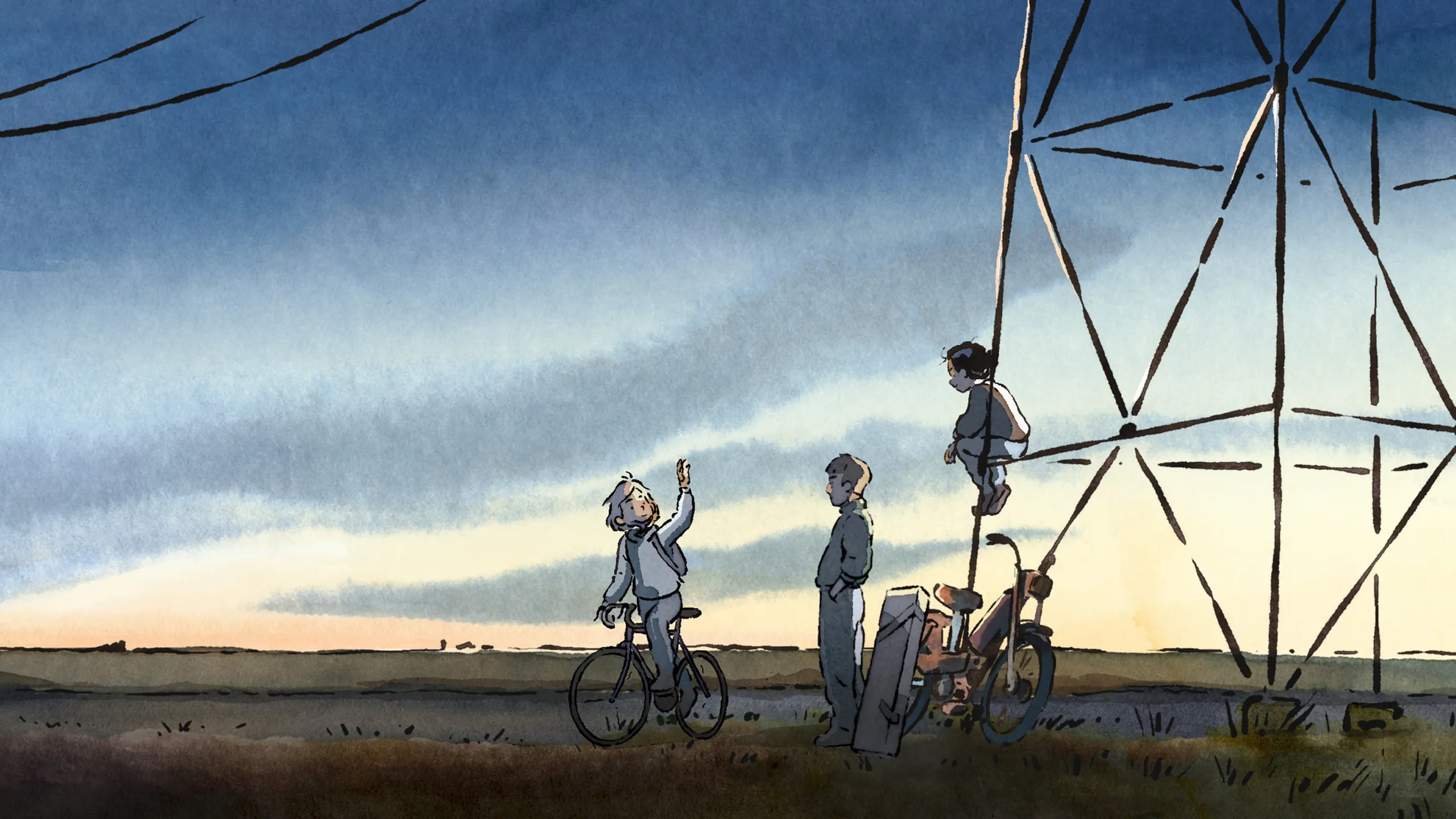
‘Paper Tiger’ and ‘Musk’ Documentary Featured at 2026 SFIFF
The 2026 Santa Fe International Film Festival showcases key titles including 'Paper Tiger' and 'Musk', marking an exciting lineup for this year.
British independent TV producers report $2.1 billion in international revenues, as the BBC faces financial challenges and needs to avoid a managed decline.

According to the latest Pact Census, revenue from Britain's independent television producers reached approximately $2.1 billion, signaling robust growth in international revenues for 2025. This figure marks the second-highest total ever recorded for UK independent producers, as announced by Pact, the representative body for the country's independent TV sector, on September 8, 2026.
Despite this remarkable growth, the report reveals a troubling trend: spending from UK broadcasters dipped below £2 billion (around $2.7 billion) for the first time since 2020. The Pact Census indicated that domestic TV revenues stood at £1.99 billion, reflecting a 4.7% decrease from the previous year and contributing to an overall revenue drop in the UK TV sector. The report underscores the growing financial pressure on local broadcasters amid shifting viewer habits and an inflationary production environment.
The primary engine driving the overall growth in revenues was international commissions, which surged to £1.57 billion, up 15.8% compared to £1.35 billion from the previous year. Notably, international revenues accounted for 41.1% of total revenues, emphasizing the increasing reliance of UK producers on global platforms like Netflix and Prime Video for commissions. Pact's newly appointed chief executive, Warner, pointed out that subscription streamers now produce 72.3% of all primary commissions from outside the UK, a significant increase from 27% over the past decade.
The findings come amid warnings from Pact that the BBC must take decisive action to avoid a situation described as “managed decline.” Pact emphasized that traditional funding models, notably the license fee, are under strain due to an increasing number of viewers opting not to pay. Warner suggested exploring alternative funding approaches, such as a household levy, akin to Germany's model.
Pact highlighted that these financial constraints on the BBC pose risks not just to its future but also to the broader UK broadcasting landscape, which could see a further decline in output and investment.
The report's statistics reveal a landscape in which independent producers are increasingly relying on non-traditional revenue streams. Non-TV revenue, incorporating online publishing, talent management, and films, increased to £258 million from £224 million, suggesting that producers might be diversifying their income as they grapple with fluctuating funding from traditional networks. Furthermore, secondary rights market sales grew, reaching £575 million, illuminating the importance of intellectual property rights in the current environment.
Warner indicated that these shifts necessitate that producers secure the rights to their work to recover financial investments effectively. This need for greater entrepreneurial agility aligns with a broader trend within UK production companies to adapt to market changes—especially as shows produced for international audiences become increasingly critical to financial viability.
The data presented by the Pact Census raises issues that are likely to resonate deeply within the UK broadcasting community. As Britain’s public service broadcasters face unprecedented financial challenges, the future structure of funding models, especially for the BBC, remains a significant topic of discussion. With ongoing changes expected in both traditional and independent roles in TV production, industry stakeholders will have to navigate these challenges carefully while also capitalizing on the opportunities presented by international markets.
While these developments signal a resilient production sector, they also point to a troubling narrative regarding the BBC’s financial sustainability, which could have long-ranging implications for UK television as a whole.
For further insights into regional communications strategies, you can also explore our coverage on ‘The Gentleman’ Season 2 and Comedy Central Revives Drunk History.
Entertainment news
EpisodeBreakdown may use automated tools to assist research, drafting, and formatting. Published pages are governed by our editorial and corrections policies, and source links are shown when they are available in the article record.
Discovery source: Deadline. The source identifies where the topic was discovered; EpisodeBreakdown is responsible for the commentary published on this page.
Reader response
Reactions and poll results are based on real reader responses. No account is required.