Exploring the Chaos and Comedy of Violent Night 2
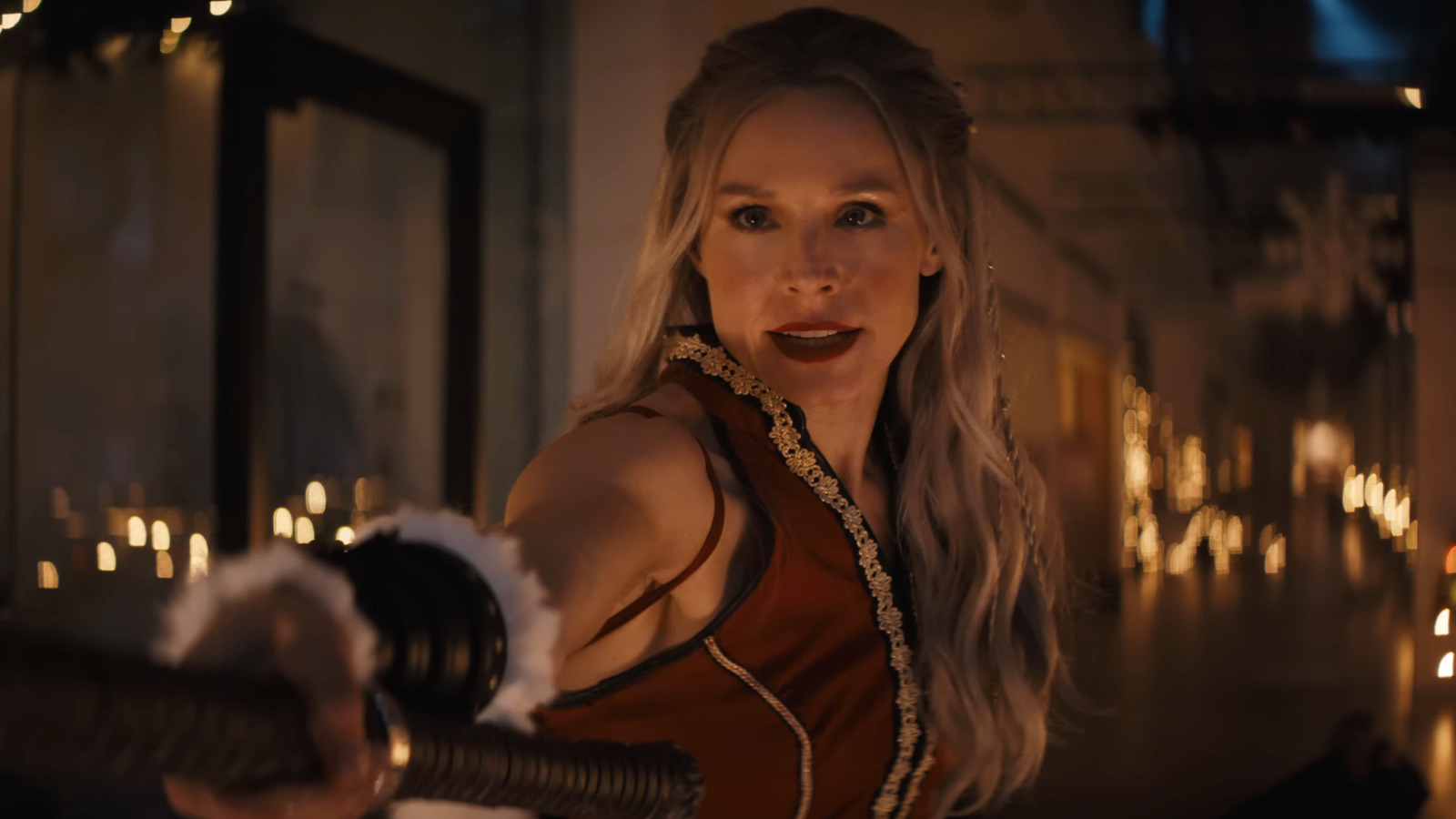
Dive deep into the themes, character choices, and exciting twists in 'Violent Night 2'. Discover how Mrs. Claus transforms the holiday mayhem.
This article delves into the themes, character choices, and the timeless appeal of 'Interview With the Vampire' now available in 4K UHD.
In simple terms, 'Interview With the Vampire' poses a central question: What does it mean to be immortal, and at what cost?
The film, based on Anne Rice's enduring novel, delves deep into this query, engaging the audience through its lush visuals and complex character studies. Warner Bros. Home Entertainment’s release of the film in 4K UHD, complete with never-seen deleted scenes, invites both new viewers and longtime fans to revisit the vampire saga with fresh eyes. This enhanced version promises to enrich our understanding of its characters and themes.
The narrative follows Louis de Pointe du Lac (Brad Pitt), who recounts his life story to a reporter, detailing his transformation into a vampire by Lestat de Lioncourt (Tom Cruise). This transformation is symbolic of the allure and darkness of immortality. Throughout the film, Louis grapples with his newfound existence, contrasting Lestat’s hedonistic enjoyment of vampirism with his own moral dilemmas.
In early scenes, the struggle between Louis's desire for a humane existence and Lestat's unapologetic embrace of his vampiric nature sets the tonal backdrop of the film. This conflict showcases the broader theme of the struggle for identity in an unending life.
A critical turning point occurs with the introduction of Claudia (Kirsten Dunst), a child turned into a vampire to fulfill their need for companionship and to challenge the dynamic between Louis and Lestat. Claudia’s transformation raises essential questions about agency, choice, and the ethical implications of immortality. Her character embodies the bitterness of eternal childhood, ultimately feeling trapped by the very existence that was meant to liberate her.
The evolving relationship among Louis, Lestat, and Claudia not only serves as a dramatic fulcrum but also highlights their differing philosophies towards life and death. As Claudia grows in intellect and resentment towards her circumstances, her arc reflects the dangerous consequences of eternal youth.
The film's visuals, now enhanced in 4K UHD, contribute profoundly to its themes. The rich, gothic landscapes and vibrant cinematography amplify the emotional depth and complexity of each character, immersing viewers in an otherworldly atmosphere. The exquisite detail of this new format provides a haunting experience that echoes the narrative's exploration of beauty and despair in an immortal life.
Through its lush aesthetic, 'Interview With the Vampire' transforms traditional horror tropes into a philosophical examination of existence. The film asks its viewers to confront their perceptions of life, love, and the essence of humanity, making the narrative as profound as it is entertaining.
As the plot progresses, the question of what it truly means to be a vampire shifts from a simple tale of horror to a deeper exploration of identity. Characters like Armand (Antonio Banderas) further complicate this exploration, presenting an alternative view of immortality that emphasizes a spiritual quest over mere survival.
In confronting these various ideologies, the film invites us to consider not just the allure of immortality but also its existential weight. The choice to live forever is, paradoxically, also a choice to lose parts of oneself, as seen in Louis's eventual realization of the futility and loneliness of his eternal life.
The film culminates in an ending that reflects its central themes. Louis's final acceptance of his fate, balanced with a burgeoning desire for companionship, drives the narrative towards its conclusion. As the film closes, he finds himself torn between the darker impulses of his nature and the remnant of his humanity, thus creating a poignant reflection on existence.
The unresolved ambiguity of Louis's journey resonates with audiences, leaving us with a lingering sense that the questions posed throughout the film echo our own explorations of life, love, and mortality.
With the release of 'Interview With the Vampire' in 4K UHD, there is renewed interest not only in the film but also in the themes it encompasses. The inclusion of deleted scenes will likely offer deeper insights into characters and moments that were previously unexplored. Fans can anticipate discussions surrounding the nuanced themes of power, identity, and morality that are as relevant today as they were upon the film’s original release.
As we look to future adaptations and explorations within this universe, understanding the rich layers of 'Interview With the Vampire' will undoubtedly inform and inspire new storytelling efforts, offering fresh perspectives on a timeless tale.
What this means is that 'Interview With the Vampire' remains a significant work, inviting audiences to confront their own notions of existence while appreciating the intricate web of relationships that define the vampire genre.
Movie explanation
EpisodeBreakdown may use automated tools to assist research, drafting, and formatting. Published pages are governed by our editorial and corrections policies, and source links are shown when they are available in the article record.
Discovery source: Bloody Disgusting. The source identifies where the topic was discovered; EpisodeBreakdown is responsible for the commentary published on this page.
Reader response
Reactions and poll results are based on real reader responses. No account is required.