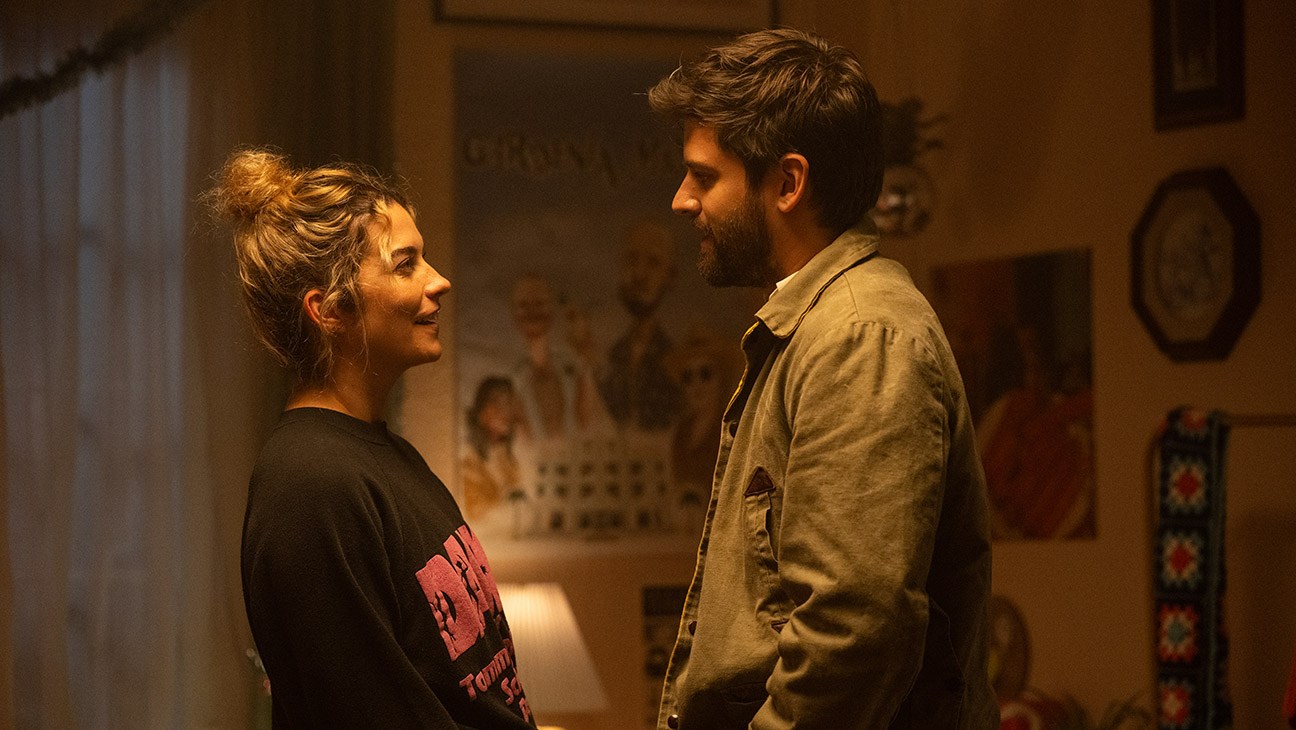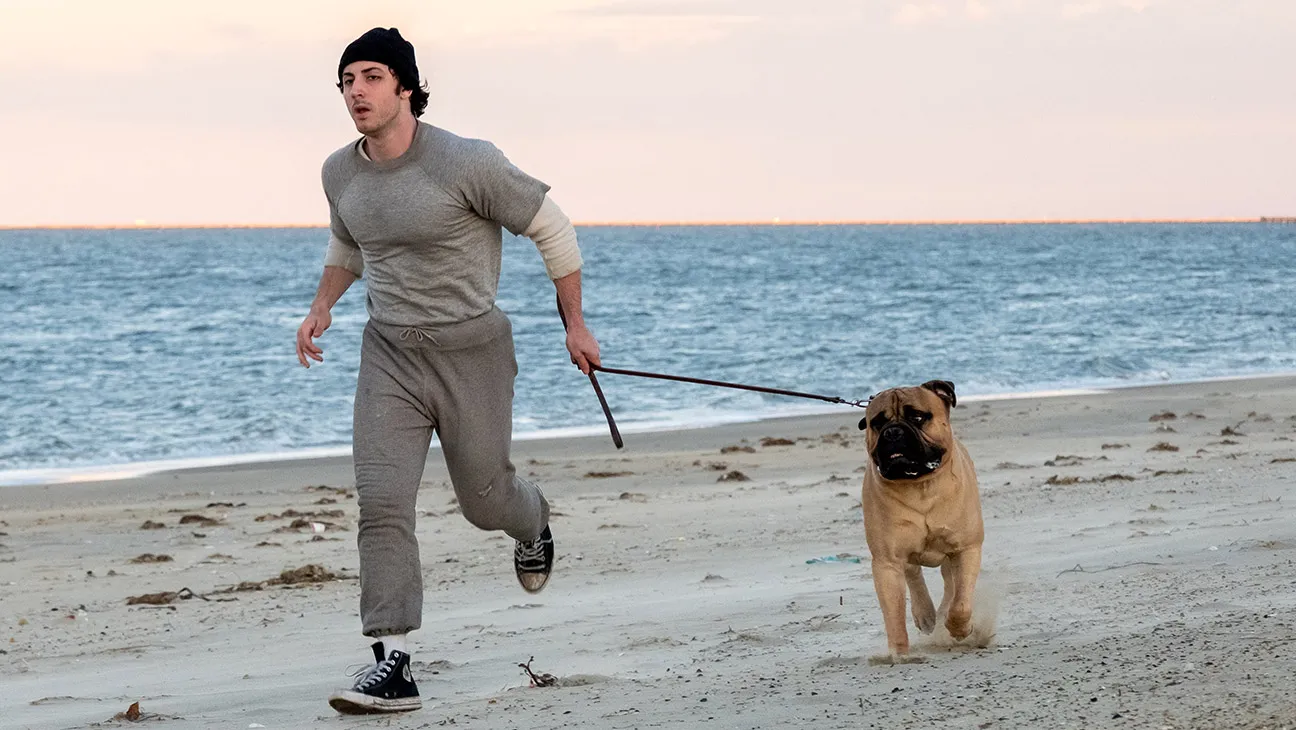
Netflix to Launch Lee Chang-dong's Films Amid Awards Buzz for ‘Possible Love’
Netflix will stream Lee Chang-dong's previous films globally, enhancing visibility for his work as the awards campaign for ‘Possible Love’ gains momentum.
Miki Zohar's threat to revoke the citizenship of NAZA filmmakers highlights tensions over freedom of expression in Israeli cinema.
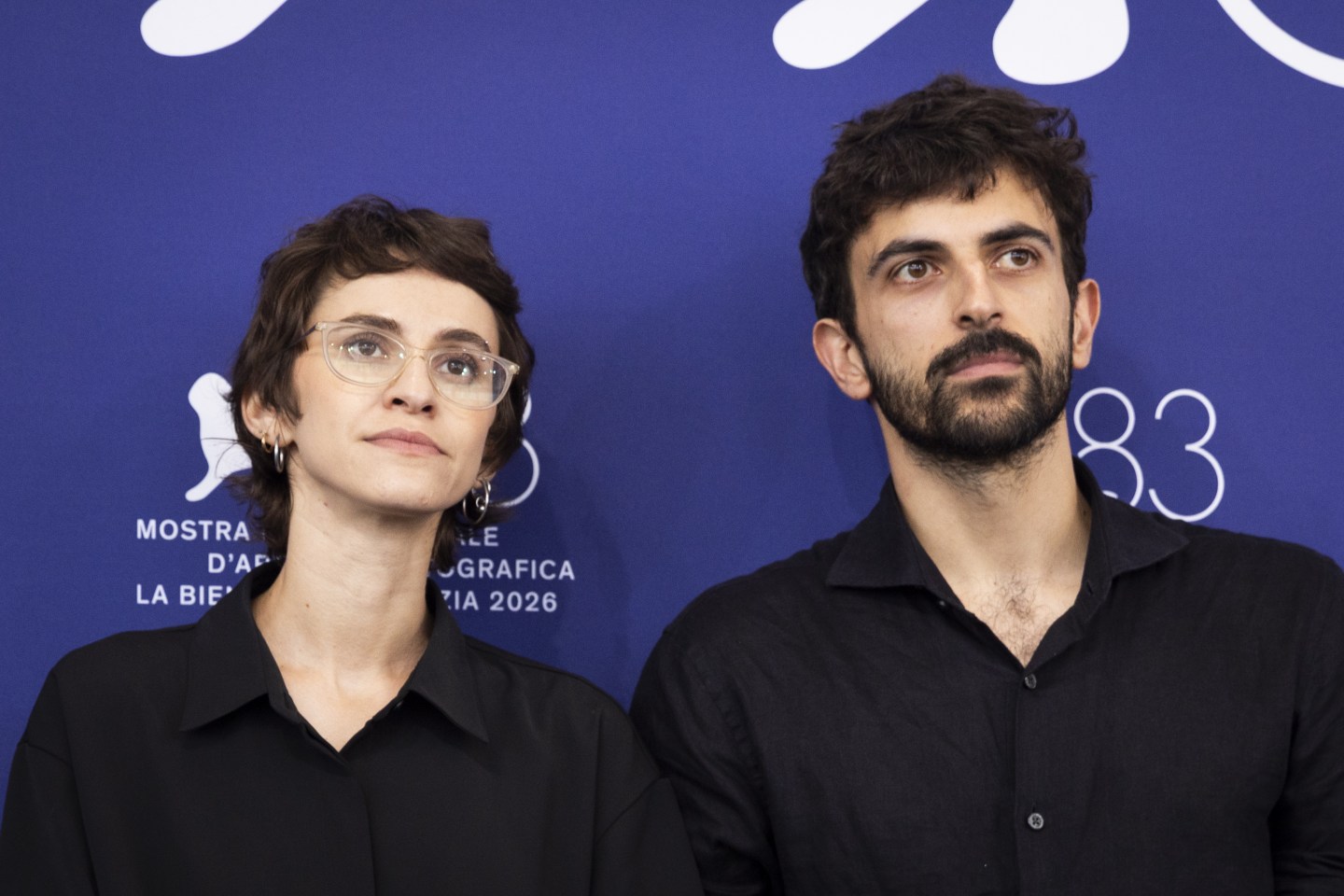
Israel’s Culture Minister Miki Zohar announced intentions to revoke the citizenship of filmmakers Yuval Abraham and Rachel Szor due to their documentary, NAZA, which critiques the Israel Defense Forces' (IDF) actions in Gaza. Reporting by The Hollywood Reporter detailed Zohar's accusations of treason against the filmmakers, asserting that the documentary's allegations—centered on the systematic targeting of civilians—run contrary to the interests of Israel.
In a post on social media, Zohar described NAZA as “vile” and said it “constitutes treason.” This documentary has gained attention following its victory of the Special Jury Prize at the Venice Film Festival and features testimony from 24 Israeli military officers alleging systematic protocols for targeting civilians. The film's title is derived from an acronym used by the Israeli military that symbolizes civilian casualties.
Zohar's threats are positioned within a broader initiative he has led to reform Israel’s cinema funding system. He recently directed public funds away from independent films that tackle sensitive political subjects, aiming to support productions with broader commercial appeal. His stated goal is to ensure that Israeli citizens do not financially support films he perceives as detrimental to the nation’s image, particularly regarding the IDF. This wave of reforms follows a controversial response to films that have previously garnered attention and accolades, such as No Other Land, which Zohar criticized after its Oscar win. He stated this marked an end to the era where Israeli soldiers are portrayed negatively through artistic expression.
Yuval Abraham, in his acceptance speech at Venice, emphasized the importance of addressing the documented realities of civilian casualties in Gaza, criticizing politicians and journalists who reject the film without having seen it. With aspirations for a wide release of NAZA in Israel and abroad—including the U.S. and Germany—the filmmakers hope the documentary will foster understanding and dialogue about complex narratives surrounding the conflict. Zohar’s assertion that the filmmakers do not deserve support stems from his belief that such narratives are counterproductive to Israel's interests.
Rachel Szor, another director of NAZA, articulated that the testimonies shared in the documentary were deliberately presented in Hebrew to resonate more with Israeli viewers. Yet, as it stands, the film has no distribution in Israel as the situation remains tense between state representatives and the arts community.
The developments surrounding NAZA come at a crucial time for Israeli cinema, which is experiencing an evolving dynamic influenced by government policy. Zohar’s suggestions to reallocate funding have raised alarms among independent artists, who worry that creative expressions may be stifled under new policy directions. Historically, this isn’t the first time Zohar has clashed with the film community; his previous adversities against filmmakers who address political issues showcase an ongoing struggle for artistic freedom in a politically charged environment.
The ramifications of Zohar’s threats extend beyond the individuals involved in NAZA. They signify a growing friction between governmental direction and artistic expression in Israel. As the filmmakers navigate this landscape seeking to share their work, the ongoing discourse may influence future projects and governmental policies regarding cinema and artistic expression in the country. The cultural climate surrounding films that challenge state narratives remains fraught, and reactions to NAZA will likely impact artistic freedoms and funding in the Israeli film industry.
Entertainment news
EpisodeBreakdown may use automated tools to assist research, drafting, and formatting. Published pages are governed by our editorial and corrections policies, and source links are shown when they are available in the article record.
Discovery source: The Hollywood Reporter. The source identifies where the topic was discovered; EpisodeBreakdown is responsible for the commentary published on this page.
Reader response
Reactions and poll results are based on real reader responses. No account is required.