Israel’s Culture Minister Threatens Filmmakers over Documentary NAZA
Miki Zohar's threat to revoke the citizenship of NAZA filmmakers highlights tensions over freedom of expression in Israeli cinema.
A parallel industry is emerging for Israeli and Palestinian films as mainstream U.S. distributors hesitate to engage with them.

A new industry is taking shape around Israeli and Palestinian films as mainstream U.S. distributors retreat from these politically charged projects. According to a report from The Hollywood Reporter, this development highlights a growing concern in the film community regarding the distribution of narratives that major studios are increasingly hesitant to support.
The report emphasizes the challenges filmmakers face in securing U.S. distribution, with titles like "Our Loves" and "Thirteen in Gaza" recently premiering at the Toronto International Film Festival (TIFF) but facing an uphill battle to find buyers. These screenings have sold out, but industry insiders suggest that the films will struggle amid significant backlash against the narratives they represent.
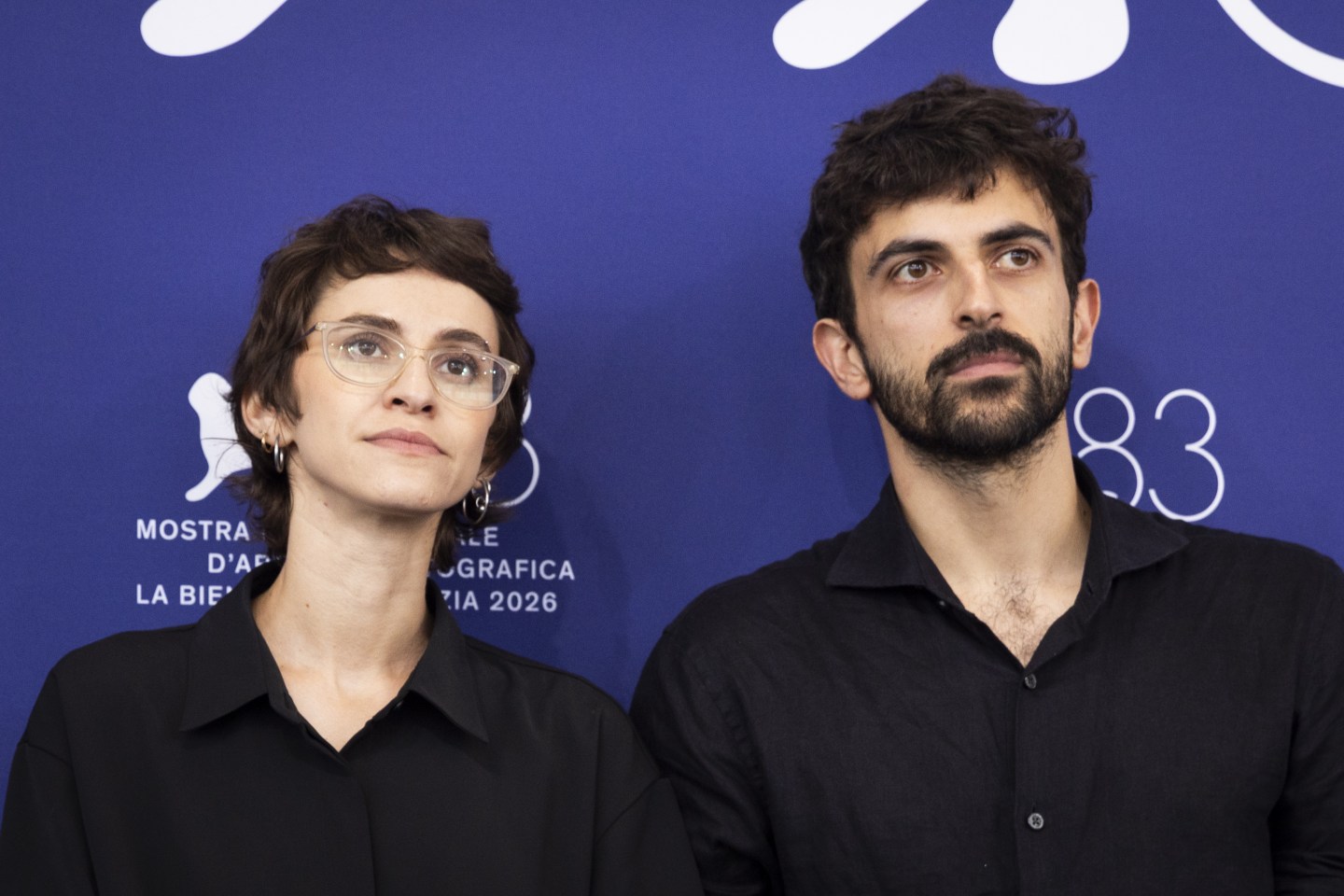
The difficulty in getting these projects distributed is further highlighted by the ongoing geopolitical tension surrounding the Israel-Palestine conflict. Major U.S. distributors are wary of backlash, which has led to fewer films centered on this theme making it to screens. For instance, "NAZA," a documentary film that won the Special Jury Prize at the Venice Film Festival, faces obstacles in finding domestic buyers despite its prestige.
As noted in the report, successful past documentaries like "No Other Land", which won an Oscar yet struggled to find commercial success in the U.S., illustrate the problematic landscape for filmmakers engaged in similar themes.
Meanwhile, a new financing platform called Shooq was introduced at TIFF to assist Jewish creators in overcoming financial hurdles. The platform aims to provide a curated connection between Jewish filmmakers and potential investors, including studios and philanthropists, to facilitate project financing. Ari Pinchot, one of Shooq’s founders, remarked on the need for reliable support for meaningful media creations. This move signals a conscious effort by the Jewish community to cultivate a more agile film financing system amid a shifting industry landscape.
On both sides of the political spectrum, the film industry is witnessing the formation of parallel distribution systems. Palestinian films are adapting their strategies to reach audiences directly, especially younger viewers who demonstrate a growing engagement with these narratives. Distribution organizations like Watermelon Pictures focus on independent releases and are tailoring their outreach to integrate social media as a marketing platform.
In contrast, Israeli filmmakers, such as Avi Nesher, whose work "Our Loves" seeks to present a more nuanced view of recent events, are finding solace within an expanding network of Jewish film festivals that have increased significantly in recent years.
The emerging parallel industries surrounding Israeli and Palestinian films indicate a significant shift in audience dynamics and distribution pathways. While traditional U.S. distribution remains fraught with apprehension, new collaborative efforts and innovative funding solutions represent a response to changing audience attitudes. This may pave the way for broader acceptance of these critical narratives in the future, reflecting a society increasingly willing to engage with diverse stories, regardless of their political implications.
As these films navigate the complexities of securing audiences and distribution, the ongoing cultural dialogue around these narratives will be essential. While mainstream acceptance has not been confirmed, the foundations of a robust film community centered on these stories are increasingly clear.
Entertainment news
EpisodeBreakdown may use automated tools to assist research, drafting, and formatting. Published pages are governed by our editorial and corrections policies, and source links are shown when they are available in the article record.
Discovery source: The Hollywood Reporter. The source identifies where the topic was discovered; EpisodeBreakdown is responsible for the commentary published on this page.
Reader response
Reactions and poll results are based on real reader responses. No account is required.