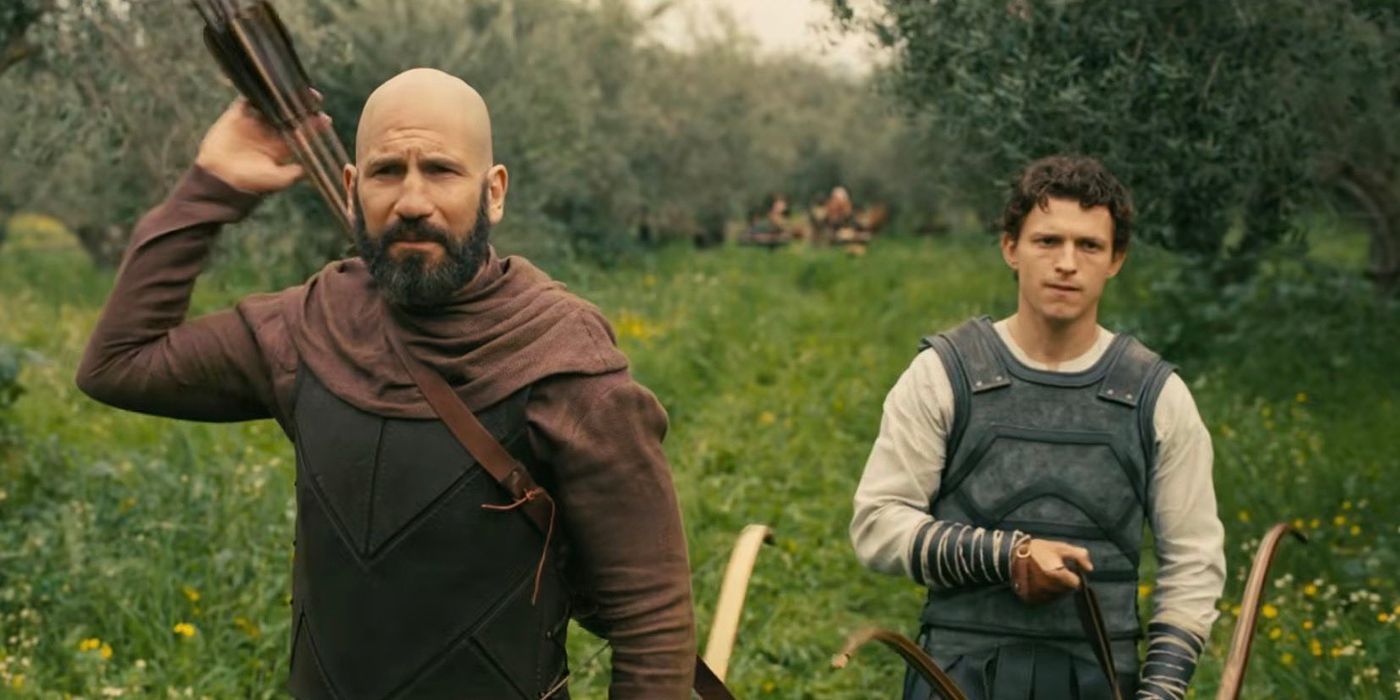
Cinematographer and star Jack Haven discusses the ambitious one-take dance in 'Teenage Sex and Death at Camp Miasma,' revealing its unique vision and execution.
What happened is the cinematographer, editor, and star of Teenage Sex and Death at Camp Miasma, Jack Haven, recently shared insights into a remarkable one-take dance sequence where the character Little Death, played by Haven, goes on a massacre at a summer camp. This discussion was featured in a report by Variety on August 9, 2026, where director Jane Schoenbrun outlined her intended approach, likening it to a Michael Bay film style.
The sequence, which is set to Counting Crows' classic song "A Long December," was praised for its complexity and execution. It showcases a blend of choreography and technical prowess, with notable hidden cuts and seamless transitions between three distinct locations within the camp setting. Haven described how the crew prepared meticulously for this ambitious segment, practicing with a Steadicam to perfect their movements.
Creative Vision Behind the Bloody Dance
Jack Haven explained that Schoenbrun wanted this sequence to stand out stylistically within the film. Cinematographer Eric Yue confirmed that they aimed for a modern aesthetic, distancing it from the typical grainy visuals often associated with the horror genre. He emphasized that the sequence should feel fresh and not anchored in the past, which resonated with Schoenbrun's broader vision of the film as a contemporary take on slasher dynamics.
This perspective is critical, considering the film itself interrogates the legacies of slasher horror, especially how it resonates with queer viewers. The scene compels audiences to experience the film from the killer's perspective, refining the usual narrative lens traditionally associated with horror movies. This shift is likely to invoke a spectrum of reactions, as it flips standard horror tropes on their head.
The Role of Technology and Stunts
The choreography involved substantial physical effort from Haven, who executed complex dance-like movements while managing a heavy rig that included a camera. Each take demanded high levels of precision, requiring numerous attempts to capture the intense ballet-like performance. Maja Aro, the stunt coordinator, meticulously choreographed every moment, emphasizing the idea that the dance is not just about violence, but about artful execution within a horror narrative.
Furthermore, visual effects played a significant role in amplifying the gore and dynamism of the sequence. Yue revealed that they collaborated with the North Vancouver-based agency Niche to enhance the blood splatter and body explosions, creating a stylized, almost playful depiction of violence that aligns with Schoenbrun’s intention of crafting a horror narrative that sits comfortably outside typical realism.
Thematic Implications of the One-Take Dance
The dance sequence serves as a significant narrative pivot within Teenage Sex and Death at Camp Miasma, challenging the viewers' perceptions of protagonists and antagonists in horror films. The film seeks to foster a sense of empathy toward the character of Little Death, ultimately providing a cathartic experience for the audience. Editor Graham Mason noted that the unique presentation invites viewers to reconnect with the character in unprecedented ways, elevating the film's emotional resonance.
As a response to test screenings, the film has been designed to challenge viewers to pay attention and engage with its themes, something reflected not only in the dance sequence but across various elements of the film. This dedication to complex storytelling enriched with visual flair positions Teenage Sex and Death at Camp Miasma as a noteworthy player in contemporary horror cinema.
What this means
The announcement of the one-take dance in Teenage Sex and Death at Camp Miasma illustrates the innovative spirit of the project and showcases how filmmakers are pushing boundaries in genre storytelling. This ambitious sequence not only enhances the film’s physicality but also deepens its thematic engagement with horror tropes and LGBTQ+ narratives, marking a significant development in the genre. As audiences prepare to experience this film, it stands to challenge perceptions of horror and character alignment in unique and provocative ways. For more behind-the-scenes insights, consider reading about Hollywood's Blockbuster Mentality and how these influences shape modern cinematic narratives.
Confirmed Details of the One-Take SequenceCreative Vision Behind the Bloody DanceThe Role of Technology and StuntsThematic Implications of the One-Take Dance
EpisodeBreakdown may use automated tools to assist research, drafting, and formatting. Published pages are governed by our editorial and corrections policies, and source links are shown when they are available in the article record.
Discovery source:Variety. The source identifies where the topic was discovered; EpisodeBreakdown is responsible for the commentary published on this page.
Reader response
What did you think?
Be the first to react
Reactions and poll results are based on real reader responses. No account is required.
Continue the story
movies
Exploring Cinema's Past: Welcome to IndieWire's Sequels Week
IndieWire's Sequels Week delves into the impact and evolution of film sequels, exploring their significance and cultural resonance.Read next →