Ridley Scott's 'The Dog Stars' Set to Release This Month
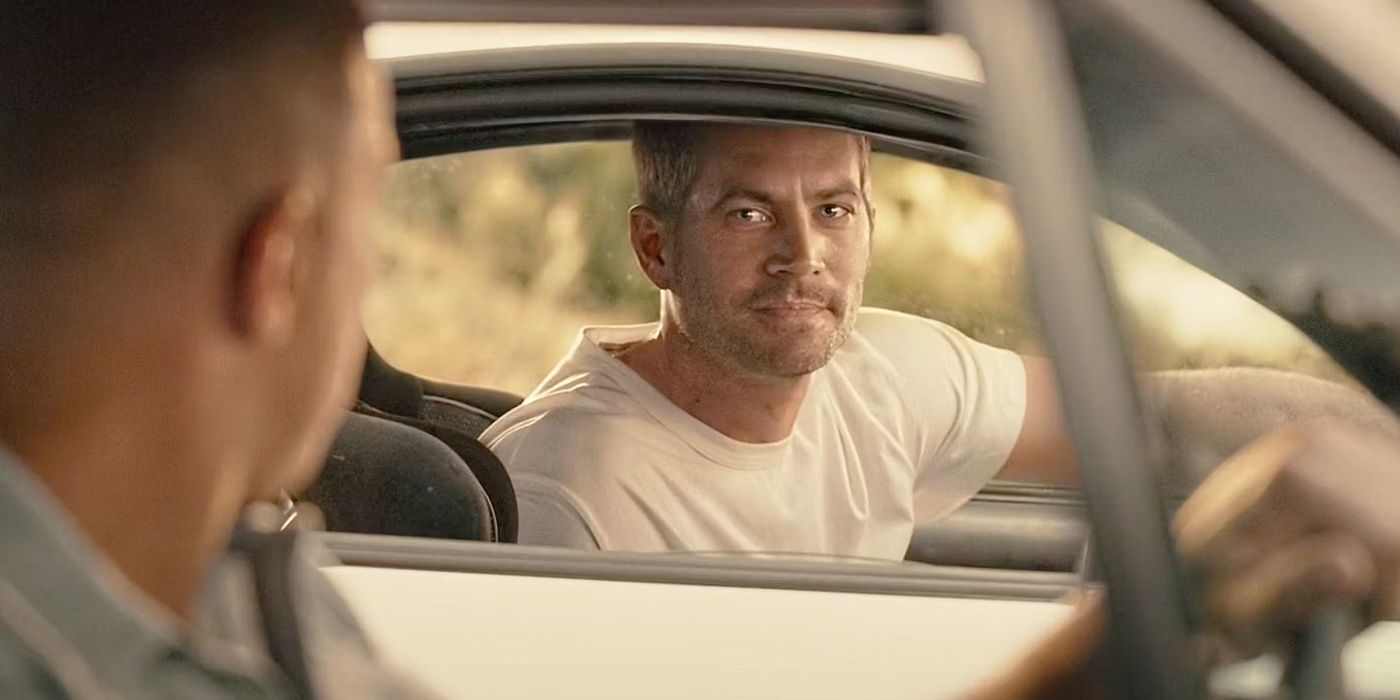
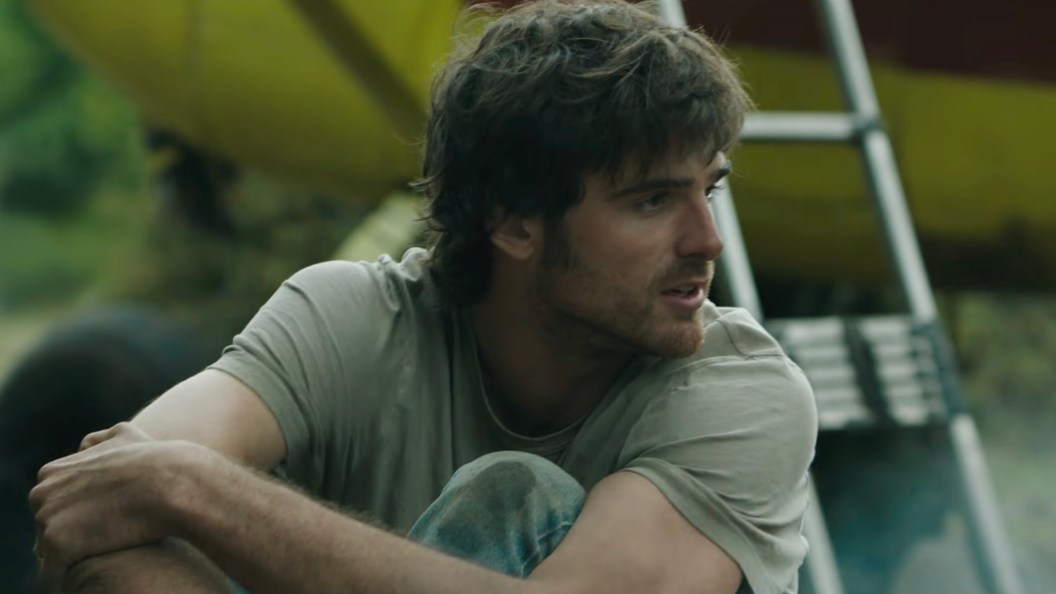
Ridley Scott's long-anticipated post-apocalyptic thriller, 'The Dog Stars,' finally arrives this month after a decade in the making.
James Stewart's final performance as Wylie Burp in 'Fievel Goes West' blends nostalgia and unique storytelling in a Western setting.
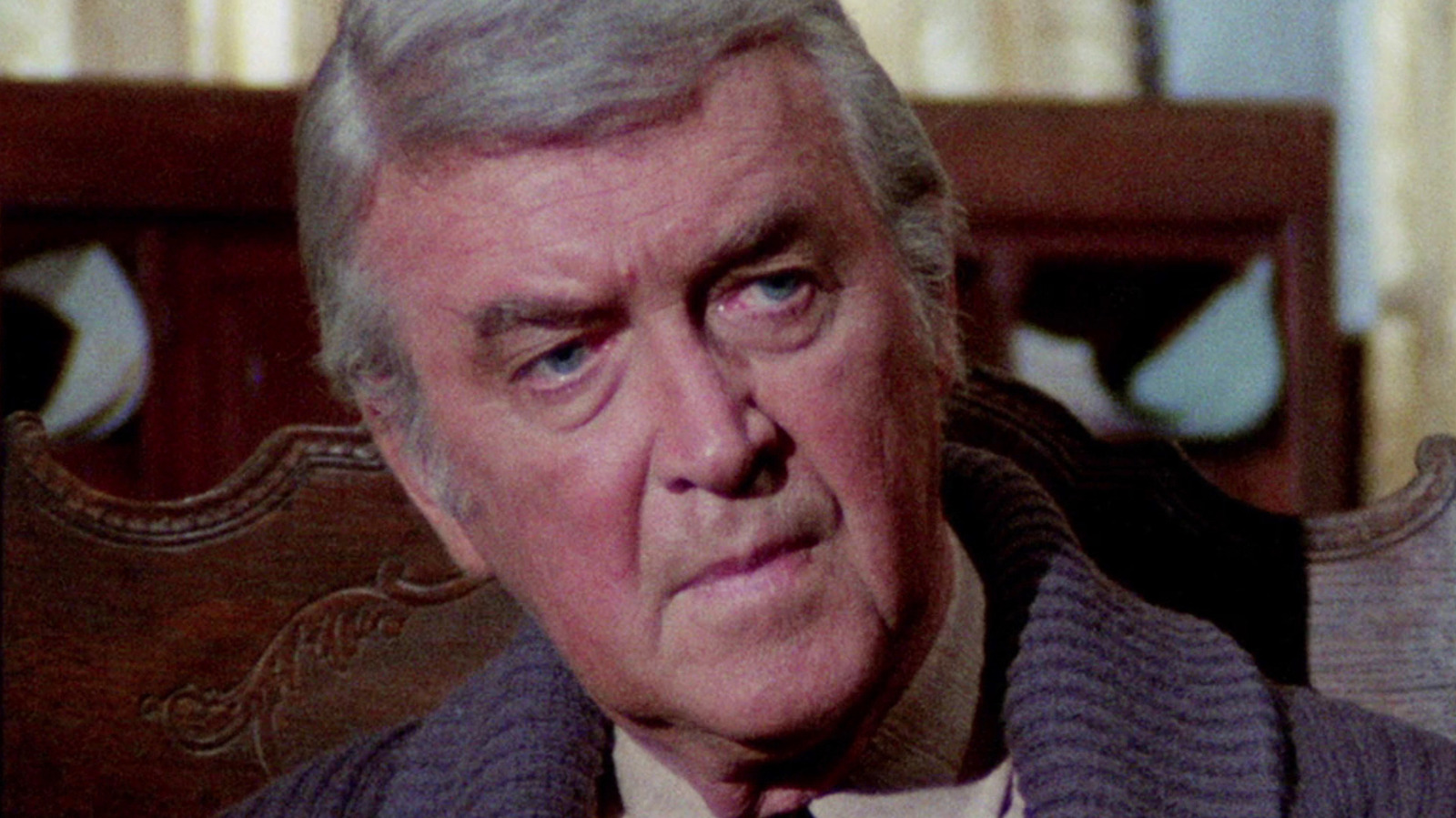
James Stewart's final film appearance came in an unexpected format: the animated Western sequel 'An American Tail: Fievel Goes West.' In simple terms, this film not only showcases the iconic actor's voice but also serves as a poignant entry in both his legacy and the realm of animated storytelling. What happened is that Stewart lent his voice to Wylie Burp, an homage to historical figures, connecting the old guard of Hollywood to a new generation experiencing his work for the first time.
The central question this film raises is: How do we bridge the gap between the nostalgia of classic cinema and contemporary animated storytelling? Stewart's choice to take on the role of Wylie Burp highlights his adaptability and enduring appeal, suggesting that the values represented by his character can resonate across multiple formats and generations.
This film is not merely a continuation of the original 'An American Tail' but a deeper exploration of themes related to immigration, family, and identity. Five years after the first film, the Mouskewitz family finds themselves in a struggling situation in America, countering the optimistic expectations they once had. The weary family ethos depicted in this sequel echoes the complexity of the immigrant experience and serves as a reflective lens on the past.
In 'Fievel Goes West,' the family’s journey to a new frontier mirrors classic Western narratives, yet it contrasts those themes with the struggles of a mouse family. Here, Stewart’s character emerges as a symbol of guidance and nostalgia; he embodies the spirit of an era where Westerns ruled the screen. Wylie's role as a mentor also indicates the importance of learning from the past to navigate present challenges.
Wylie Burp enters the story at a pivotal moment, serving as both a hero and a mentor for Fievel. His character's introduction is crucial; amidst Fievel's struggles, he represents hope and experience. This aligns with the broader theme of mentorship found across Stewart's extensive filmography, where older, sagacious characters guide younger ones.
As the story unfolds, Wylie assists the young mouse with his wisdom, culminating in the climax where Wylie bestows a sheriff's badge on Fievel. This moment is symbolic, signifying the transition of responsibility and leadership to the new generation. It resonates with the idea that, although the challenges change, the essence of courage and determination remains timeless.
The film cleverly intertwines humor and suspense, using elements that foreshadow the challenges Fievel faces in the Old West. The film’s villain, Cat R. Waul, voiced by John Cleese, adds a layer of complexity, representing the ever-present danger facing the mice. Just as Wylie’s history is tied to the legendary Wyatt Earp, so too are the stakes for Fievel—his journey of self-discovery parallels the classic Westerns admired by Stewart.
From the outset, viewers noted Wylie’s juxtaposition against both the protagonist Fievel and the antagonist Waul, creating a multidimensional exploration of American ideals in a narrative designed for children. This complexity serves to both entertain and provoke thought regarding heroism and villainy in an often overly simplistic genre.
The film concludes with Fievel's transformation into a fearless leader under Wylie's watchful eye. This ending, where Wylie places a sheriff’s badge on Fievel's chest, represents continuity—an homage to traditional values reinterpreted through a modern lens. It reflects an ongoing dialogue about identity and responsibility, making Stewart's last performance deeply resonant. It signifies passing the torch in both a literal and metaphorical sense.
Moreover, since Stewart’s character interacts with themes of nostalgia, his role can be interpreted as a reflection on his own career and the legacy he leaves behind. The audience is encouraged to think about the importance of mentorship, leadership, and how stories evolve through generations.
While 'Fievel Goes West' did not achieve the critical success of its predecessor, it remains a cultural artifact of the 90s that speaks to the era's fascination with animation and storytelling. In today’s context, it invites comparisons to other animated works that blend nostalgic themes with modern animation techniques. For instance, classics like 'Toy Story' and 'The Lion King' also explore the dynamic between past influences and the present generation.
Despite its somewhat quiet presence on contemporary streaming platforms, the film still holds nostalgic value for many. It’s a reminder of the time when animated films offered not just entertainment but also lessons in resilience and hope, resonating well beyond the screen.
James Stewart's role as Wylie Burp in 'An American Tail: Fievel Goes West' serves both to encapsulate his storied legacy and to bridge the gap between past and contemporary storytelling forms. The film not only invites viewers to reflect on their own identities but also urges a new generation to recognize the importance of learning from history as they forge their own paths forward. Stewart’s final character embodies wisdom and nostalgia, making his appearance a significant moment in cinema history, and a reminder of how stories can transcend time and format.
Movie explanation
EpisodeBreakdown may use automated tools to assist research, drafting, and formatting. Published pages are governed by our editorial and corrections policies, and source links are shown when they are available in the article record.
Discovery source: Slashfilm. The source identifies where the topic was discovered; EpisodeBreakdown is responsible for the commentary published on this page.
Reader response
Reactions and poll results are based on real reader responses. No account is required.