test
asdasd
Jimmy Kimmel's conflict with the FCC could dramatically reshape late-night television, targeting free speech through regulatory means.
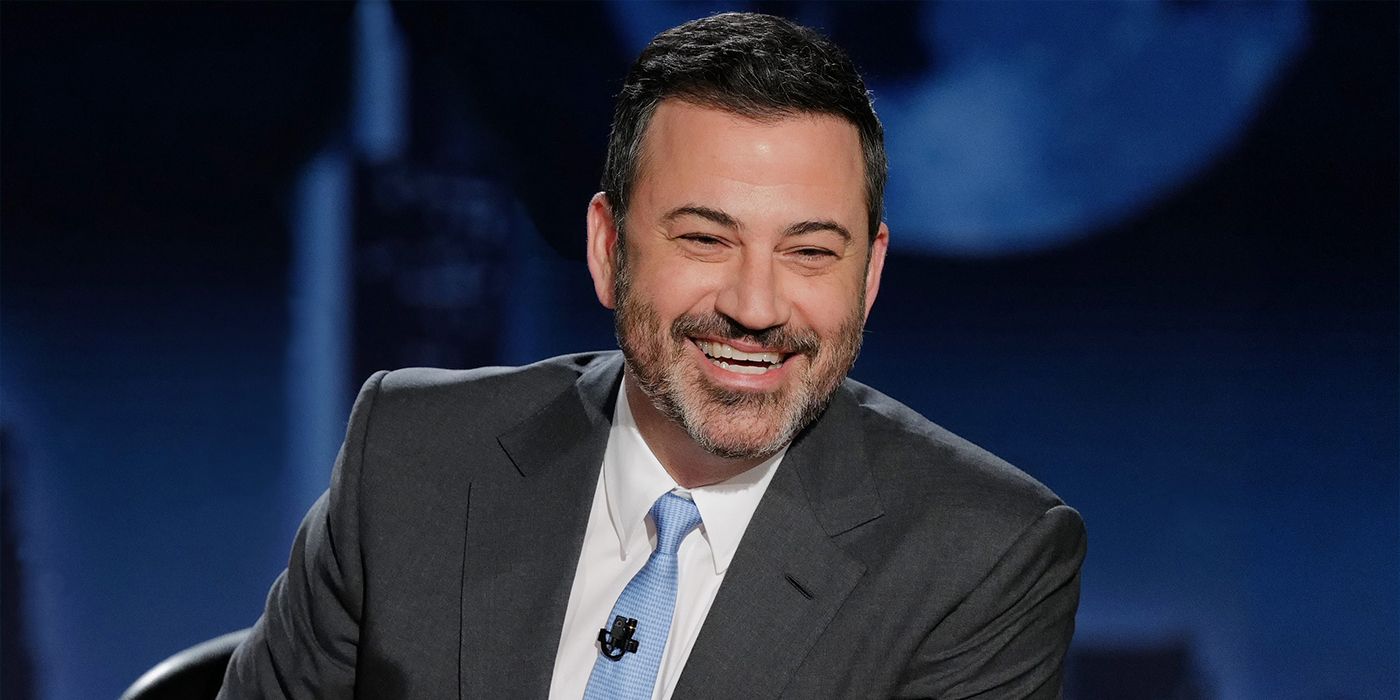
In simple terms, Jimmy Kimmel's ongoing conflict with the Federal Communications Commission (FCC) has the potential to reshape the landscape of late-night television dramatically. While the FCC is reviewing licenses for eight ABC stations due to Kimmel's provocative remarks, the implications stretch far beyond his show. ABC claims this move is a punitive measure for content that the current administration disfavors, raising critical questions about censorship and the freedom of expression in media.
The FCC has historically avoided intervening in the content of television programming, making the initiation of license reviews for ABC stations unprecedented. This scrutiny follows a series of events where Kimmel's humor has drawn the ire of the Trump administration. Specifically, following Kimmel's jokes about Melania Trump and other politically-charged commentary, ABC contends that the FCC's actions are retaliatory.
Kimmel is not isolated in this predicament. ABC's broader statement indicates that other shows, such as The View, could potentially be under threat as well. The network argues that the FCC's actions signal a dangerous precedent for free speech, essentially establishing a climate where media must appease governmental perspectives on what news coverage should look like.
In response to the FCC's license reviews, ABC filed a brief expressing concern over governmental overreach into media censorship. According to the network, the FCC's regulations could lead to a chilling effect on free speech, warning that Kimmel's show and others like The View could find themselves at the crossroads of regulatory scrutiny. This is echoed in the brief's assertion: "The retaliation against ABC is a signal to every media company in the country."
In these legal wranglings, ABC stresses that the freedoms of comedy and opinion programming are essential to a democratic society. The implications of this battle could extend to other networks and shows, amplifying fears that creative expression may be compromised if sustained scrutiny prevails.
The conflict between ABC and the FCC speaks volumes about the changing dynamics of late-night television. Similar issues have arisen in the past year, with shows like The Late Show with Stephen Colbert facing consequences for critical remarks aimed at political figures. This ongoing scrutiny prompts significant anxiety within the entertainment industry, leading many to question whether late-night hosts can continue to freely express their opinions without facing institutional pushback.
The crux of this issue rests not only in Kimmel's right to free speech but also in the broader implications for how content creators across networks can operate. If the FCC successfully imposes regulations on ABC, it could set a dangerous precedent for other networks and media outlets.
Public reaction plays a crucial role in this unfolding narrative. Following Kimmel's initial suspension over his comments on Charlie Kirk, audiences rallied against perceived censorship by canceling subscriptions to Disney+ and Hulu. This grassroots backlash demonstrates the significant relationship between media figures and their audiences. As consumers, viewers value the openness to challenge the status quo through comedy and satire, particularly in politically charged climates.
As the FCC continues to pursue its review, the question remains: how will audiences respond? If viewer engagement fails to wane, this may embolden networks like ABC to stand firm against the FCC’s encroachments.
The stakes in Kimmel's fight with the FCC extend beyond the realms of late-night programming. If the FCC's regulatory efforts are successful, it could usher in an era where late-night hosts are forced to tread carefully, avoiding controversial topics that might invite punitive action.
Moreover, the feedback from former FCC chairs, who labeled the current commission's actions as "an assault on free speech disguised as regulatory process," reinforces the tensions surrounding media and government relations. If the government begins to wield power over content creation, the fabric of creative expression itself could fray, impacting not only late-night television but media as a whole.
In light of these developments, the entertainment community is left grappling with the potential ramifications of increased censorship, a conflict that could redefine how late-night shows engage with political topics moving forward.
Moving forward, the situation remains fluid. The impending license reviews are set to put ABC's legal arguments to the test, with courts serving as the new battleground for this crucial debate on free speech. As the FCC tightens its grip, audiences and industry critics alike are encouraged to engage in discussions surrounding media freedoms and governmental influence over content. The resolutions to these debates will undoubtedly set an important precedent for the future of late-night television, potentially signaling a new era marked by either increased censorship or an unwavering defense of artistic expression.
In conclusion, while Kimmel's clash with the FCC could spell the end of an era for late-night television, it also could galvanize a stronger push for media freedom. The lasting legacy of this conflict could change how future generations experience late-night programming.
Entertainment news
EpisodeBreakdown may use automated tools to assist research, drafting, and formatting. Published pages are governed by our editorial and corrections policies, and source links are shown when they are available in the article record.
Discovery source: Collider. The source identifies where the topic was discovered; EpisodeBreakdown is responsible for the commentary published on this page.
Reader response
Reactions and poll results are based on real reader responses. No account is required.