Spider-Man: Brand New Day's Box Office Marvel
Analyzing the success of Spider-Man: Brand New Day's incredible box office performance and deeper themes.
This article delves into Jude Law's portrayal of Vladimir Putin in The Wizard of the Kremlin, exploring themes, character arcs, and the film's implications.
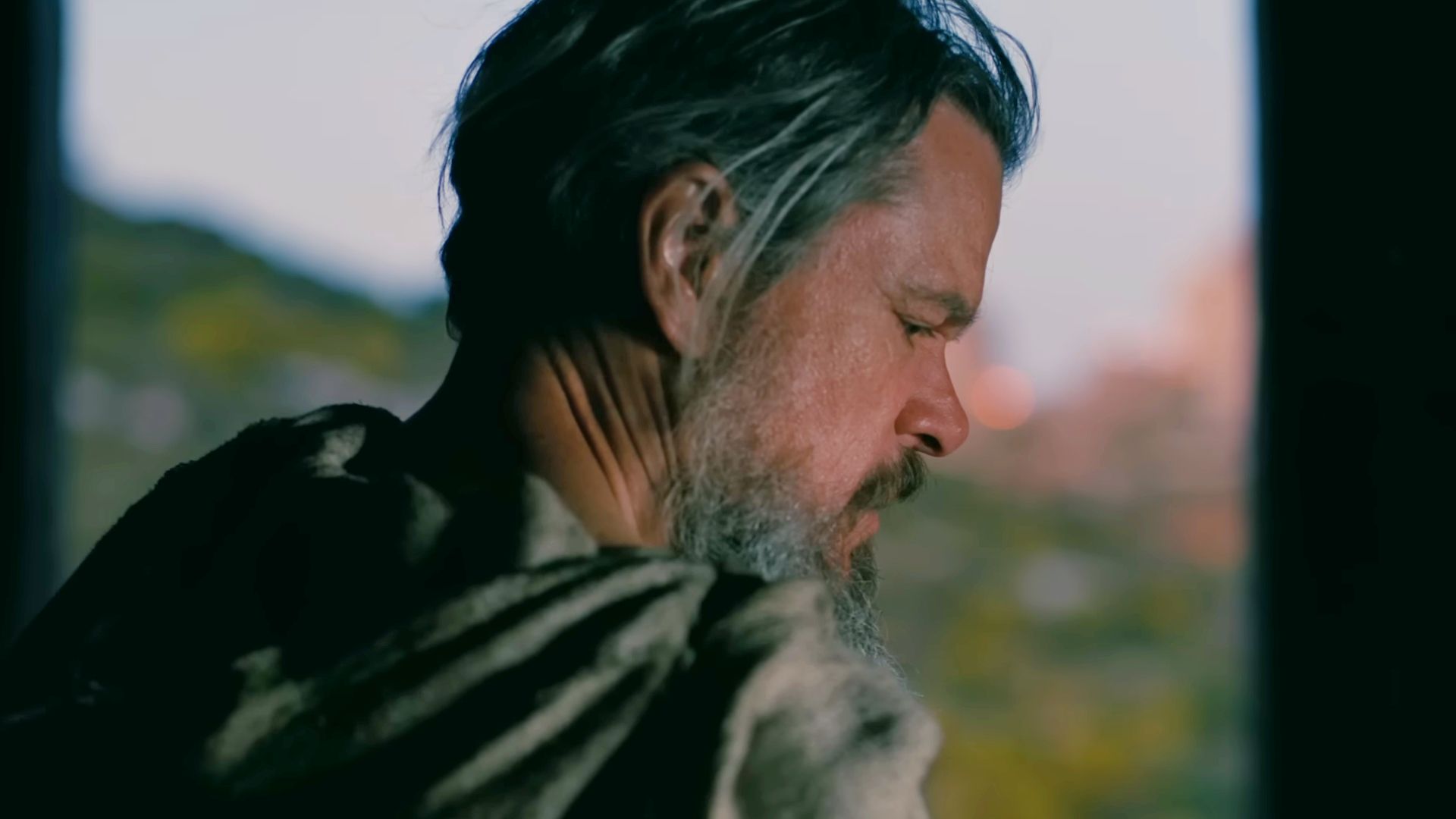
In simple terms, The Wizard of the Kremlin explores the rise of Vladimir Putin through the eyes of a fictional strategist named Vadim Baranov, portrayed by Paul Dano. The film, directed by Olivier Assayas and released on Hulu on August 14, 2025, prompts viewers to consider how power dynamics and political maneuvering shape modern governance amidst post-Soviet chaos.
Here is what is confirmed: the movie is based on Giuliano da Empoli’s book, reflecting deep political intrigue and the complexities of leadership. Jude Law's portrayal of Putin represents not just the man himself but also the multifaceted nature of power and inspiration.
Central to The Wizard of the Kremlin is the theme of power and manipulation. Vadim Baranov’s journey, inspired by real-life political strategist Vladislav Surkov, highlights the calculated decisions that lead to autocratic rule. The film invites viewers to question not just Putin's rise but the societal structures that allow such leaders to flourish.
Early scenes depict Baranov observing and calculating within the chaotic landscape of modern Russia. This backdrop serves as a metaphor for the unpredictable nature of political power, making audiences reflect on the fragility and volatility of democratic ideals in post-Soviet states. It is confirmed that Baranov's strategic mind is the backbone of Putin's ascent, illustrating how visible and invisible threads can be woven together to create an image of strength.
Another focal point in the film is the characterization of Baranov, whose choices drive the narrative. He embodies a blend of ambition and moral ambiguity, often caught between loyalty to his leader and personal convictions. His relationship with Putin evolves as he grapples with the consequences of his manipulative actions.
What remains less certain, however, is Baranov’s ultimate fate. While his role is to orchestrate events for Putin's rise, viewers are left to ponder whether he will successfully navigate the treacherous waters he has chosen. This relationship sheds light on the complexities of mentor-student dynamics in a political context, suggesting that Baranov's influence transcends mere strategizing; it delves into the ethics of power.
The film is deeply enriched by its historical context, situating Putin's rise within broader societal upheaval in Russia. Audiences are invited to witness how historical events can be reinterpreted through a political lens, shaping the narrative’s unfolding. The evident tension between modernity and tradition is palpable as Baranov and Putin maneuver through the remnants of Soviet ideals and aspirations for a new Russia.
Confirming this, the film intertwines flashbacks of historical significance, contextualizing Baranov’s decisions against real-world events. However, the interpretation of these events invites various readings, making it unclear how closely the film mirrors actual history versus dramatized fiction.
As The Wizard of the Kremlin reaches its conclusion, the film emphasizes the cumulative effect of Baranov's decisions. The ending is portrayed as an inevitable outcome guided by the choices of its characters rather than a singular moment of revelation. This thematic closure aligns with the narrative's exploration of the consequences of ambition and strategic manipulation.
It’s confirmed that the ending does not tie everything neatly but rather leaves subtext hanging in the air—invested viewers will wrestle with the moral implications of power. While Baranov's outcome may reflect his staunch loyalty and calculated risks, the implications for society at large are left more ambiguous, inviting audiences to consider the broader repercussions of their leadership.
To further understand the intricacies of power dynamics explored in The Wizard of the Kremlin, viewers may find relevance in comparative titles such as House of Cards or Wag the Dog, both of which delve into political machinations and the personal sacrifices made in the pursuit of power. These films will provide a layered understanding of the themes at play in Assayas's portrayal of post-Soviet politics.
The release of The Wizard of the Kremlin offers a critical lens on modern governance, encouraging a nuanced discussion about the nature of power and manipulation in contemporary politics. As Hulu continues to expand its platform with provocative narratives, this film positions itself as a commentary not just on a political figure but also on the societal consequences of autocratic leadership. It compels viewers to ask difficult questions about the future of governance and individual roles within it. With Jude Law's compelling performance and a gripping storyline, the film promises to be a significant addition to the discussions surrounding political drama in cinema today.
For further exploration of similar themes, readers may also find interest in Analyzing the Best Warner Bros. Movies of All Time or What To Watch Saturday: Riverdale Stars In Movies. These discussions can offer additional insights into how popular media reflects and shapes political narratives.
Movie explanation
EpisodeBreakdown may use automated tools to assist research, drafting, and formatting. Published pages are governed by our editorial and corrections policies, and source links are shown when they are available in the article record.
Discovery source: ComingSoon. The source identifies where the topic was discovered; EpisodeBreakdown is responsible for the commentary published on this page.
Reader response
Reactions and poll results are based on real reader responses. No account is required.