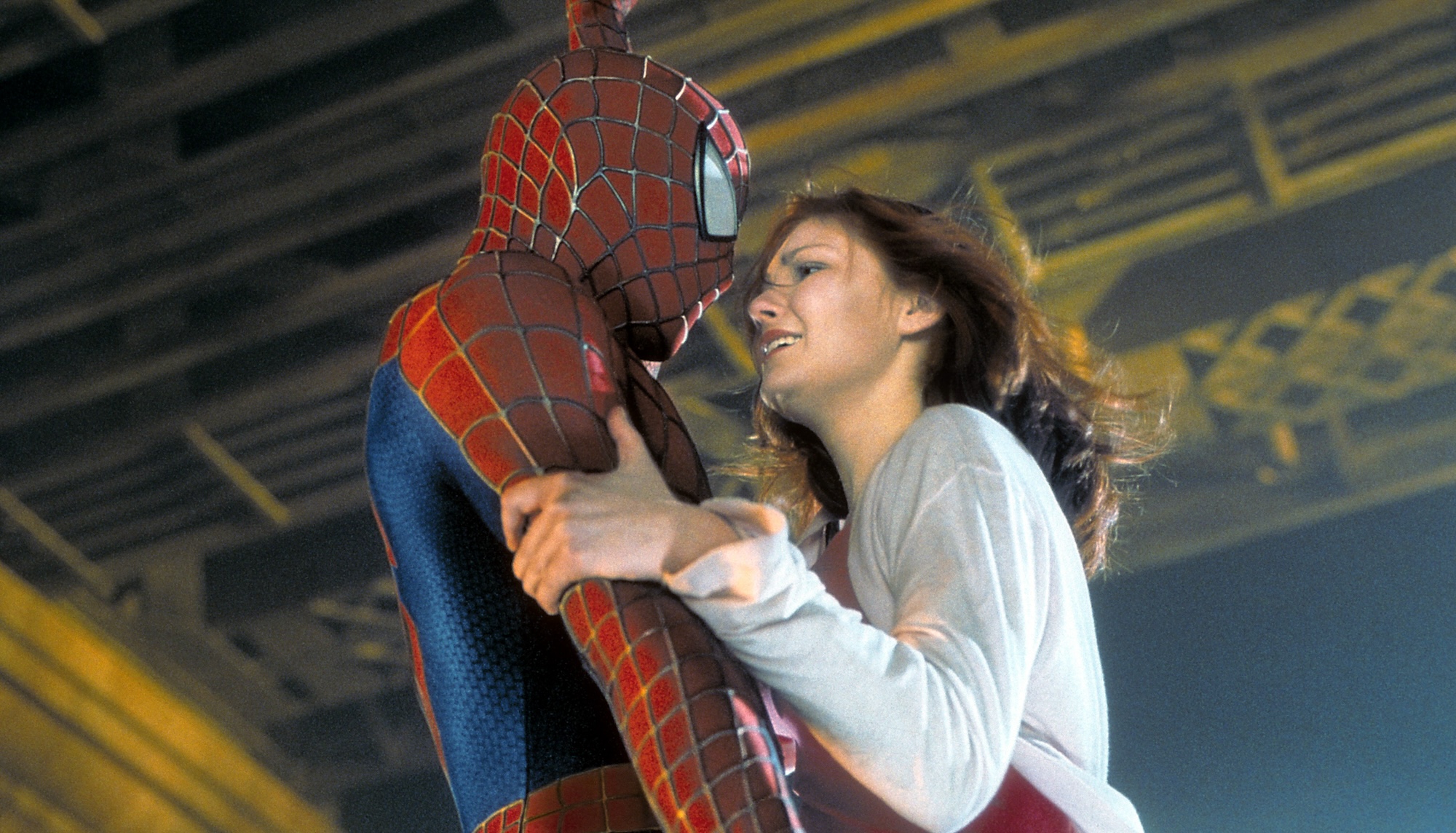
Spider-Man: Brand New Day Revives Organic Web-Shooters Debate
Spider-Man: Brand New Day brings back organic web-shooters, reframing a decades-old debate with humor and style, engaging both fans and newcomers.
Juliette Lewis analyzes her role in Cape Fear and the series that revisits its themes of evil and justice.
The central question of Martin Scorsese’s 1991 thriller Cape Fear revolves around the moral ambiguities of justice and vengeance. Specifically, it asks: How far is one willing to go to seek justice? This question is not just pivotal to the film’s plot but continues to resonate in the recent Apple TV series adaptation, enriched by Juliette Lewis’s return in a different role.
In simple terms, both versions of Cape Fear explore the blurred lines between victim and perpetrator, introducing complex emotional landscapes where characters cannot be easily classified as wholly good or evil.
A key turning point in Lewis's portrayal of Dani in the original film and her new role as Crystal Cady in the series is the inherent contrast between innocence and malevolence. In the film, her character is a victim caught in Max Cady’s (Robert De Niro) web of psychological torment. As an adult, Lewis reflects on her role in the 1991 adaptation, emphasizing that she embodied a character who was more than just a victim. Known for her strong performances, the range Lewis displays as Dani contrasts sharply with Crystal's darker, more complex motivations in the series.
In the series, Crystal serves as the half-sister of Max Cady, played by Javier Bardem. The character’s gradual reveal—keeping audiences guessing about her true intentions—mirrors the thematic undercurrents of stalking and obsession that were central to the original film. Both characters exist on the periphery of moral judgment, pushing the audience to question their allegiances. This multifaceted exploration of family ties and psychological manipulation not only reinforces the original film’s themes but extends them into new narrative territories.
Both narratives culminate in explosive confrontations on a houseboat, where the environment itself becomes a character. This setting is symbolic, representing both isolation and the convergence of unresolved familial issues. The houseboat serves as a realm where the chaos of emotional confrontations can explode without oversight, amplified by the themes of captivity and escape.
The original Cape Fear portrays a classic tale of revenge, where Cady seeks to destroy the family of the man who imprisoned him. In contrast, the series adapts this setup with layers of psychological thriller, presenting Cady's sister as a shadowy figure who complicates his already tumultuous journey. The series amplifies the original’s Gothic roots, ensuring that the environmental storytelling stays relevant and immersive for contemporary audiences.
Lewis’s reflections in her recent interview highlight another crucial theme: the destructive pursuit of vengeance. The interplay between Max and Crystal extends the conversation about familial bonds fraught with underlying intentions. Both siblings are haunted by their past, resulting in an operatic clash filled with unresolved tension that reflects broader existential themes of good versus evil.
Moreover, the narrative explores nuanced portrayals of both characters as they reach a crescendo of conflict. The layers of jealousy, rivalry, and twisted sense of loyalty further complicate the previously established dynamics seen in the original film.
Juliette Lewis's retrospective reveals insights into her collaborative experiences while working alongside notable talent. In her initial portrayal of Dani, Lewis describes her interactions with De Niro, emphasizing the importance of professionalism on set. This insight into the relationship dynamic underscores the foundational elements of performance in high-stakes narratives and informs the intensity both Lewis and Bardem bring to their roles in the series.
Her mastery in maintaining secrecy about her character's identity during filming demonstrates her commitment to preserving the integrity of storytelling in television today, a stark contrast to the open script format of traditional film narratives.
In both adaptations, the endings serve not just as resolutions but also as philosophical conclusions to the journeys of each character. While Crystal's presumed death in the series comes as an emotional anchor, it echoes the violent deaths and tragic fates in the narrative landscape of Scorsese's initial film. Such endings force the viewer to grapple with the consequences of vengeance and the cost of unresolved trauma.
The finale's dramatic culmination allows for contemplation of what constitutes a triumph or a failure, leaving viewers pondering the real definition of justice. In revisiting these complex characters and their motivations, both the film and series provoke thoughtful discussions about morality in a world rife with ambiguity.
The dual exploration of themes in both Cape Fear and its Apple TV counterpart highlights the complexity of human behavior, often orbiting the ideas of justice and revenge. Juliette Lewis’s reflections not only bring to light the significance of her contributions to both projects but further illuminate the lasting impact of these narratives on audiences. With modern adaptations evolving alongside societal changes, the conversations around fear, trauma, and morality remain profoundly relevant in today’s context. As viewers contemplate these enduring themes, the question remains: Can true justice ever be realized?
For deeper exploration of themes surrounding vengeance and morality, check out articles like Taylor Sheridan's Lioness: An In-Depth Analysis and Exploring the Emotional Depth of Spider-Man: Brand New Day’s Hospital Scene.
Movie explanation
EpisodeBreakdown may use automated tools to assist research, drafting, and formatting. Published pages are governed by our editorial and corrections policies, and source links are shown when they are available in the article record.
Discovery source: IndieWire. The source identifies where the topic was discovered; EpisodeBreakdown is responsible for the commentary published on this page.
Reader response
Reactions and poll results are based on real reader responses. No account is required.