test
asdasd
Kate Mulgrew champions "Counterpoint" as her favorite episode, highlighting Captain Janeway's emotional depth.
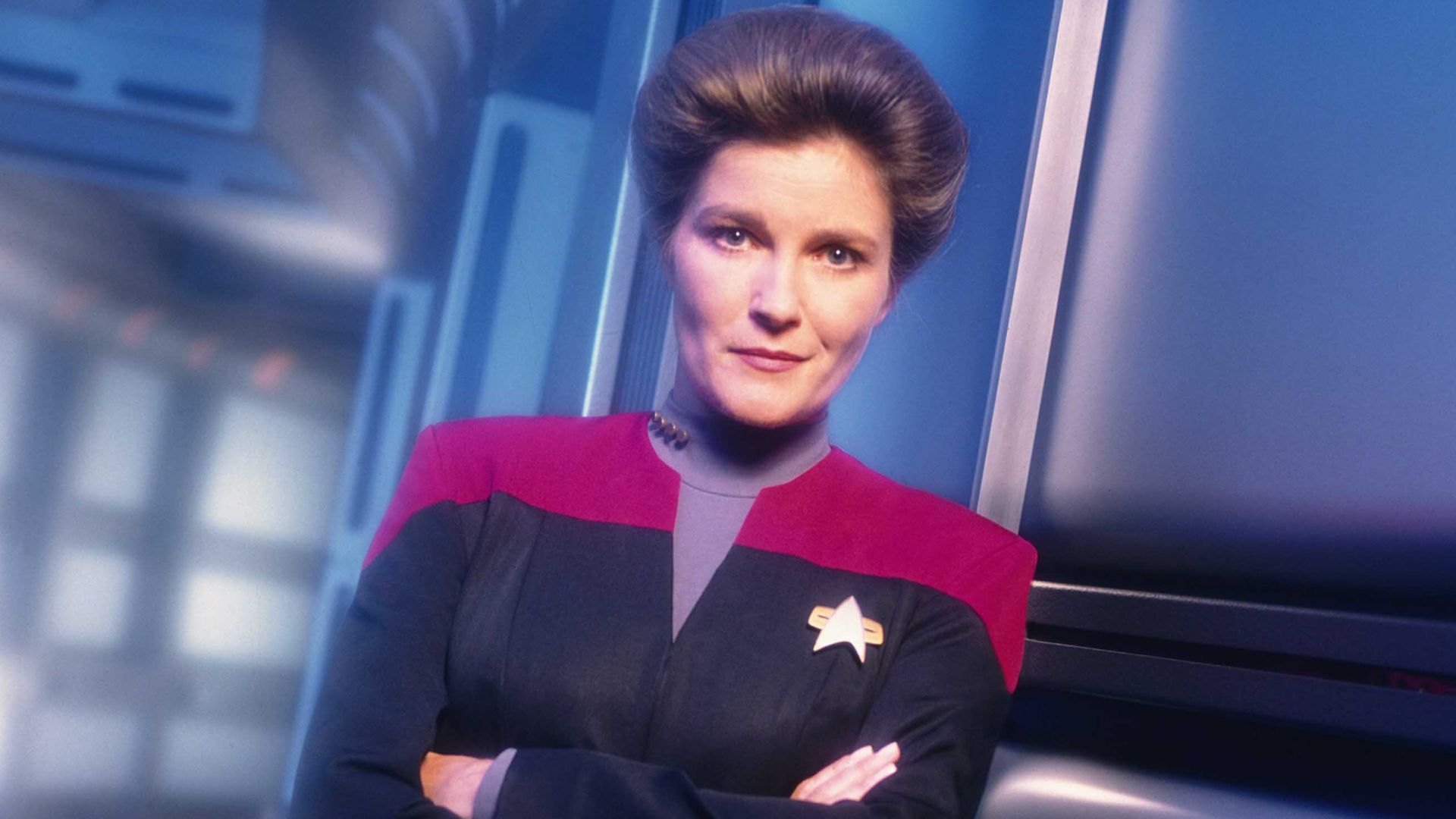
In simple terms, Kate Mulgrew, the iconic actress behind Captain Kathryn Janeway in Star Trek: Voyager, has unequivocally named "Counterpoint" as her favorite episode from the series. This choice is rooted in how the episode delves into Janeway's emotional complexity and showcases her creativity. Released 28 years ago, the episode continues to resonate with fans for its rich character study and high-stakes scenarios.
"Counterpoint" stands out as one of the most remarkable episodes in Star Trek: Voyager, offering a nuanced portrayal of Captain Janeway that transcends the usual tropes of leadership seen within the franchise. Throughout much of the series, Janeway is depicted as a strong and authoritative figure, often exhibiting professional detachment to maintain command. However, this episode peels back layers of her character, allowing viewers to witness her psychological struggles and emotional vulnerability when faced with complex dilemmas.
Mulgrew has noted that this episode allowed her to explore Janeway in a way that she found liberating, even going so far as to kiss the script after reading it for the first time. This emotional engagement has undeniably influenced how fans perceive the character, converting what might be a standard adventure episode into a profound exploration of identity and duty.
One of the episode's central themes involves Captain Janeway grappling with the duality of her responsibilities as both a leader and an individual with personal emotions. Her mission to transport telepaths through Devore-controlled space places her in precarious circumstances, where she must utilize not only her tactical acumen but also her emotional intelligence.
Initially, Janeway's typical collaborative leadership style is challenged by the necessity to act independently and in secrecy. This shift in dynamic is evident when she must engage with Inspector Kashyk, who becomes both an ally and a potential adversary. Their connection complicates Janeway's ability to make ethically sound decisions, ultimately showcasing the conflict between personal feelings and professional obligations.
Unlike traditional villains in the Star Trek canon, Inspector Kashyk represents an intellectual challenge rather than a physical threat. His appreciation for art and history aligns him with Janeway in crucial ways, allowing for a unique bond to develop between them over classical music and shared values. The emotional tension that arises from their interactions drives the narrative, evoking both trust and suspicion.
When Kashyk initially shows interest in Janeway, it feels professional but quickly becomes more personal. This relational complexity urges Janeway to reconsider her emotional boundaries, making her a more relatable and multifaceted character. Their moments together not only serve as tension-filled exchanges but also as a conduit for Janeway’s internal conflict and growth.
As the plot unfolds, the stakes escalate when it becomes clear that Janeway's trust in Kashyk may be misplaced. Despite their romantic tension, the episode culminates in betrayal as Kashyk reveals the telepaths' presence to the Devore inspectors. It is in this moment that Counterpoint encapsulates the ambivalence of human emotions—Janeway experiences a mixture of love, trust, and ultimately heartbreak.
However, even in betrayal, Kashyk’s decision to allow Janeway and her crew to escape showcases the complexity of his character and the depth of their dynamic. This leads to a moment of mutual understanding and respect between the two, leaving viewers questioning the nature of trust and connection amid adversity.
Star Trek: Voyager has often been overshadowed by its predecessors in the franchise. Yet episodes like "Counterpoint" exemplify the series' capacity for intricate storytelling and character development. This episode marks a turning point not just for Janeway but for the series as a whole, highlighting the show's ability to tackle emotional narratives that elevate the broader theme of exploration.
Mulgrew’s endorsement of "Counterpoint" as a standout episode has sparked renewed interest in the complex portrayal of female leaders in science fiction. It emphasizes that character depth can be layered, even in a series renowned for its action-driven plots. This evolution contributes to ongoing discussions around representation in media and the portrayal of female characters in leadership roles.
For fans interested in a deeper dive into Star Trek: Voyager and its important themes, consider exploring The Cult Comedy Series Whose Fans Brought It Back 27 Years Later or Ranking the 10 Most Perfect Sci-Fi Shows of the Last 30 Years.
In summary, "Counterpoint" remains a seminal episode in Star Trek: Voyager that showcases not only Kate Mulgrew's capabilities as an actress but also the emotional depth of Captain Janeway as a character. The blend of manipulation, duty, trust, and betrayal within the episode reflects the complexities of leadership. Mulgrew’s recognition of the episode’s impact illustrates its ability to resonate with audiences even decades later. While the exploration of Janeway's character has been richly detailed, viewers may still wonder how her arc continues to influence discussions on leadership and emotional intelligence in modern storytelling.
{
"title": "Understanding Kate Mulgrew's Favorite Star Trek Episode",
"description": "Discover why Kate Mulgrew cites 'Counterpoint' as her favorite Star Trek episode, highlighting emotional depth and character complexity.",
"keywords": ["Star Trek Voyager", "Captain Janeway", "Kate Mulgrew", "Counterpoint episode", "emotional complexity"]
}
Episode breakdown
EpisodeBreakdown may use automated tools to assist research, drafting, and formatting. Published pages are governed by our editorial and corrections policies, and source links are shown when they are available in the article record.
Discovery source: CBR TV. The source identifies where the topic was discovered; EpisodeBreakdown is responsible for the commentary published on this page.
Reader response
Reactions and poll results are based on real reader responses. No account is required.