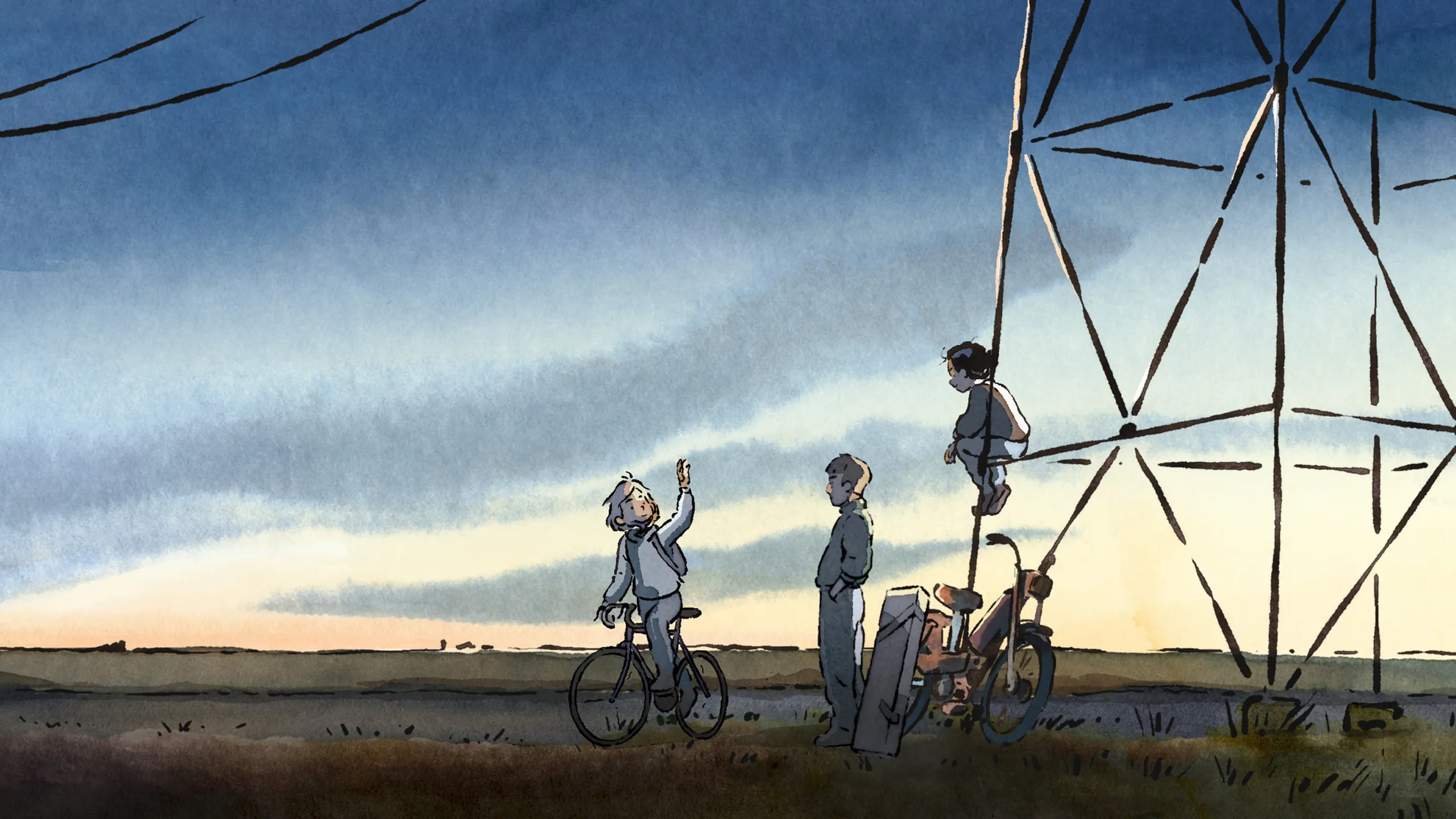
‘Paper Tiger’ and ‘Musk’ Documentary Featured at 2026 SFIFF
The 2026 Santa Fe International Film Festival showcases key titles including 'Paper Tiger' and 'Musk', marking an exciting lineup for this year.
In a recent interview, Duane 'Keffe D' Davis asserts his innocence regarding Tupac's murder, despite his conviction for the crime.
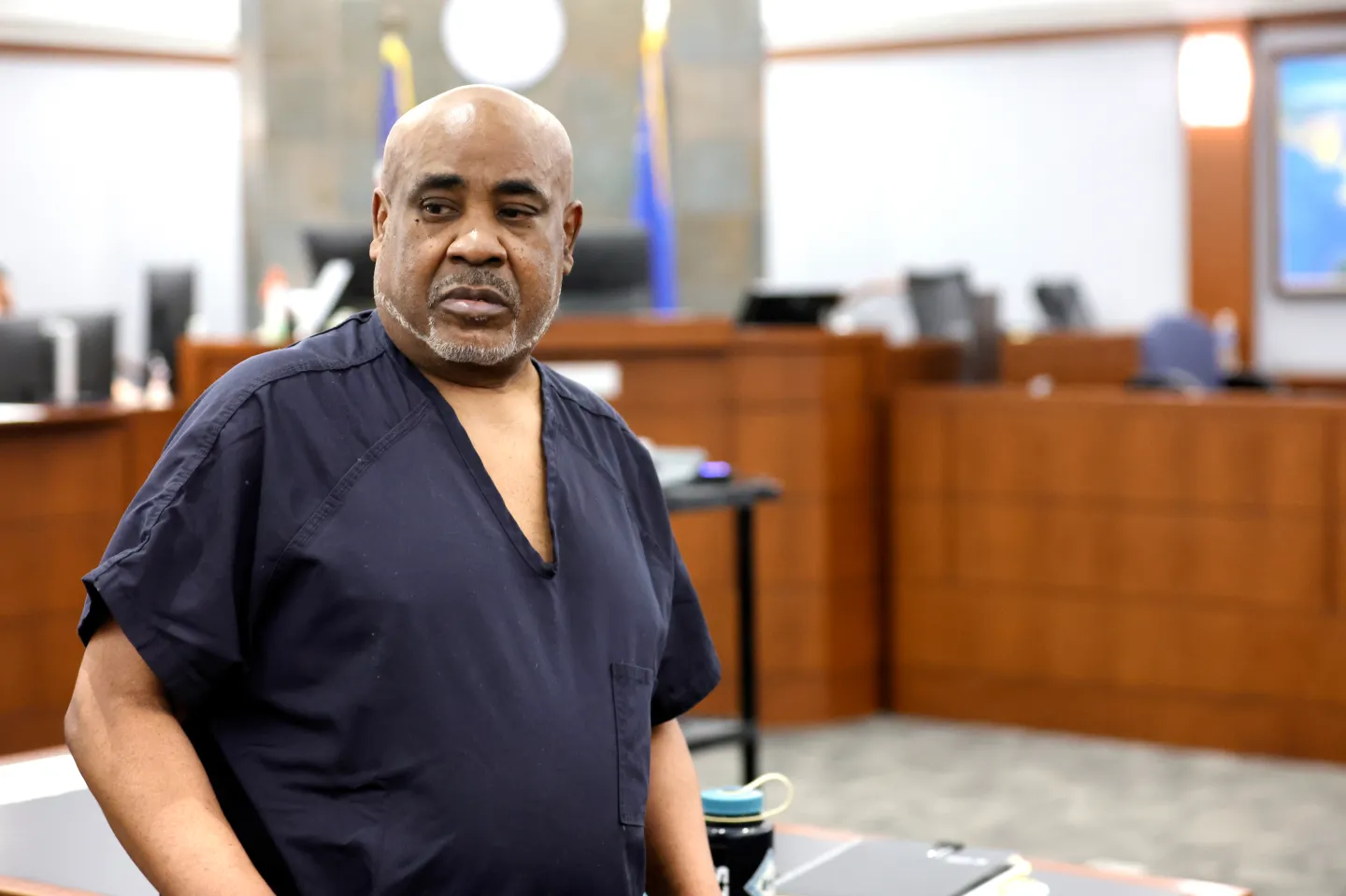
Duane "Keffe D" Davis, convicted of first-degree murder in the 1996 killing of Tupac Shakur, maintains his innocence in an exclusive jailhouse interview with The Hollywood Reporter, published on September 5, 2026. Davis expresses little concern about his life sentence, claiming, "I’m a good man. I’m a good person."
Davis was found guilty following a jury trial that culminated in a verdict just two hours after deliberation on August 31. This ruling marks a significant development in a cold case that has haunted the music industry for decades and highlights the ongoing issues surrounding celebrity violence and justice. Shakur was shot multiple times in Las Vegas, a crime laden with numerous theories and speculations regarding its execution and motives.
In the interview, Davis claims that he is appealing the decision, citing alleged violations of his civil rights during the trial. He explicitly refutes the narratives surrounding his role in the murder, describing his earlier televised admissions and published accounts as exaggerated attempts to avoid other legal troubles.
During the interview, conducted via video terminal from the Clark County Detention Center, Davis appeared composed and charismatic, insisting that he was not even present in Las Vegas on the night of the murder. He maintains that, despite being implicated in various media, he is innocent and claims his statements were misinterpreted or coerced.
Davis states, "We didn’t do that shit, dog," denying participation and criticizing a prosecution witness, Reggie Wright Jr., for alleged bias in his testimony. Davis denied accusations regarding financial negotiations connected to Sean Combs and highlighted that he sought assistance from Combs and Dr. Dre without success.
Davis’s assertions may resonate with certain audiences familiar with the lore surrounding Tupac Shakur and the infamous figures of the 1990s rap scene. His case delves into themes of justice, celebrity culture, and the social complexities entwined in high-profile murders. While some may view his claims as attempts to manipulate the narrative, his unique position as a figure in both the criminal and entertainment worlds offers a complex landscape for understanding his latest statements.
Davis is set to be sentenced on October 13, which will determine the length of time he has left to appeal his case. The outcome could have significant implications for ongoing discussions about unresolved crimes and public perceptions of justice in the music industry. The interview has garnered attention not only for its revelations but also for its potential to prolong discussions surrounding Tupac's legacy and unsolved murder.
Duane "Keffe D" Davis's insistence on his innocence in the murder of Tupac Shakur adds another chapter to a decades-long saga that continues to captivate audiences. As he prepares to appeal his conviction, the public remains intrigued by the intertwining narratives of crime and celebrity that remain unresolved. The forthcoming sentencing may serve as a crucial step in either solidifying Davis's current status or igniting new discussions about accountability and truth in one of hip-hop's most enduring mysteries.
Entertainment news
EpisodeBreakdown may use automated tools to assist research, drafting, and formatting. Published pages are governed by our editorial and corrections policies, and source links are shown when they are available in the article record.
Discovery source: The Hollywood Reporter. The source identifies where the topic was discovered; EpisodeBreakdown is responsible for the commentary published on this page.
Reader response
Reactions and poll results are based on real reader responses. No account is required.