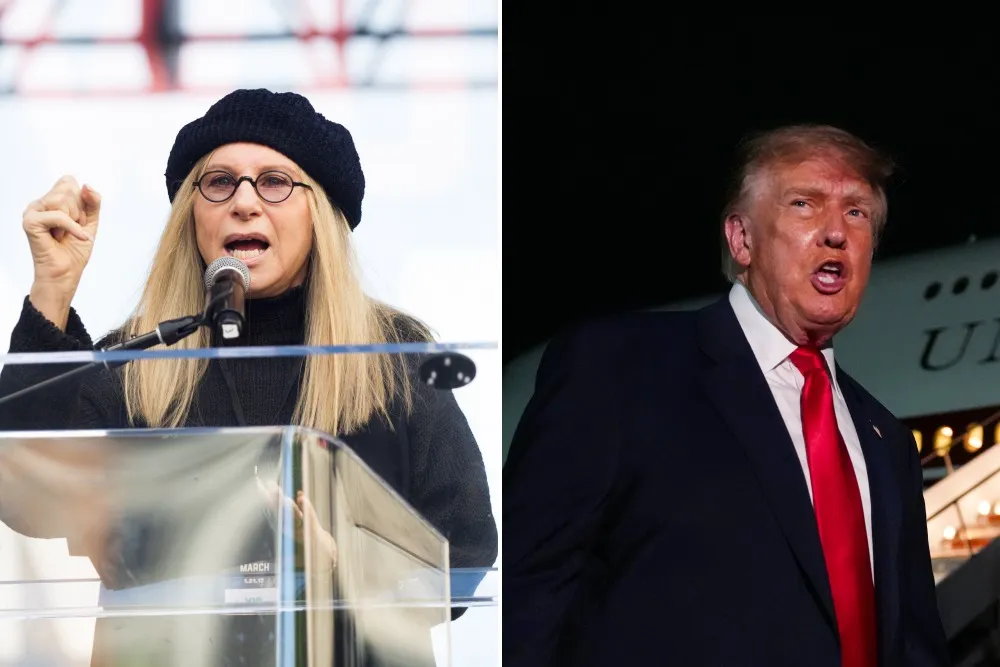
San Sebastián 2026 Film Festival Highlights Big Names and Premieres
The San Sebastián Film Festival runs from Sept. 18-26, 2026, showcasing stars like Brad Pitt and Penélope Cruz alongside new films from major directors.
A federal judge mandates the Kennedy Center provide advance notice of demolition plans amid President Trump's comments.
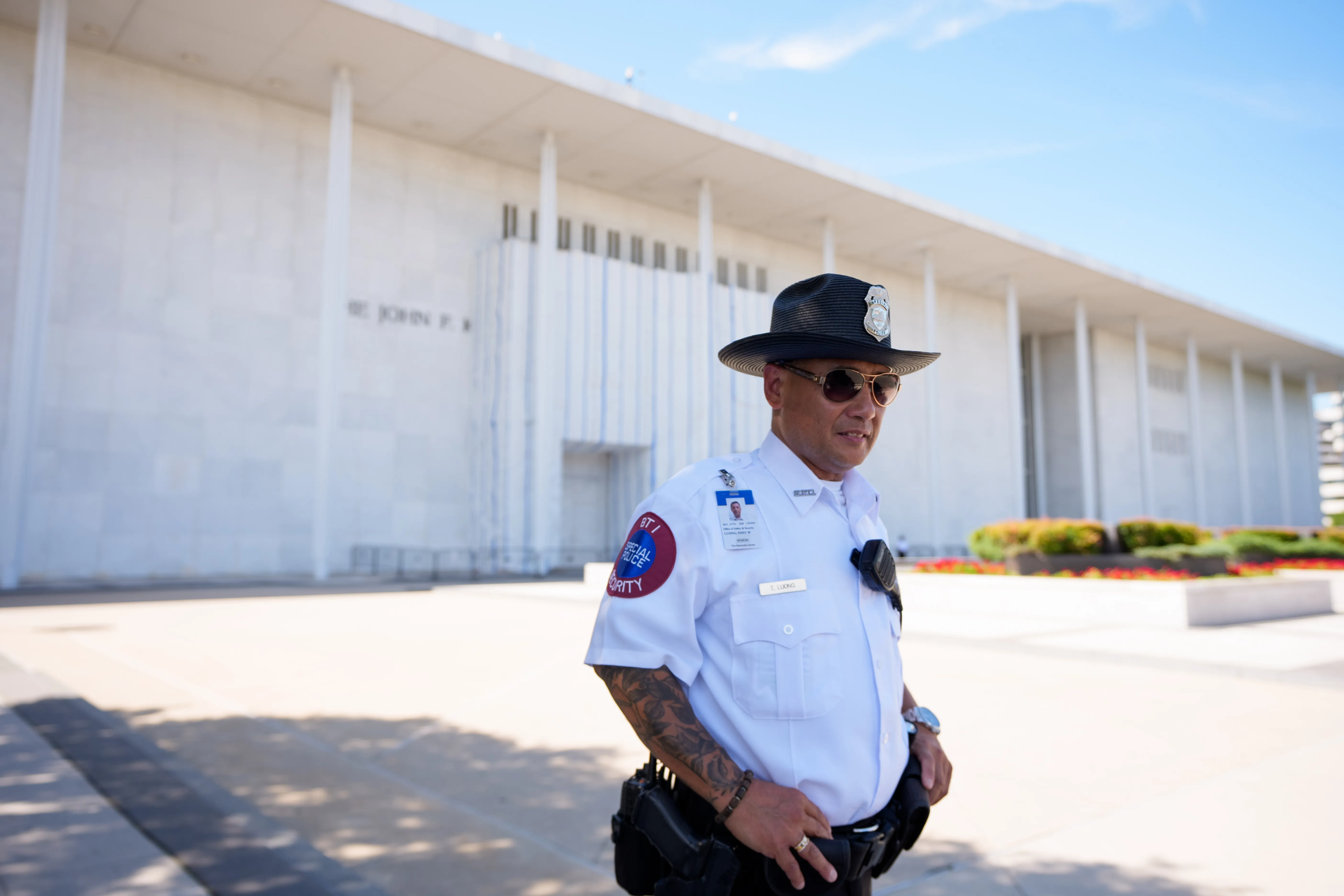
A recent ruling from U.S. District Judge Christopher Cooper states that the Kennedy Center must give the court 30 days' notice before pursuing any demolition plans for the complex. Judge Cooper's order comes on the heels of President Donald Trump's statements regarding the center, where he suggested it might be “ripped down” unless a renovation plan receives approval. This decision adds a significant legal layer to the ongoing discourse surrounding the center's future, specifically amid concerns raised over its maintenance and operational viability.
President Trump made headlines when he remarked that the Kennedy Center could face demolition due to its financial troubles if a renovation is not handled correctly. According to Deadline, he emphasized that recognition should be granted to his administration should they take on the center's revitalization efforts. His remarks sparked immediate legal action, leading to the judge's requirement for advance notification before any destruction can commence. This directive reflects the court's intention to protect the historic institution from abrupt actions that could undermine its cultural significance.
The backdrop to Judge Cooper's order involves an intricate legal landscape surrounding the Kennedy Center's operational status and potential renovations. Following the President’s provocative comments, representatives like Rep. Joyce Beatty (D-OH) have filed motions in court challenging plans for both the center’s closure and any attempts to inscribe Trump's name on the building. Beatty's team argues that the current discussions about a two-year closure violate existing judicial orders requiring a thorough analysis of the impact on the center during renovations.
The recent ruling comes after a temporary closure of the center, attributed to safety issues following structural assessments that revealed considerable deterioration. This has been compounded by an incident where a substantial piece of ceiling plaster fell, raising public safety concerns. Amid the ongoing legal maneuvers, the Kennedy Center’s attorneys contended that the closure was a necessary precaution and that it was not violating the judge's previous orders regarding its operational status.
The implications of this ruling extend beyond mere legal formalities. The requirements imposed by the court present a significant hurdle for any plans regarding demolition. Furthermore, the nature of Trump's commentary about the Kennedy Center hints at a potential conflict between political motives and cultural preservation. While Trump insists that his administration be recognized for any positive changes, Beatty and other stakeholders highlight the importance of preserving the Kennedy Center as a vital cultural institution, free from political influences tied to its name.
Given the tension between the administration and members of Congress, the ruling ensures a longer examination period for all parties involved. The court's insistence on notification helps in setting a precedent that any drastic changes to the Kennedy Center must undergo scrutiny from the judicial system.
This ruling likely serves as a protective measure for the Kennedy Center, allowing stakeholders ample time to voice their concerns regarding any major changes, including potential demolition. The interplay between Trump's renovation plans and ongoing legal challenges signals a contentious period ahead for the center, as various voices within Congress and legal representatives continue to negotiate its operational future.
The attention generated by this case may influence how the public perceives the need for cultural institutions to remain protected from political agendas, and will undoubtedly keep the Kennedy Center at the forefront of national discourse surrounding arts, culture, and governance.
For further updates on this developing story, stay tuned to Deadline for comprehensive coverage.
Additionally, this landscape reflects a prior context of discussion on how institutions like the Kennedy Center navigate financial difficulties, especially amidst political shifts, highlighting the importance of keeping cultural landmarks secured and respected.
Entertainment news
EpisodeBreakdown may use automated tools to assist research, drafting, and formatting. Published pages are governed by our editorial and corrections policies, and source links are shown when they are available in the article record.
Discovery source: Deadline. The source identifies where the topic was discovered; EpisodeBreakdown is responsible for the commentary published on this page.
Reader response
Reactions and poll results are based on real reader responses. No account is required.