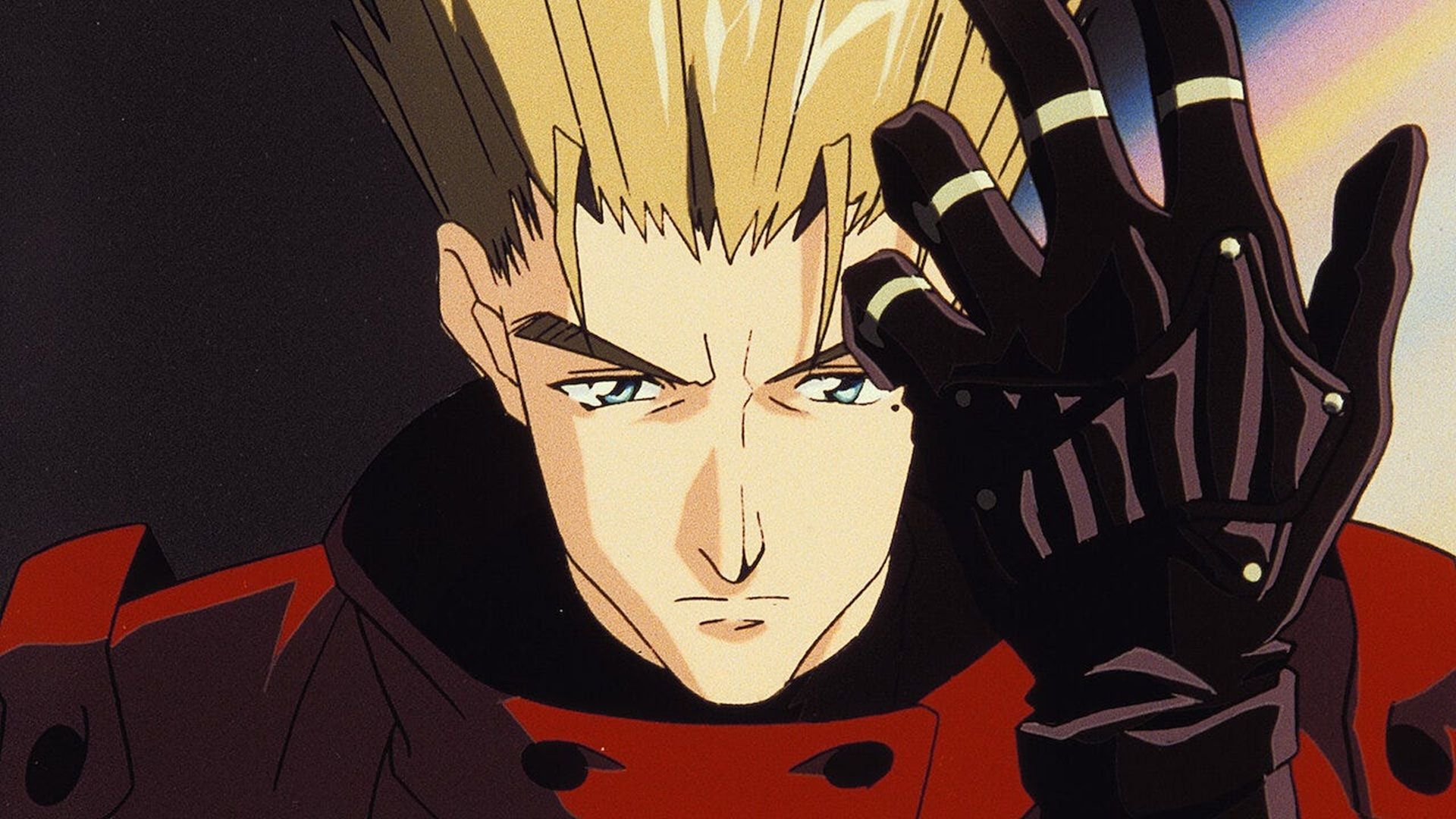
10 Complete Anime Series That Are 10/10, No Notes
Explore 10 flawless anime series that stand as masterpieces, each delivering unforgettable storytelling and character development.
Dive into the fascinating world of unproduced characters from Kenner's Super Powers line, including their potential impact on DC collectibles.
Explore the franchise
In simple terms, this article examines several characters that, while almost integrated into Kenner's Super Powers line, never saw production. These characters not only encapsulate the evolving nature of DC collectibles but also represent a fascinating intersection of fan expectations and marketing decisions. By delving into the motivations and potential arcs of these characters, we can better understand their significance even within the realm of action figures.
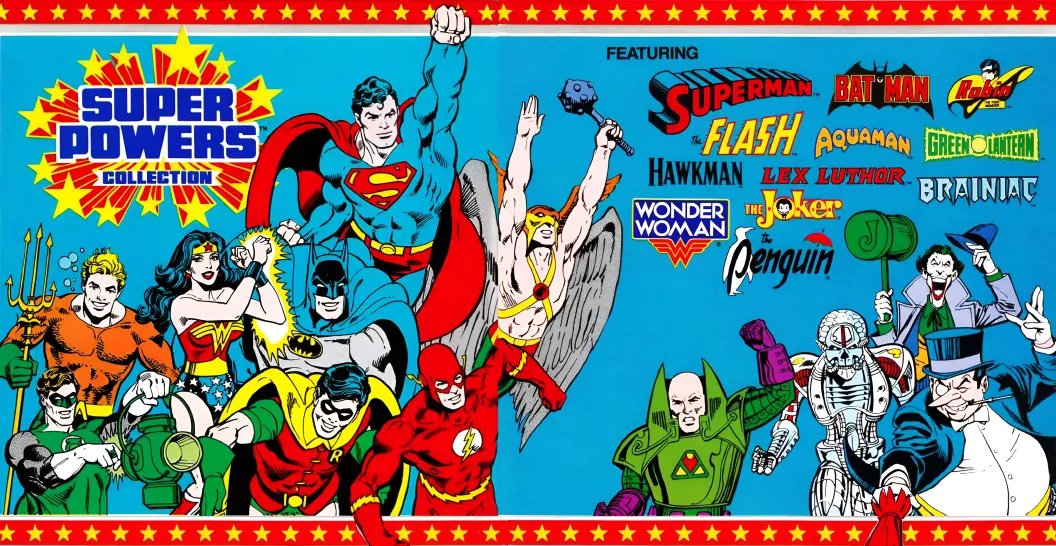
Kenner's Super Powers line, which debuted in the 1980s, remains a high point in the history of comic book merchandise. It provided fans with unique action figures of both iconic heroes and lesser-known characters from DC Comics. The characters brought a fresh dynamic to toy collecting, offering fans more than just the mainstays like Superman and Batman. The proposal for characters like Man-Bat and Blue Devil not only excited collectors but sparked interest among younger audiences who appreciated the variety.
One of the most notable unproduced characters from the Super Powers line is Man-Bat. The character, originally introduced in the 1970s, epitomizes a strong branding decision by Kenner. It’s confirmed that Man-Bat reached the prototype stage before the line ended. His inclusion made sense: as a figure that aligns with Batman’s world, he would have complemented existing merchandise beautifully, catering to both Batman fans and collectors of superhero lore. Man-Bat's unique aesthetic and powerful narrative would have likely added considerable depth to the toy line.
Blue Devil's character faced an uphill battle, as his comic series was struggling during the time. Nevertheless, he was positioned for production—it's confirmed that his figure was considered due to his contemporary popularity. This speaks volumes about the industry's responsiveness to fan interests. Paradoxically, amid plans for heroes like Blue Devil, Kenner also considered including Shockwave, his underutilized nemesis. It raises interesting questions about Kenner’s priorities when it came to villain selection, which often seemed centered on marketability rather than loyalty to the comics' more popular arch-nemeses.
Atomic Knight’s backstory adds a layer of irony to his intended production. Initially created outside the DC Universe, he later contributed significantly to the fabric of the DC storylines. His original silver age look was drastically changed, making him more appealing for toy merchandising. This transformation showcases how companies interpret character history through a commercial lens, prioritizing visual flair over lore. Despite his unusual background, the decision to attempt an action figure for Atomic Knight indicates a willingness to embrace the weird corners of the DC Universe.
Perhaps the most glaring omission from the original Super Powers line was Supergirl. Her absence, given her longstanding prominence in DC Comics since the late 1950s, raises eyebrows. It’s confirmed that she was intended for early production waves, but she ultimately did not make the cut, overshadowed by other characters. Interestingly, as the franchise evolved, Supergirl's narrative returned, leading McFarlane to finally resolve Kenner’s overlooking by including her in their Super Powers continuation. This speaks to the enduring fan demand for diverse representation in action figures, improving upon past oversights.
After Kenner's Super Powers line, the legacy of unproduced characters has continually sparked speculation and discussion among fans. Many have speculated on what could have been, creating vibrancy around the lost figures. The online toy collector communities thrive on the shared nostalgia and hypothetical discussions about these characters' impact on storytelling and merchandising. Of note is how Kenner's initial choices guide current interpretations of character popularity and viability in the collectibles market.
The legacies of unproduced characters from Kenner's Super Powers line serve as a poignant reflection of the balance between marketing and creative expression in the world of collectibles. While products can sometimes be dictated by sales potential, the rich history of DC characters allows their fans and collectors to imagine endless possibilities. The eventual recognition of characters like Supergirl in modern iterations of toy lines indicates a gradual shift towards inclusivity in the industry that continues to evolve. By grappling with both iconic and underappreciated figures, the toy community keeps the spirit of these characters alive, fueling ongoing conversations about their significance even decades later.
Character guide
EpisodeBreakdown may use automated tools to assist research, drafting, and formatting. Published pages are governed by our editorial and corrections policies, and source links are shown when they are available in the article record.
Discovery source: ComicBook.com. The source identifies where the topic was discovered; EpisodeBreakdown is responsible for the commentary published on this page.
Reader response
Reactions and poll results are based on real reader responses. No account is required.