series
House of the Dragon
In a bold statement, the actress portraying Kitana in Mortal Kombat II reveals her hopes for the sequel to delve deeper into a sisterhood narrative, hinting at character arcs and emotional stakes.
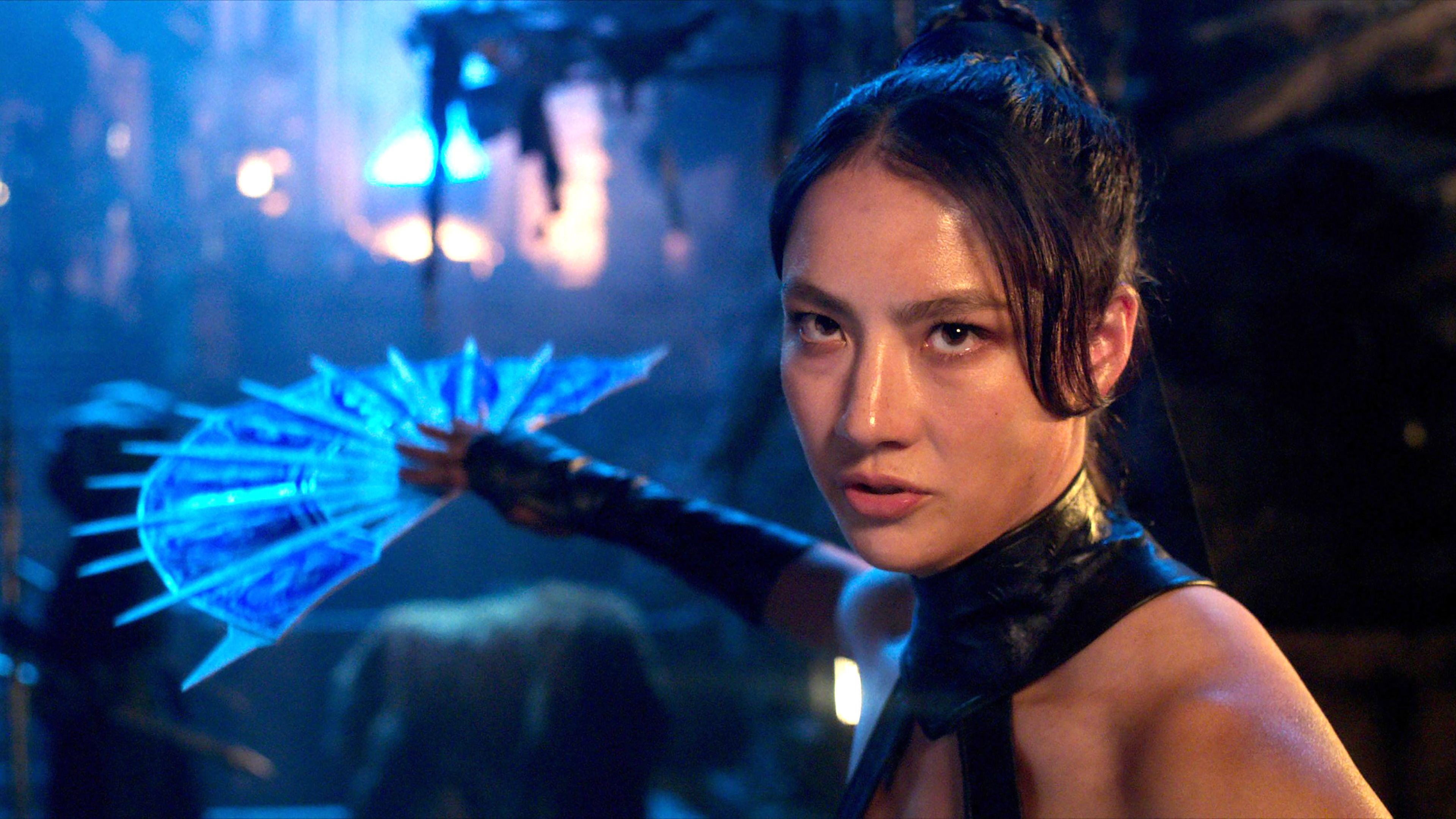
With the Mortal Kombat franchise expanding and diversifying its storytelling, fans are eagerly awaiting Mortal Kombat III. Recent comments from the actress behind Kitana in Mortal Kombat II have sparked interest, focusing particularly on the game's potential to explore deeper themes of sisterhood. Despite the fallout from a significant character's death, the star believes there’s an opportunity to interweave compelling narratives that resonate with audiences.
The actress, whose role as Kitana has captivated fans, advocates for a richer storyline in Mortal Kombat III that ties back to sisterhood, emphasizing emotional connections amidst challenges and loss. While the fate of a beloved character throws some uncertainty into the mix, the drive for a profound narrative remains strong.
The Mortal Kombat series is renowned for its dynamic characters, intricate plots, and thrilling combat. Kitana, a fierce warrior and heir to the Edenian throne, has been a pivotal figure known for her complex relationships and moral dilemmas. The deaths of critical characters often serve as catalysts for further character development and plot progression.
In Mortal Kombat II, Kitana faced great challenges, not only in the arena but also in her personal journey involving family ties and rivalries. The relationship between Kitana and her sister Mileena—a character shrouded in mystery and aggression—has always been a focal point of the narrative. With Mileena’s character prominently featured, the implications of her fate continue to reverberate through the franchise’s lore.
Moving into Mortal Kombat III, the anticipation is palpable. The storyline may revisit Kitana’s quest for identity, justice, and unity among her peers. It’s an emotionally charged arc, especially when intertwined with the themes of sisterhood—how love, rivalry, and betrayal shape the fighter’s journey.
Kitana: As the protagonist and a symbol of strength, Kitana’s character embodies resilience and complex emotional depth. Her motivations often stem from her backstory, making her the perfect candidate to lead a narrative focused on sisterhood.
Mileena: Despite her controversial existence and presumed demise, Mileena's impact on Kitana and her storyline is undeniable. She represents both challenge and connection, fueling potential conflict in the upcoming narrative.
Other Key Characters: The Mortal Kombat repertoire features a range of iconic fighters like Scorpion, Liu Kang, and Raiden, whose involvement may add layers to Kitana’s story. Their relationships and confrontations can further emphasize the struggles of sisterhood.
Based on available public metadata, the specifics of the latest episode or ending for Mortal Kombat III are yet to be released. However, we can speculate on the implications of character losses, particularly focusing on how they might affect Kitana's development and her relationships with the remaining cast. The franchise often underscores the consequences of a character's demise, using it as a vehicle for growth and transformation.
It’s reasonable to anticipate emotional scenes where Kitana processes her grief while reflecting on the lessons learned from her relationship with Mileena. This could serve as a poignant touchpoint for players and viewers, allowing them to connect with Kitana on a deeper level while retaining the series' trademark action-packed sequences.
The direction of Mortal Kombat III carries exciting potential, especially as the actress behind Kitana advocates for a story that highlights sisterhood amidst adversity. This could lead to several compelling narrative threads:
Incorporating these elements can lead to a multifaceted storyline that remains engaging and relatable, tapping into universal themes of family, love, loss, and the fight for identity.
The excitement surrounding Mortal Kombat III is partly due to the successful reception of its predecessors. Fans are eager to see both the continuation and transformation of beloved characters like Kitana and the complexities of her relationships. The emphasis on sisterhood and emotional stakes offers a refreshing take on traditional combat narratives, appealing to a broader audience. As social media buzzes with speculation about plot directions and character arcs, the fanbase's involvement enhances the anticipation, making Mortal Kombat III a hot topic in pop culture.
The developments surrounding Kitana's character in Mortal Kombat III bring forth a multitude of storytelling possibilities. Focusing on sisterhood amidst strife not only deepens the narrative but also enriches the game's emotional landscape. By exploring these themes, the franchise can elevate its impact and resonate with long-time fans and newcomers alike. Ultimately, the hope for more profound character development, blended with thrilling combat, positions Mortal Kombat III as a potential landmark in the series. Fans are encouraged to keep an eye on upcoming news as the anticipation continues to build for what promises to be an unforgettable narrative experience.
Character guide
EpisodeBreakdown may use automated tools to assist research, drafting, and formatting. Published pages are governed by our editorial and corrections policies, and source links are shown when they are available in the article record.
Discovery source: ScreenRant. The source identifies where the topic was discovered; EpisodeBreakdown is responsible for the commentary published on this page.
Reader response
Reactions and poll results are based on real reader responses. No account is required.
House of the Dragon Season 3 dramatically alters events from Fire & Blood, impacting character arcs and storylines.