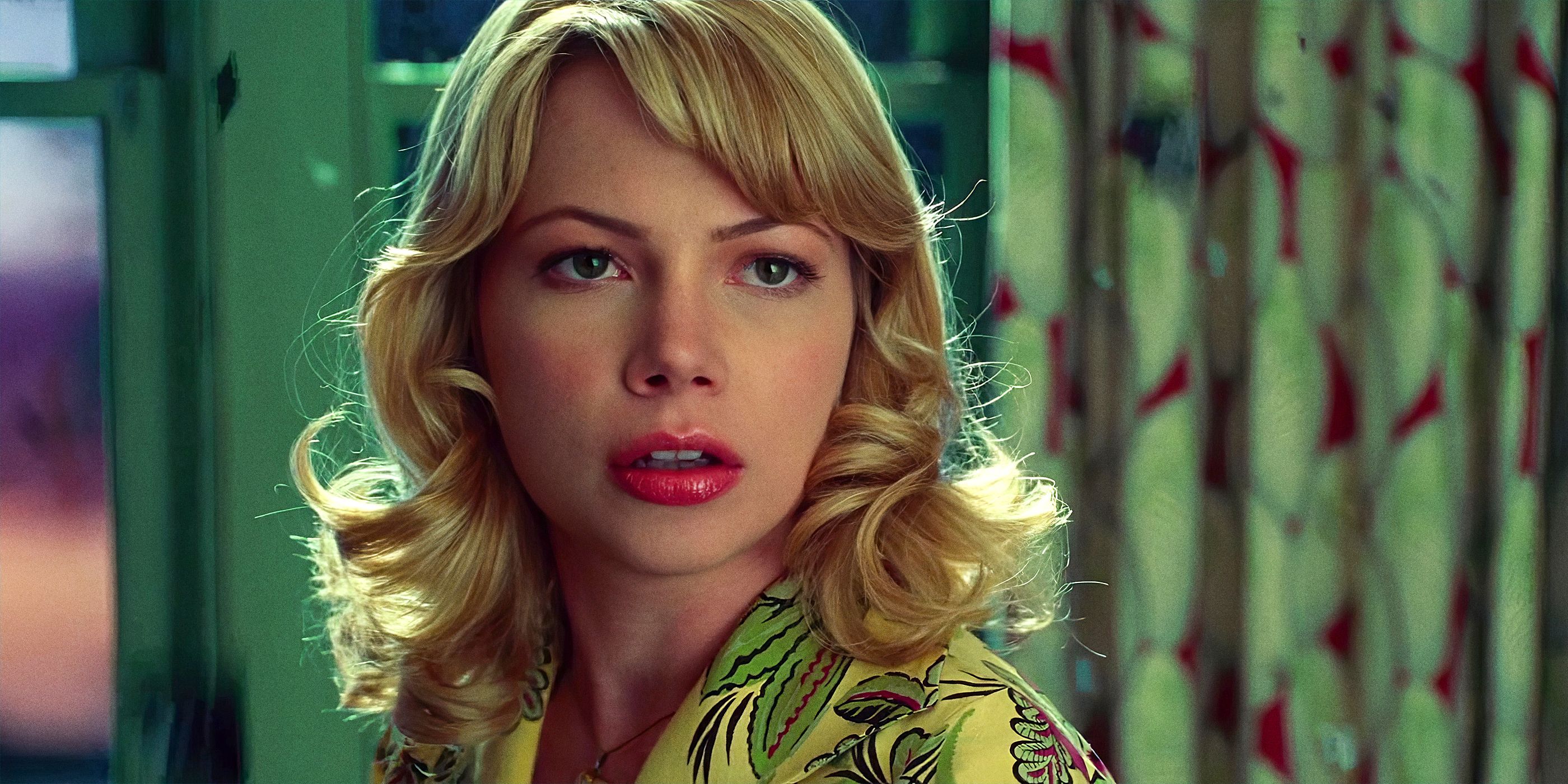
Sadie Sink’s Marvel Role in Spider-Man: Brand New Day Revealed
Sadie Sink joins the MCU as Jean Grey in Spider-Man: Brand New Day, confirmed by recent announcements ahead of the film's release.
Exploring the lasting impact of Larry Cohen's original 'It's Alive' against its 2009 remake, we delve into themes, character choices, and cinematic legacy.
In simple terms, the central question regarding Larry Cohen's It's Alive is whether the original film's unique strengths justifies its legacy over the 2009 remake. The answer is a resounding yes. The moral complexities and social commentary that Cohen embedded within the original not only resonate today but also elevate it beyond mere horror fare, while the remake fails to capture that essence.
Cohen’s It’s Alive (1974) introduced audiences to a horrifying yet sympathetic monster—a newborn infant that is not just a typical horror element but a reflection of societal fears surrounding motherhood and technology. The film explores the anxieties of parenthood, particularly in an era of scientific advancement. By doing so, it becomes not just a horror film but a poignant commentary on the anxieties surrounding new life in a modern world.
The storyline revolves around a couple, Frank and Lenore, who face the unexpected horror of their baby being born with a terrifying affliction. The film unfolds as Frank must confront an ethical dilemma: protect his family while dealing with the frightening reality of what his newborn has become. Confirmed elements emphasize the chilling nature of the story—including the horrific scenes of destruction wrought by the baby and the haunting implications of parenthood.
The original film’s themes present a fertile ground for reflection. It dives into the fear of parenthood, the responsibility that comes with creating life, and the consequences of scientific experimentation. Cohen delves into these themes with nuance, allowing viewers to recognize the tragedy within the terror.
On the other hand, the 2009 remake suffers from a lack of depth. Attempting to capitalize on modern effects and horror tropes, it neglects to incorporate the layered social commentary that Cohen crafted so expertly. What remains undisputed is that the original frames the horror within a narrative that endorses empathy for its monstrous character, contrasting with the more sensationalist approach of its remake.
Frank, portrayed in the original film by John Marley, embodies the internal struggle many parents feel. His character represents a complex mix of pride, fear, and shame—not just for what his child has become, but for the societal implications tied to that birth. Conversely, the characters in the 2009 version often feel one-dimensional, failing to convey the same surgical dissection of familial love and societal expectation.
The original film's characters are not just players in a horror narrative; they are vessels for larger themes. Frank's descent into madness, his struggle with his wife, and his conflict with a society that fails to understand his plight render the film an exploration of existential dread. Such themes are neglected in the transplant to a 21st-century audience, which diminishes the emotional core of the story.
Clues peppered throughout the original film invite various interpretations. Is the infant a representation of uncontrolled scientific advancement? Or is it merely a tragic commentary on the pressures of parenthood? These questions elevate the film from mere genre exercise to a discussion springboard.
In contrast, the remake lacks such interpretative depth, often relying instead on shock value and special effects to engage the audience. This difference reveals a disconnect in the remake's understanding of its predecessor’s thematic richness, ultimately rendering it forgettable.
The conclusion of the original film serves as a stark reflection on the hopes and fears embedded in parenthood. With Frank confronting the tragic fate of his child, the film leaves viewers contemplating the ramifications of their actions. This ending is both haunting and profound, acting as a mirror reflecting our societal fears surrounding parenthood and societal judgment.
In the 2009 version, however, the conclusion lacks this resonance. By opting for a more conventional horror-film ending, it dismisses the opportunity to evoke deeper emotional reactions from its audience, instead offering a cliché that feels more like an obligation to the genre than a natural culmination of narrative themes.
The 1974 version of It’s Alive continues to influence horror cinema today, standing as a potent reminder of how deep-rooted societal fears can be explored through the lens of horror. It acts as an exemplar for filmmakers seeking to blend genre conventions with meaningful storytelling. Films mentioned in conversation, such as The Babadook and Hereditary, further illustrate how horror can serve as an effective medium for exploring the intricacies of parenthood, fear, and societal expectation, making the original It’s Alive an important cultural touchstone.
The comparison of Larry Cohen's It's Alive with its 2009 remake underscores the necessity for depth in remakes. The original’s exploration of complex themes surrounding parenthood continues to captivate audiences, while the remake illustrates the pitfalls of superficial storytelling. As filmmakers continue to revisit older works, the challenge lies in justifying their existence through innovative interpretations that honor the source material’s emotional core. Without this commitment, remakes risk becoming forgettable shadows of their predecessors, failing to enrich the ongoing dialogue about fear, responsibility, and the human condition that horror cinema has long sought to engage.
For those interested in other notable remakes and their impact on audiences, consider exploring Exploring the Thrills and Themes of 'Obsession' or Exploring the Horrors of 'The Purge: Dangerous Waters'. The conversation surrounding remakes remains essential, especially when considering how fear and societal commentary still thrive in horror cinema today.
Movie explanation
EpisodeBreakdown may use automated tools to assist research, drafting, and formatting. Published pages are governed by our editorial and corrections policies, and source links are shown when they are available in the article record.
Discovery source: Bloody Disgusting. The source identifies where the topic was discovered; EpisodeBreakdown is responsible for the commentary published on this page.
Reader response
Reactions and poll results are based on real reader responses. No account is required.