‘Paper Tiger’ and ‘Musk’ Documentary Featured at 2026 SFIFF
The 2026 Santa Fe International Film Festival showcases key titles including 'Paper Tiger' and 'Musk', marking an exciting lineup for this year.
Lav Diaz confirms he is developing a film on false prophets and a screen adaptation of José Rizal’s ‘Noli Me Tangere’, unveiled in an exclusive from Variety.
Filipino filmmaker Lav Diaz has officially announced the development of two new film projects: a film exploring false prophets and a screen adaptation of José Rizal’s seminal work, Noli Me Tangere. These updates were revealed during an exclusive interview with Variety on September 5, 2026.
In the interview, Diaz shared that the film addressing false prophets will critically explore ideologies that mislead society. Additionally, his adaptation of Noli Me Tangere will draw directly from Rizal's novel, which played a crucial role in inspiring the Philippine Revolution of 1896. The projects highlight Diaz's inclination toward social commentary, a hallmark of his filmmaking style.
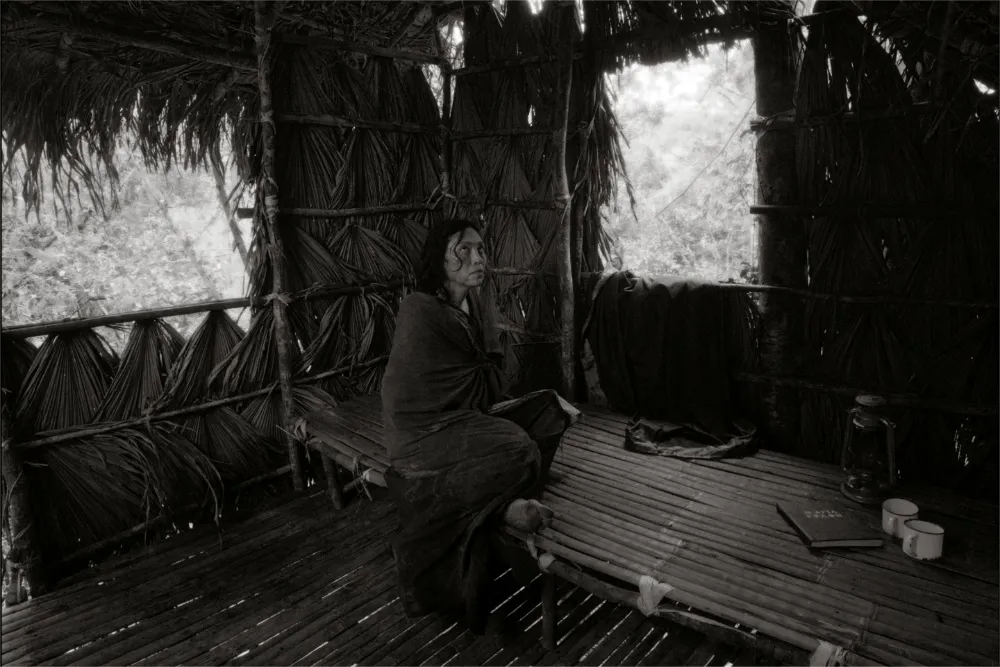
Alongside these announcements, Diaz is set to premiere his latest film, Let Us Through, Dear Ancestors (Makikiraan Po), in the Open section at the Venice Film Festival. This film marks Diaz's return to the prestigious festival, where he previously won the Golden Lion for The Woman Who Left in 2016. Let Us Through, Dear Ancestors reflects Diaz’s historical approach to storytelling, focusing on Spanish colonial forces in the Philippines during the late 16th century and early 17th century.
Diaz’s films often illuminate Philippine history and culture, aiming to shed light on the darker aspects of societal structures. His exploration of forced labor used in constructing colonial-era churches poignantly connects the past to present conversations about socio-political issues in the Philippines. As Diaz accurately points out, many famous structures are built upon a history of violence and oppression. His work challenges audiences to confront and understand this complex heritage.
In past films, Diaz has similarly approached historical themes, such as in A Lullaby to the Sorrowful Mystery, which delves into the Philippine Revolution. Audiences can expect Let Us Through, Dear Ancestors to continue this tradition, merging history with insightful critiques on faith and power.
Let Us Through, Dear Ancestors was filmed in black and white in Sampaloc, Quezon Province, a location Diaz credits for aiding in his recovery from health issues. He has previously shot three other films in this area, underscoring his commitment to the community and its resources in shaping his artistic vision. The film features Isabel Sandoval, whose role as a traditional Malay healer bridges connections between the characters and their indigenous heritage.
As Lav Diaz prepares for the reception of Let Us Through, Dear Ancestors at the Venice Film Festival, industry watchers will be keen to see how audiences respond to his latest critiques of institutional power, combined with narratives rooted in Filipino history. While specific details surrounding the two new projects have not been announced, Diaz's reputation for profound and socially relevant cinema suggests they will attract significant interest and spark conversations about the continuing impact of colonial history in the Philippines.
Diaz’s latest endeavors serve as a reminder of the crucial role of cinema in understanding historical context and societal struggles, ensuring that these narratives remain relevant in conversations of culture and identity today.
Entertainment news
EpisodeBreakdown may use automated tools to assist research, drafting, and formatting. Published pages are governed by our editorial and corrections policies, and source links are shown when they are available in the article record.
Discovery source: Variety. The source identifies where the topic was discovered; EpisodeBreakdown is responsible for the commentary published on this page.
Reader response
Reactions and poll results are based on real reader responses. No account is required.