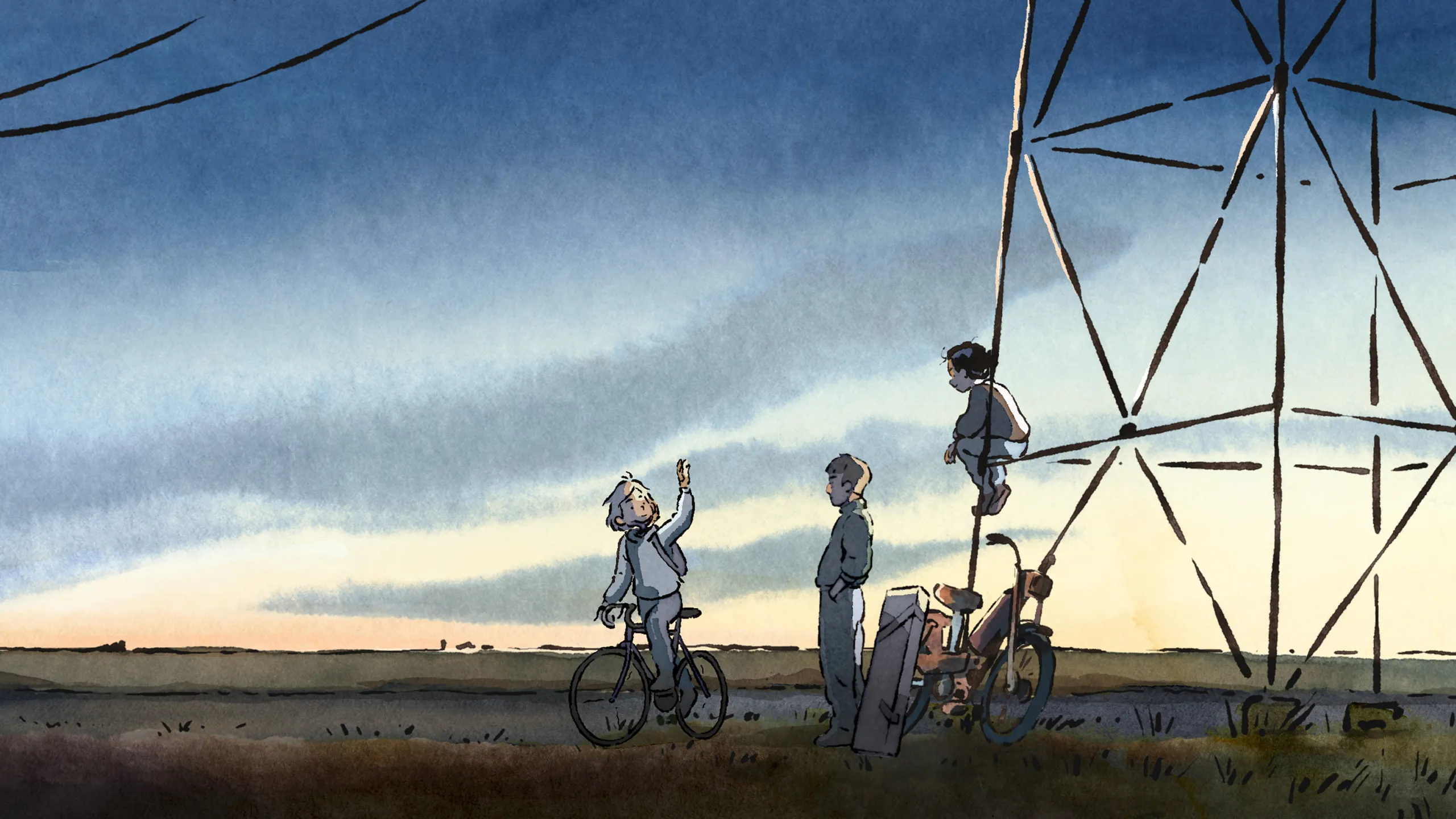
‘Paper Tiger’ and ‘Musk’ Documentary Featured at 2026 SFIFF
The 2026 Santa Fe International Film Festival showcases key titles including 'Paper Tiger' and 'Musk', marking an exciting lineup for this year.
Lonnie Bunch will step down as secretary of the Smithsonian at the end of the year amid political pressures. His tenure lasted seven years.
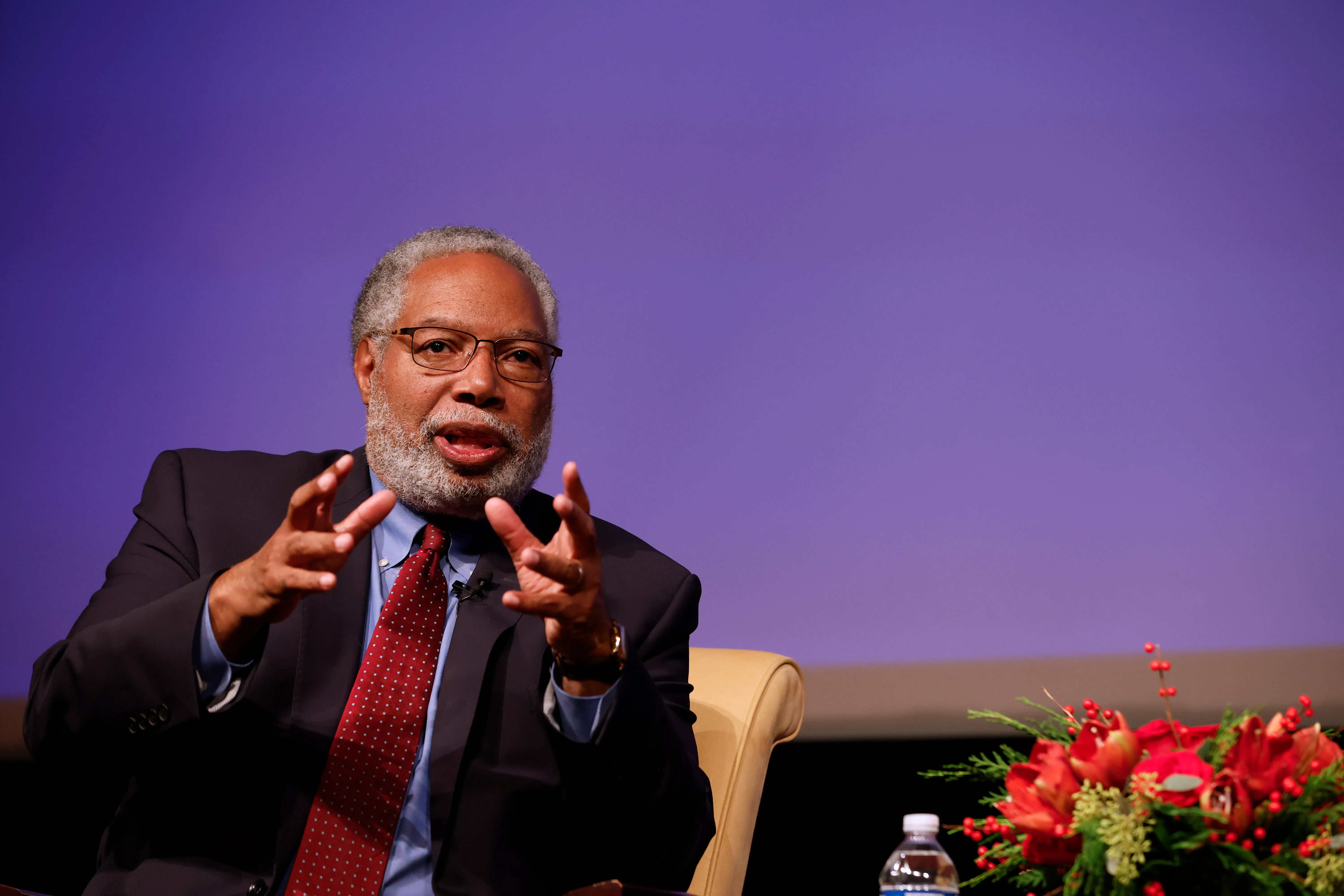
Lonnie Bunch, who has served as the secretary of the Smithsonian Institution for the past seven years, has confirmed he will resign effective at the end of this year. This significant announcement comes amid ongoing political criticism directed towards the Smithsonian by the Trump administration concerning its portrayal of historical events and figures.
In an interview, Bunch stated that the political pressure did not play a role in his decision to leave; rather, he felt it was the right time to step down. His leadership has been characterized by a dedication to showcasing a diverse and nuanced perspective on American history.
The Smithsonian has historically enjoyed a level of independence from external political pressures, being overseen by a Board of Regents. However, in recent years, it has faced increasing scrutiny from the Trump administration. A report published in July asserted that the National Museum of American History, under the Smithsonian’s umbrella, was influenced by “radical, activist ideology.” Specific criticisms targeted the museum’s “Entertainment Nation” wing, which aims to provide a comprehensive view of American culture.
Historians and academics have voiced concerns regarding the administration’s findings, arguing that they represent a broader effort to downplay complex historical narratives. This has resulted in significant pushback from various historians' associations, labeling the report as an attempt to foster a superficial understanding of American identity. As highlighted by the Organization of American Historians, such narratives do not capture the rich, diverse histories that contribute to the nation's story.
Since taking on the role of secretary, Lonnie Bunch has demonstrated a commitment to excellence in historical storytelling. As the founding director of the National Museum of African American History and Culture prior to his appointment, he has been instrumental in advancing public understanding of the experiences and contributions of African Americans throughout history. In a statement regarding his resignation, Bunch expressed pride in the achievements of the Smithsonian under his leadership, stressing the importance of its mission.
Chief Justice John Roberts, chair of the Smithsonian Board of Regents, praised Bunch’s distinguished service and noted the considerable benefit his wisdom and vision provided to the institution.
Bunch's departure at the end of the year represents a critical juncture for the Smithsonian. With a history rooted in maintaining independence from political agendas, the institution must navigate the implications of his resignation amid increasing scrutiny. The Smithsonian will continue to rely on appropriated funding from Congress, but future leadership decisions may influence the institution's direction and its role in American cultural discourse.
While there has been no announcement regarding Bunch's successor, the new leadership will face the challenge of balancing political pressures with the Smithsonian's mission to educate and inform the public about America’s complexity.
For now, Lonnie Bunch's resignation underscores the evolving relationship between cultural institutions and political forces, a dynamic that will likely continue to shape the Smithsonian's narrative in the years to come.
As Lonnie Bunch steps down, the Smithsonian faces the task of appointing a successor and ensuring that its long-standing principles of academic integrity and historical accuracy remain intact. The institution's continued ability to function independently in its mission may be tested, and observers will be keenly watching how future leadership responds to external pressures while steering the Smithsonian forward.
For further details on how political narratives affect historical institutions, see our previous articles on the Smithsonian’s strategic responses to criticism here. Additionally, you can read about the funding challenges faced by major cultural institutions here and their impact on public history.
Entertainment news
EpisodeBreakdown may use automated tools to assist research, drafting, and formatting. Published pages are governed by our editorial and corrections policies, and source links are shown when they are available in the article record.
Discovery source: Deadline. The source identifies where the topic was discovered; EpisodeBreakdown is responsible for the commentary published on this page.
Reader response
Reactions and poll results are based on real reader responses. No account is required.