Victorian Psycho
The Only 3 Lord of the Rings Characters Who Defeated Sauron
Explore the three legendary heroes of Middle-earth who famously defeated the Dark Lord Sauron and the impact of their victories.
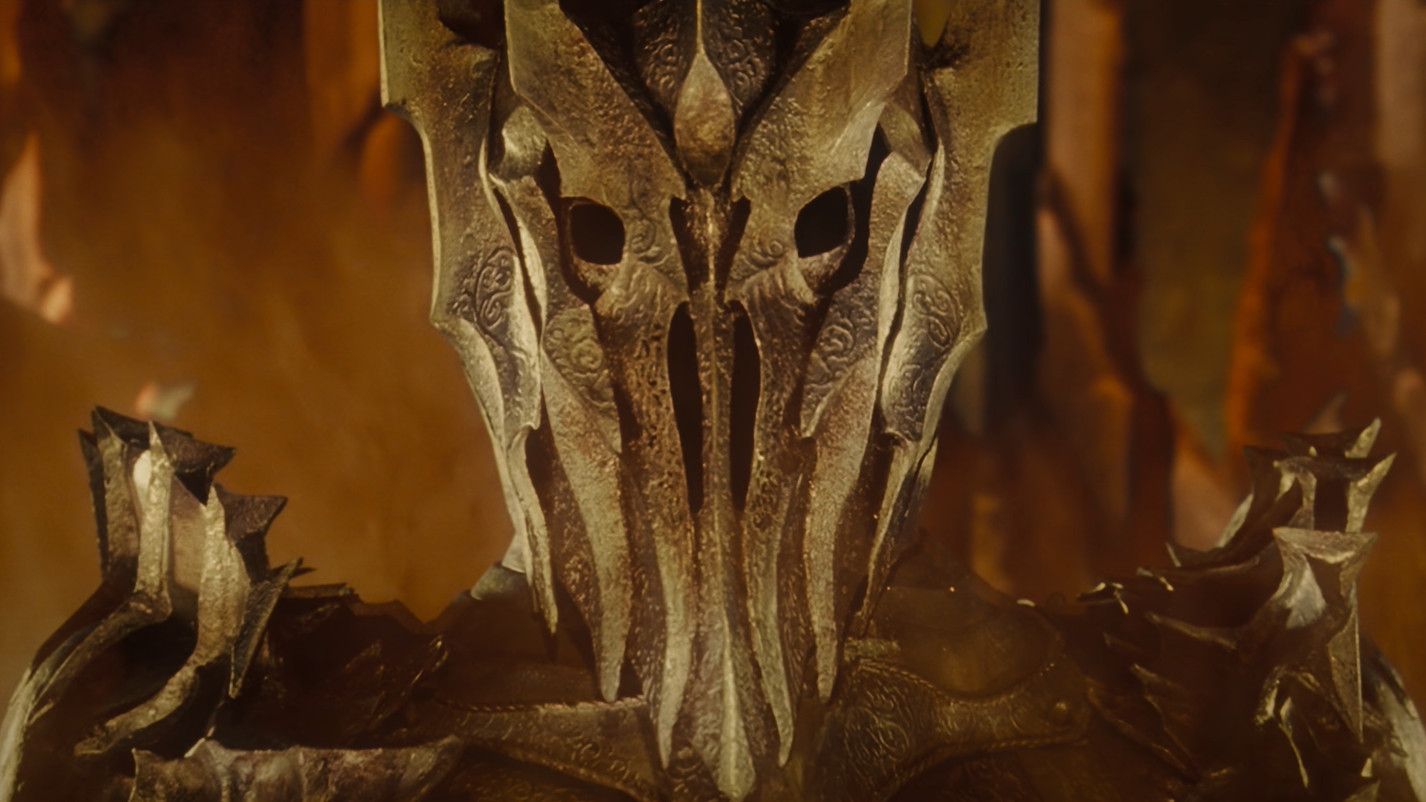
Explore the three legendary heroes of Middle-earth who famously defeated the Dark Lord Sauron and the impact of their victories.
The epic saga of The Lord of the Rings is filled with tales of heroism, betrayal, and the enduring battle between good and evil. Central to this narrative is Sauron, the Dark Lord whose malevolence casts a long shadow over Middle-earth for thousands of years. Despite his overwhelming power, only three heroic figures have managed to defeat him in battle, solidifying their places in the annals of history. In this breakdown, we’ll explore who these characters are, the circumstances of their victories, and why their stories continue to resonate today.
Over the course of countless battles and skirmishes, three principal characters emerged who were able to confront and defeat Sauron. Their stories intertwine with the themes of courage, sacrifice, and the struggle against tyranny. We’ll delve into their motivations, the events leading up to their victories, and how their actions altered the fate of Middle-earth.
Sauron, originally a servant of the god-like figure Morgoth, became the embodiment of evil in Middle-earth after Morgoth's defeat. He sought to dominate all beings through the One Ring, which he crafted to control the others. Over the ages, Sauron instilled fear in the hearts of many, inspiring legends of a hero who might rise to challenge him.
The three characters who ultimately stood against Sauron each represent different facets of bravery and resistance. Their unique backgrounds and experiences informed their approaches to the conflict. As we dive into who they are, we can see how their stories intertwine with the fate of Middle-earth.
Isildur, a key historical figure in The Lord of the Rings lore, was a prince of the race of Men. He wielded the sword Narsil, which shattered Sauron's physical form during the War of the Last Alliance. However, Isildur's victory was both triumph and tragedy—while he defeated Sauron in battle, he succumbed to the One Ring's seductive power, ultimately sealing his fate and the fate of Middle-earth for centuries. His struggle illustrates the ongoing battle against one's own desires and highlights a critical theme of power and its corrupting influence.
The High King of the Noldor Elves, Gil-galad, fought bravely alongside Isildur during that fateful war. His contributions were pivotal, and he distinctly embodied honor and valor as he faced Sauron. Though widely celebrated for his bravery, Gil-galad's life ended in the same conflict that momentarily defeated Sauron. His partnership with Isildur symbolizes the alliance between Elves and Men, fighting for the future of their world. Gil-galad's character arc resonates with the theme of sacrifice, highlighting the price of freedom in the battle against evil.
While not a warrior like Isildur and Gil-galad, Frodo embodies the theme of hope and resilience. The central figure of The Lord of the Rings trilogy, Frodo's journey is not just one of physical confrontation but one of emotional and psychological endurance. Tasked with the monumental responsibility of destroying the One Ring, Frodo's success in neutralizing Sauron's power signifies the end of his dominion over Middle-earth. By resisting the lure of the Ring and ultimately letting go of it, Frodo represents the triumph of humility and perseverance over overwhelming odds, making his victory equally important in the narrative.
According to the lore surrounding these characters, the ultimate defeat of Sauron is not only marked by isolated moments of battle but also by the collective sacrifices made by the Free Peoples of Middle-earth. Each victory is framed by the sacrifices of its heroes—Isildur's tragic fate serves as a cautionary tale against the lure of power; Gil-galad's bravery inspires generations, and Frodo's triumph demonstrates that even the smallest beings can change the course of history.
In the context of the movies and their adaptations, these stories shine through the epic battles and victories portrayed, serving as emotional anchors that deepen our understanding of the characters. While the defeat of Sauron at various points in history highlights moments of bravery, it isn’t simply about the battles won; it’s a reminder of the enduring fight against evil in various forms.
As interest in The Lord of the Rings continues to thrive, particularly with hints of future adaptations in the works, we can only speculate on how these stories might evolve. There’s a wealth of unexplored narratives surrounding these legendary figures, from Isildur's struggle with the Ring to Frodo's enduring legacy in a post-Sauron Middle-earth. Future adaptations could delve deeper into the lore, introducing new perspectives while exploring how the stories of these heroes inform and influence the generations that come after them.
Ultimately, the focus could shift toward understanding the complex relationship between power and responsibility. New narratives could offer fresh insights into the cyclical nature of good and evil, showing how Sauron's defeat does not signify the end of darkness but rather a continual reminder of the vigilance needed to protect freedom. Thus, the anticipation surrounding these adaptations reflects a desire for deeper storytelling that examines the human condition, as seen through the lens of fantasy.
The enduring popularity of The Lord of the Rings franchise continues to capture the imaginations of fans worldwide. Recent discussions surrounding the unique characters who defeated Sauron underscore a larger narrative concerning heroes in a time of darkness. The ability of these characters to challenge overwhelming evil resonates strongly in contemporary discussions about heroism and the moral complexities that accompany it.
Additionally, as new films and series based on J.R.R. Tolkien's works surface, nostalgia for the original trilogy and the rich lore of Middle-earth reinvigorates interest. Fans yearn to explore lesser-known stories and characters that made history within this expansive universe. The rise in social media discussions, fan theories, and forums dedicated to analyzing the finer points of Tolkien’s work contribute to the ongoing relevance and excitement surrounding the franchise.
The heroic feats of the three characters who defeated Sauron—Isildur, Gil-galad, and Frodo—offer rich material for exploration and discussion. Their stories intertwine with the themes of friendship, sacrifice, and the ultimate fight against darkness. As we look towards potential future adaptations, we hope for a deeper dive into their narratives and the continuing exploration of power, both its allure and its pitfalls. The epic saga of The Lord of the Rings continues to remind us that true heroism lies not only in the battles fought but in the resilience to face the darkness within ourselves and the world around us.
Movie explanation
EpisodeBreakdown may use automated tools to assist research, drafting, and formatting. Published pages are governed by our editorial and corrections policies, and source links are shown when they are available in the article record.
Discovery source: CBR Movies. The source identifies where the topic was discovered; EpisodeBreakdown is responsible for the commentary published on this page.
Reader response
Reactions and poll results are based on real reader responses. No account is required.
Dive deep into 'Victorian Psycho', a film that explores themes of madness and class in a chilling Victorian setting.