HBO Acquires Documentary on Megan Rapinoe After TIFF Premiere
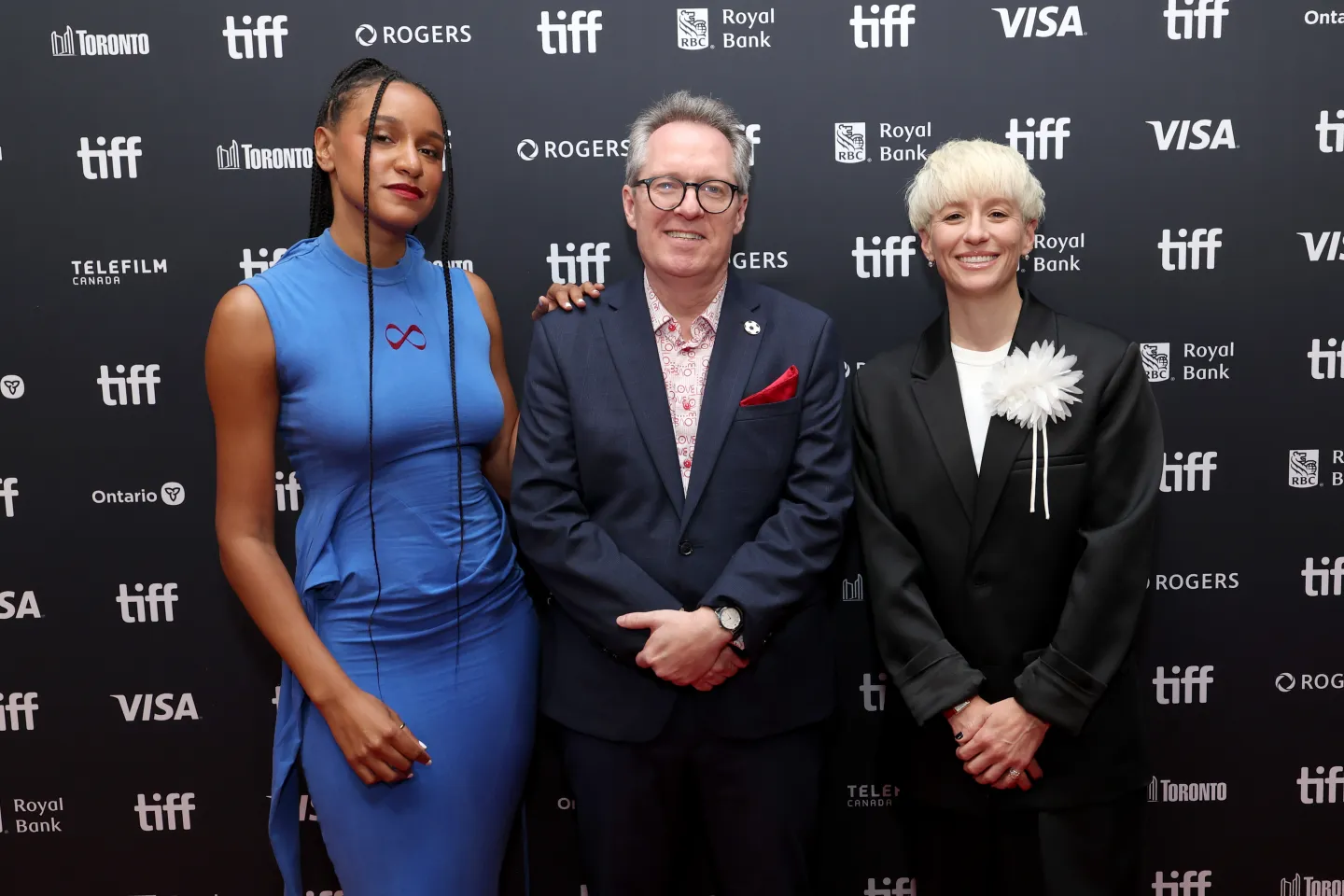
HBO has secured distribution rights for the documentary focusing on Megan Rapinoe, following its debut at the Toronto Film Festival.
In the wake of the attacks on the Twin Towers and Pentagon, Hollywood studios were barricaded, movie releases postponed and patriotic street art unfurled as L.A. stood in solidarity with New York.
In the aftermath of the September 11 attacks, Los Angeles—not just a powerhouse of film and entertainment but a major American city—revealed its character through urgent responses to fear and uncertainty. Major Hollywood studios, fearing they could be targets as well, barricaded their premises with concrete barriers and heightened security measures. This transformation showcased a dual narrative: a city fortified against potential threats while also striving to express its resilience and solidarity with New York. Warner Bros. and Fox took drastic steps to secure their lots, while at Paramount, vigilant employees used mirrors to inspect vehicles for explosives, creating a profound sense of caution within the industry.
The climate of fear and sensitivity brought about significant delays for numerous films that were set to release shortly after 9/11. Movies like Big Trouble, which involved the smuggling of a nuclear device, were postponed from their September launch to April. Similarly, Bad Company shifted from a Christmas release to the following June. Arnold Schwarzenegger’s Collateral Damage was delayed from October until February. The ripple effects reverberated throughout Hollywood, highlighting not only business repercussions but also the emotional turmoil that gripped the nation after that tragic day. Filmmakers had to rethink their content to align with a more cautious and empathic audience.
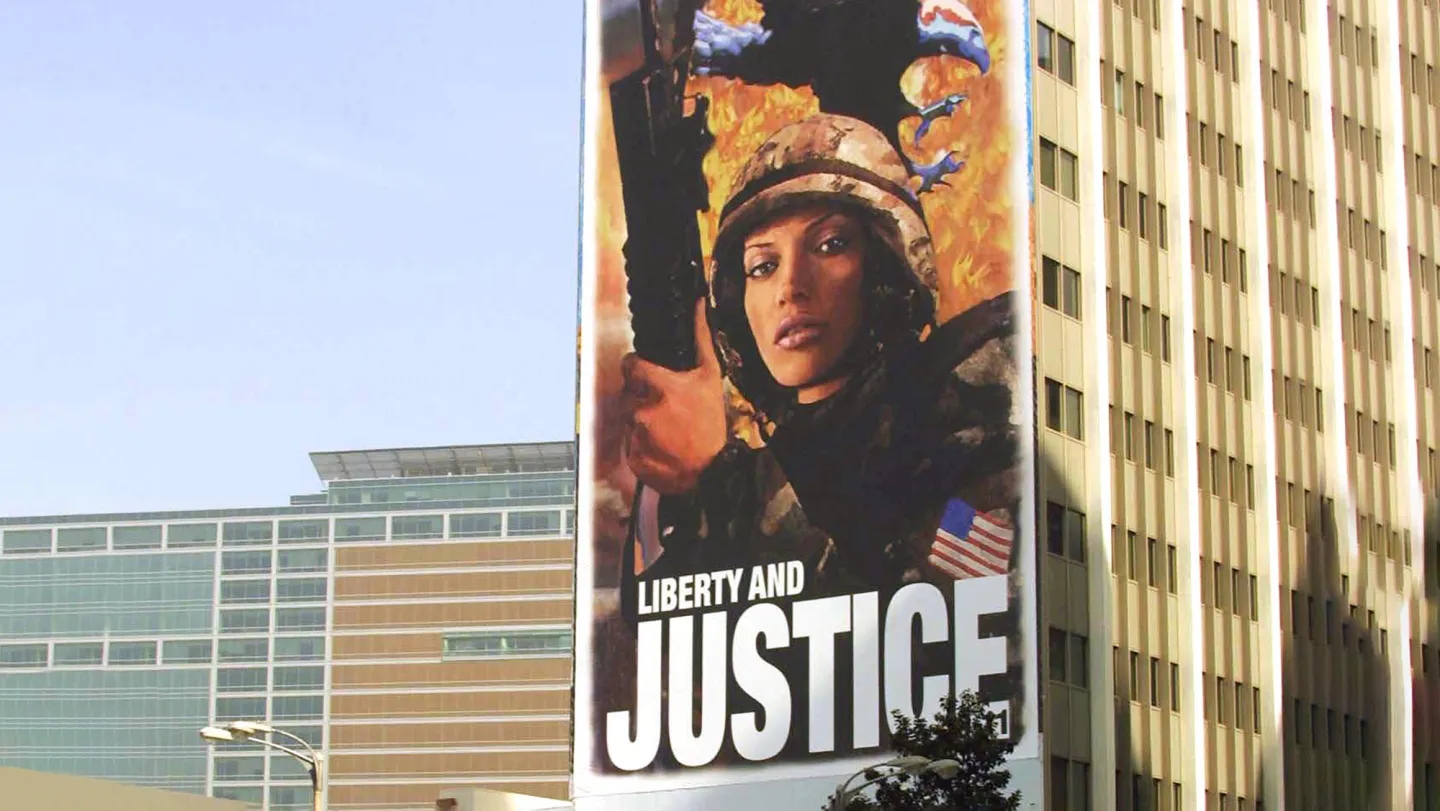
A significant expression of this shift came in the form of a striking mural that emerged about a month after the attacks. Painted by artist Mike McNeilly at the intersection of Wilshire and Westwood, the 60-foot mural of a soldier in combat fatigues juxtaposed beauty with vulnerability. While the mural sparked controversy, it became an emblem of L.A.’s defiance amid the chaos and fear, encapsulating the city's struggle to reclaim its identity in a transformed world.
In the wake of the attacks, filmmakers and artists had to grapple with the profound changes in cultural sentiment. Many narratives that had previously seemed thrilling or entertaining were now reassessed for potential insensitivity. This led to a recalibration of storytelling as the industry aimed for a portrayal of America that respected the gravity of the situation while also reflecting the resilience of its people.
Los Angeles’ reaction to the September 11 attacks illuminated a rapid evolution in its cultural landscape. The immediate shifts in film and artistic expression not only exemplified the entertainment industry’s response to a national tragedy but also set a precedent for future storytelling. The resilience exhibited by Hollywood during such a crisis underscores the lasting impact of cultural narratives in shaping public consciousness and the collective memory of a nation.
Entertainment news
EpisodeBreakdown may use automated tools to assist research, drafting, and formatting. Published pages are governed by our editorial and corrections policies, and source links are shown when they are available in the article record.
Discovery source: The Hollywood Reporter. The source identifies where the topic was discovered; EpisodeBreakdown is responsible for the commentary published on this page.
Reader response
Reactions and poll results are based on real reader responses. No account is required.