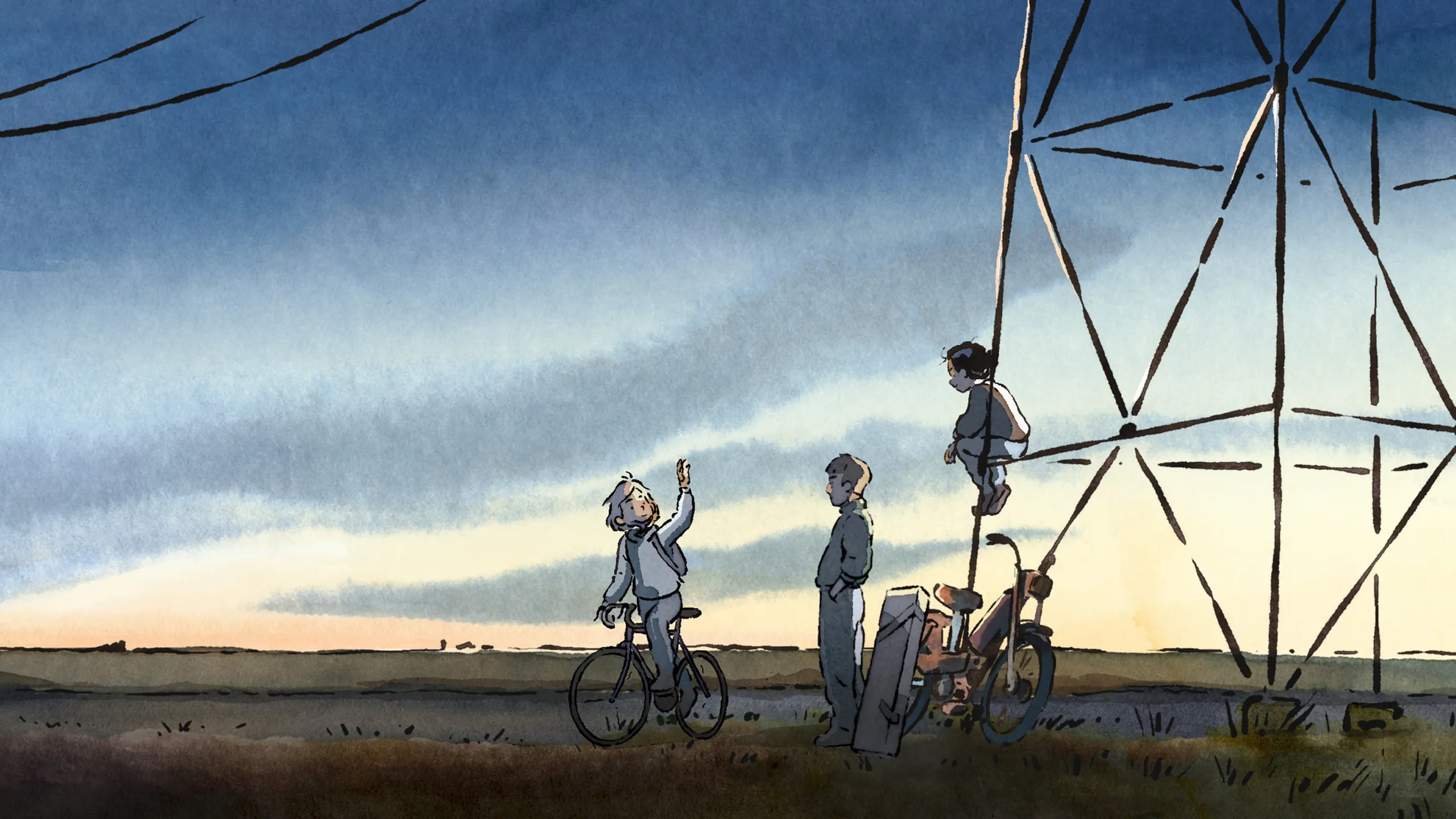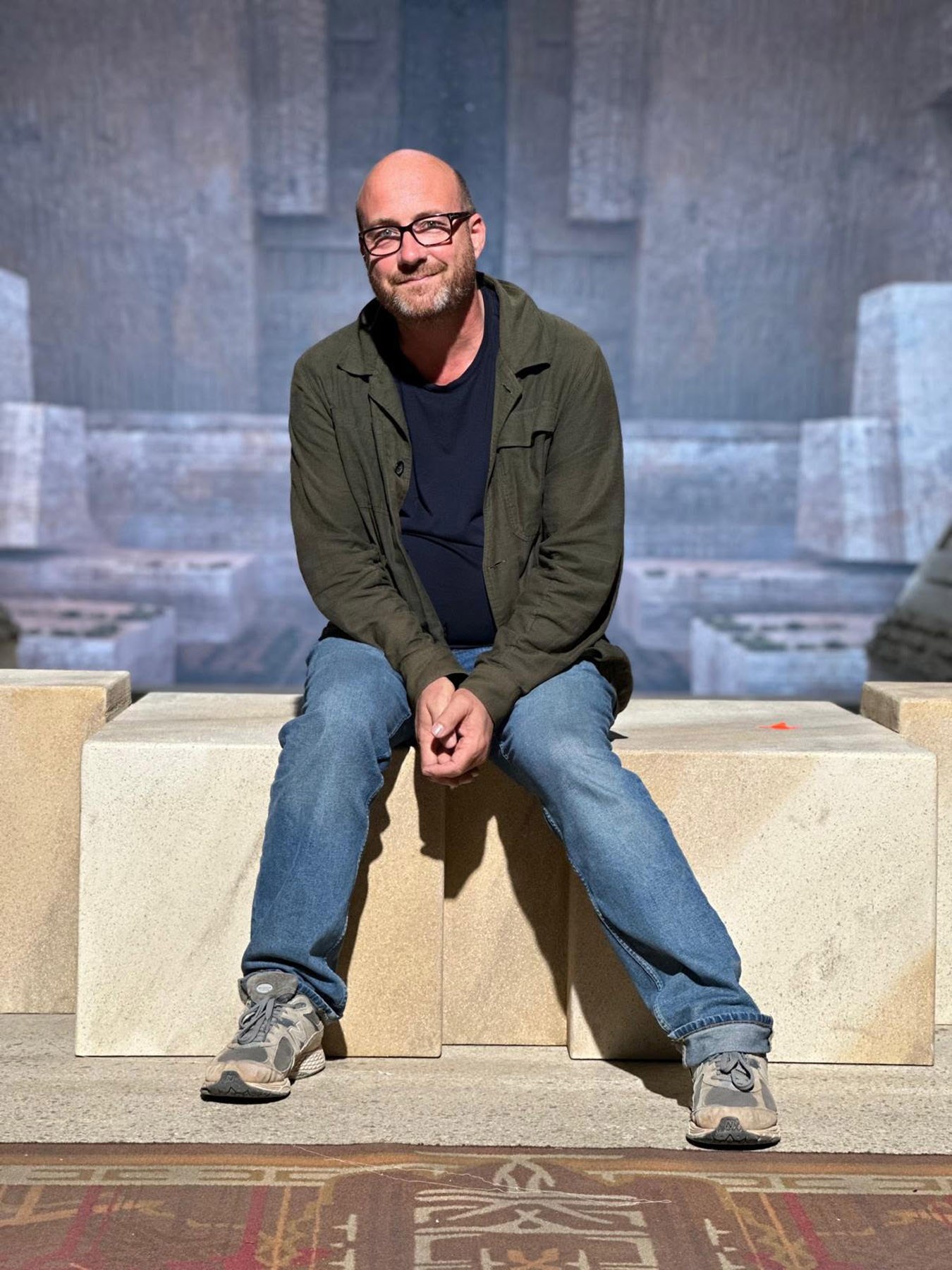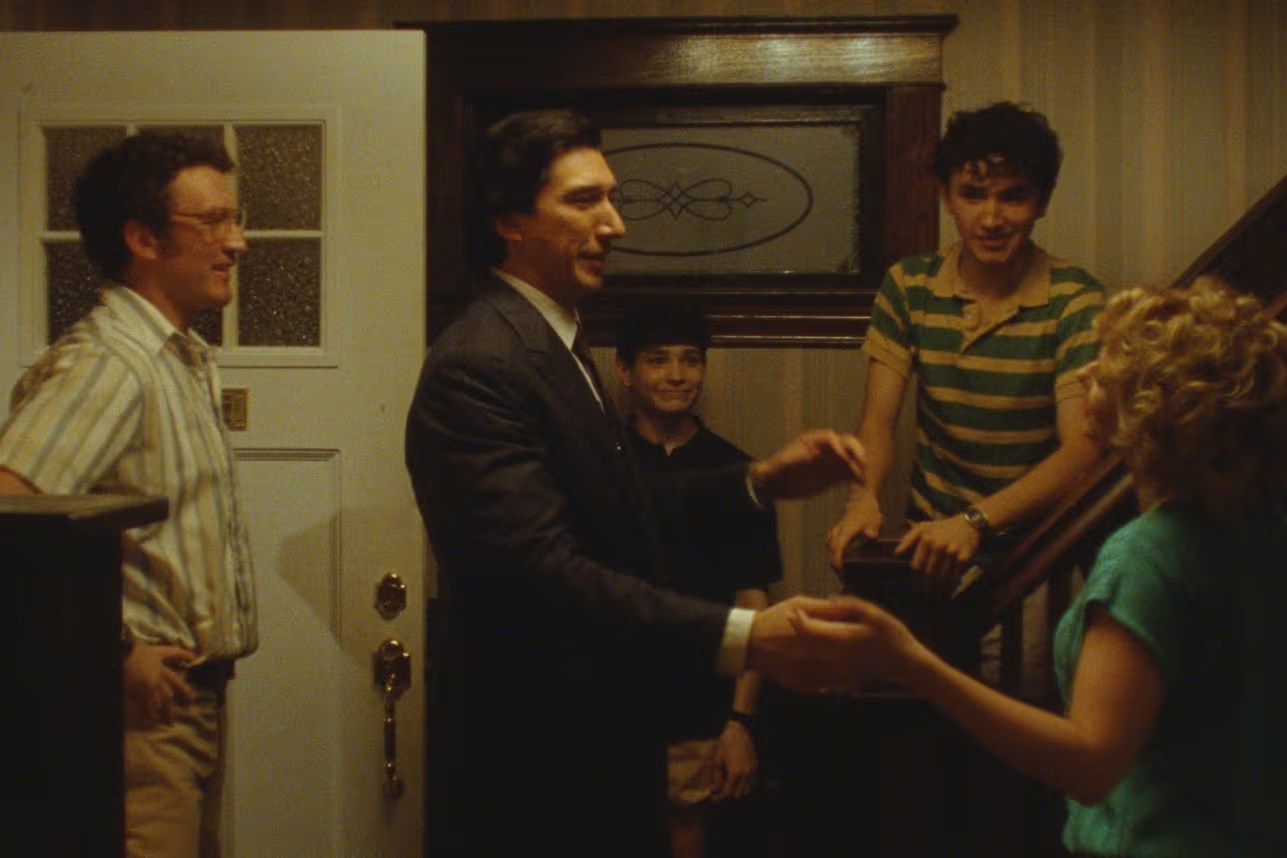
‘Paper Tiger’ and ‘Musk’ Documentary Featured at 2026 SFIFF
The 2026 Santa Fe International Film Festival showcases key titles including 'Paper Tiger' and 'Musk', marking an exciting lineup for this year.
Luca Guadagnino's 'Joie de Vivre' pays tribute to the late Bernardo Bertolucci with a lengthy docu-essay at the Venice Film Festival. This ambitious 426-minute film reflects on cinema and Bertolucci's legacy.
Luca Guadagnino’s docu-essay titled Joie de Vivre. Notes, Thoughts, Words, Reflections, Faces, And Visions Concerning Bernardo Bertolucci And The Cinephilia Of The 20th Century That No Longer Exists premiered on September 9, 2026, at the Venice Film Festival. This piece spans 426 minutes, establishing itself as a significant fixture at this year’s festival, offering a detailed homage to the legendary Italian filmmaker Bernardo Bertolucci, who passed away in 2018.
According to Deadline, Guadagnino’s film is described as more than a traditional tribute; it serves as an exploration of Bertolucci’s impact on cinema while also reflecting the thoughts and feelings surrounding cinephilia in a bygone era. Though Bertolucci’s prominence has lessened in recent years, Guadagnino’s work seeks to revitalize interest in his films and articulate why his legacy continues to matter.
The ambitious runtime has led to varying viewer experiences, with some finding it necessary to break viewings into two segments due to its duration. Deadline notes that Guadagnino adopts a personal lens in recounting Bertolucci's journey, often delving into the director's former home in Rome, which remains untouched since Bertolucci's passing. This intimate gaze invites viewers to witness the spaces that shaped the filmmaker’s creativity.
The docu-essay captures the essence of Bertolucci’s groundbreaking works, from early films like Before the Revolution (1964) to acclaimed projects such as Last Tango in Paris (1972) and The Last Emperor (1987). Guadagnino utilizes a combination of footage, personal reflections, and commentary from various filmmakers and critics to dissect Bertolucci’s contributions and the transformations within the world of cinema.
Joie de Vivre includes insights from prominent figures in the film industry, including Martin Scorsese, who recalls the influence of Bertolucci’s unique approach to Italian cinema. Scorsese’s participation adds significant weight to the retrospective, illustrating Bertolucci’s lasting relevance in contemporary filmmaking.
The film’s first half has received particular praise for its strength, whereas Guadagnino's exploration of complex themes surrounding Last Tango in Paris serves as a focal point for discussion regarding power dynamics and changing perceptions in the film industry over the decades. This duality is pivotal for engaging new audiences and rekindling discussions about Bertolucci's artistic choices.
Despite its historical and cultural significance, Guadagnino's docu-essay is characterized as a challenging watch, not only due to its length but also because of its narrative style, which meanders at times. This non-linear approach may polarize viewers, but it also opens avenues for deeper conversations about the evolution of cinematic expressions and the implications on modern storytelling.
As Deadline highlights, Guadagnino's work elicits a profound nostalgia for a film era that many feel has vanished. His reflections within the documentary, where he poignantly states, “The cinema I grew up with is gone,” could resonate deeply with cinephiles who share this sentiment, providing a platform for discourse about the potential diminishment of lauded film traditions.
Joie de Vivre at the Venice Film Festival marks a substantial cultural engagement with the works of Bernardo Bertolucci, reexamining his legacy while inviting reflection on the future of cinema and storytelling. Guadagnino’s ambitious endeavor may help herald Bertolucci's artistry anew, encouraging audiences to delve into both the celebrated and controversial aspects of his filmography. This tribute is likely to stimulate ongoing conversations in the cinematic community, bridging past influences with contemporary narratives.
Entertainment news
EpisodeBreakdown may use automated tools to assist research, drafting, and formatting. Published pages are governed by our editorial and corrections policies, and source links are shown when they are available in the article record.
Discovery source: Deadline. The source identifies where the topic was discovered; EpisodeBreakdown is responsible for the commentary published on this page.
Reader response
Reactions and poll results are based on real reader responses. No account is required.