‘Paper Tiger’ and ‘Musk’ Documentary Featured at 2026 SFIFF
The 2026 Santa Fe International Film Festival showcases key titles including 'Paper Tiger' and 'Musk', marking an exciting lineup for this year.
The Lucas Museum of Narrative Art in LA juxtaposes familiar characters and art styles, reviving the spirit of Gilded Age cultural patronage.
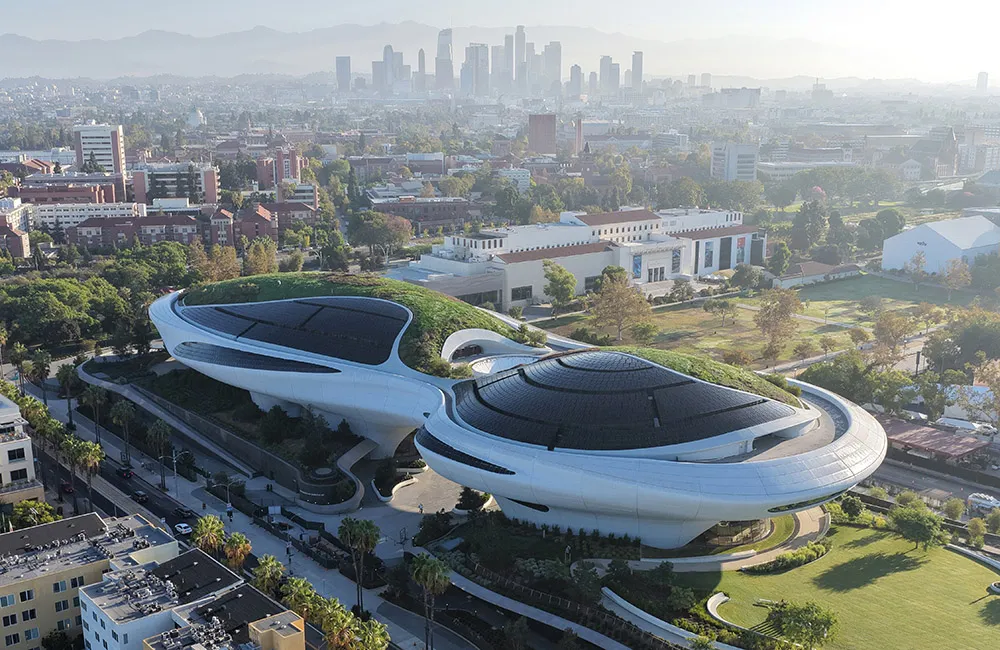
The newly opened Lucas Museum of Narrative Art in downtown Los Angeles has officially launched, as announced by George Lucas on September 2. This ambitious project, worth around $1 billion, showcases a unique blend of popular culture and artistic expression, marking a notable moment in the intersection of narrative and visual arts.
According to The Hollywood Reporter, the museum highlights a striking collection that combines artifacts from popular culture, such as pieces from Star Wars, with significant works by renowned artists like Frida Kahlo. This approach echoes the ethos of Gilded Age patrons who contributed expansively to cultural landscapes. George Lucas described this museum as a reframing of "narrative art," a term he has previously used to describe storytelling artifacts often overlooked by traditional art institutions.
At the heart of Lucas' vision is a personal commitment to challenge prevailing norms around art classification. As Lucas put it, he aims to create a platform that blends high and low culture, indicating that storytelling has intrinsic value worthy of recognition and respect. This populist mission is significant and potentially reshaping how art is perceived and appreciated by the public.
Historically, museums like the Getty and the Broad in Los Angeles are tied to their benefactors, yet the Lucas Museum distinguishes itself by embodying a bold critique of art categorization. The juxtaposition of Norman Rockwell’s The Runaway alongside contemporary pieces highlights the thematic connections that can exist across time periods. Lucas’ endeavors underscore an artistic narrative that is both expansive and inclusive, appealing to a diverse audience that spans beyond traditional art enthusiasts.
George Lucas has taken on an increased role in curatorial decisions leading up to the museum's opening, aiming to draw attention to how narrative shapes our understanding of art. His takeover followed the departure of the inaugural director-CEO and chief curator, indicating a hands-on approach to fulfilling his expansive vision. This proactive involvement is reflective of Lucas' long-standing commitment to storytelling across various mediums and reinforces his belief in the transformative power of narrative.
The museum is characterized by its eclectic mix of artworks, making it an unconventional site for both new and experienced art lovers. As noted in the review, pieces like Garfield comic book panels are displayed alongside works by Kahlo, creating a conceptual universe that raises intriguing questions about the nature of art. Additionally, a large outdoor sculpture depicting Princess Leia is prominently placed in the museum, representing Lucas’ dual role as creator and curator within this space.
This practice of creating unexpected connections stands in contrast to the criticisms Lucas has faced regarding the perceived kitsch nature of some of his curatorial choices. Critics have previously labeled the museum’s concept as simplistic, yet this approach offers a new lens through which to view artistic contributions that have shaped popular culture. By positioning narrative at the forefront, the Lucas Museum encourages visitors to engage with both historical and contemporary dialogues around art and storytelling.
The Lucas Museum encapsulates the audacity associated with past patrons of the arts, akin to figures such as Alice Walton and Albert C. Barnes. Much like these influential individuals, Lucas has embarked on an initiative that, although informed by his success in film, holds the potential for broader cultural repercussions.
By liberating narrative art from the constraints of established museum paradigms, the Lucas Museum may inspire future generations of artists and patrons to rethink the value and role of art amid cultural discourse. With the museum now open to the public, Lucas’ vision stands as a testament to the evolution of narrative art within societal contexts.
The official launch of the Lucas Museum offers a new perspective on how art and narrative intersect, potentially reshaping viewer engagement with both traditional and contemporary works. It emphasizes George Lucas’ ambition to elevate the discourse around popular culture and narrative art, a project years in the making that may set a precedent for future cultural institutions.
As the museum opens its doors, it remains to be seen how audiences will respond to its experimental curatorial style and whether it can bridge gaps between differing perceptions of art.
Entertainment news
EpisodeBreakdown may use automated tools to assist research, drafting, and formatting. Published pages are governed by our editorial and corrections policies, and source links are shown when they are available in the article record.
Discovery source: The Hollywood Reporter. The source identifies where the topic was discovered; EpisodeBreakdown is responsible for the commentary published on this page.
Reader response
Reactions and poll results are based on real reader responses. No account is required.