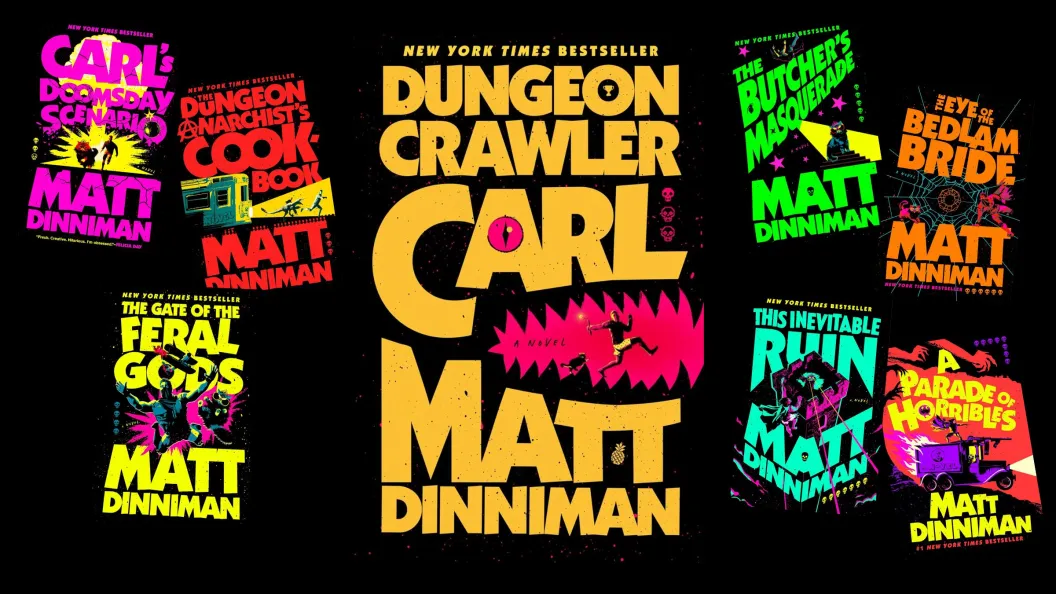
Dungeon Crawler Carl Series Books Discounted Up to 43%
The Dungeon Crawler Carl series by Matt Dinniman is now available at discounts of up to 43% off on Amazon, providing an affordable way for fans to join its growing following.
In an era when glamorous writing jobs feel like folklore, Alexandra Pechman's 'Magazine' depicts its literary world as a fairy tale focused on ambition and innocence.

Alexandra Pechman’s debut film, Magazine, captures the enchanting yet complex world of a prestigious literary magazine through the eyes of its protagonist, Nora, played by Lily McInerny. Set in the nostalgic summer of 2011, the narrative paints a vivid portrait of Nora's journey as she lands a coveted, unpaid internship at Platen, a fictional literary magazine reminiscent of The Paris Review.
The film immerses viewers in an era when office dynamics felt more playful, ambition was unfiltered, and the literary scene was imbued with a sense of magic. While Magazine emanates warmth and charm, it skillfully balances this with the underlying disillusionment that accompanies the pursuit of dreams in a competitive environment.
The story intricately weaves Nora's experiences at Platen, where she interacts with an eclectic mix of fellow interns and seasoned editorial staff. Each character embodies the highs and lows associated with youthful aspirations in a demanding creative industry. The film highlights the joy of collaboration, but it also subtly foreshadows the pitfalls of workplace relationships.
Nora's initial excitement gradually gives way to a more complex understanding of the industry as she navigates office flirtations and romantic entanglements—especially with Thomas (Joshuah Melnick), an alluring but self-absorbed assistant editor. The relationship is marked by charm and manipulation, encapsulating the tension between professional ambition and personal desire.
The film also introduces intriguing characters like Daphne (Iris Apatow), who offers Nora dubious advice about using her femininity to navigate the treacherous waters of office dynamics. Here, Magazine reflects its generational context, resonating with themes relevant to many young women in the workforce today.
Critics have likened Magazine to classics like Almost Famous, applauding its emotional depth while also pointing out the cautionary undertones regarding the sacrifices made for success. This balance creates a narrative that conveys both heartbreak and hope, firmly anchoring the story in the present-day dialogue about ambition and authenticity within the literary world.
The film beautifully captures the anxieties and thrills associated with navigating one’s professional aspirations while reminiscing about a more innocent time. While Pechman’s work draws from her own experiences in the industry, it ultimately champions the resilience of youth and the importance of forging one’s path amidst ambiguity.
Magazine not only serves as Pechman’s introspective exploration of the literary world but also as a broader commentary on ambition and the emotional landscapes that accompany it. The film raises critical questions about the disparity between aspiration and reality, encouraging audiences to reflect on their own journeys.
With its positive reception, film enthusiasts should eagerly await Pechman’s future projects as she continues to evolve as a filmmaker.
For additional insights on filmmaking, check out other recent reviews such as The Assassin(s) Review and Jhené Aiko's Album Achievements.
Entertainment news
EpisodeBreakdown may use automated tools to assist research, drafting, and formatting. Published pages are governed by our editorial and corrections policies, and source links are shown when they are available in the article record.
Discovery source: Variety. The source identifies where the topic was discovered; EpisodeBreakdown is responsible for the commentary published on this page.
Reader response
Reactions and poll results are based on real reader responses. No account is required.