test
asdasd
Explore how Sailor Moon set the stage for magical girl tropes that resonate in anime today.
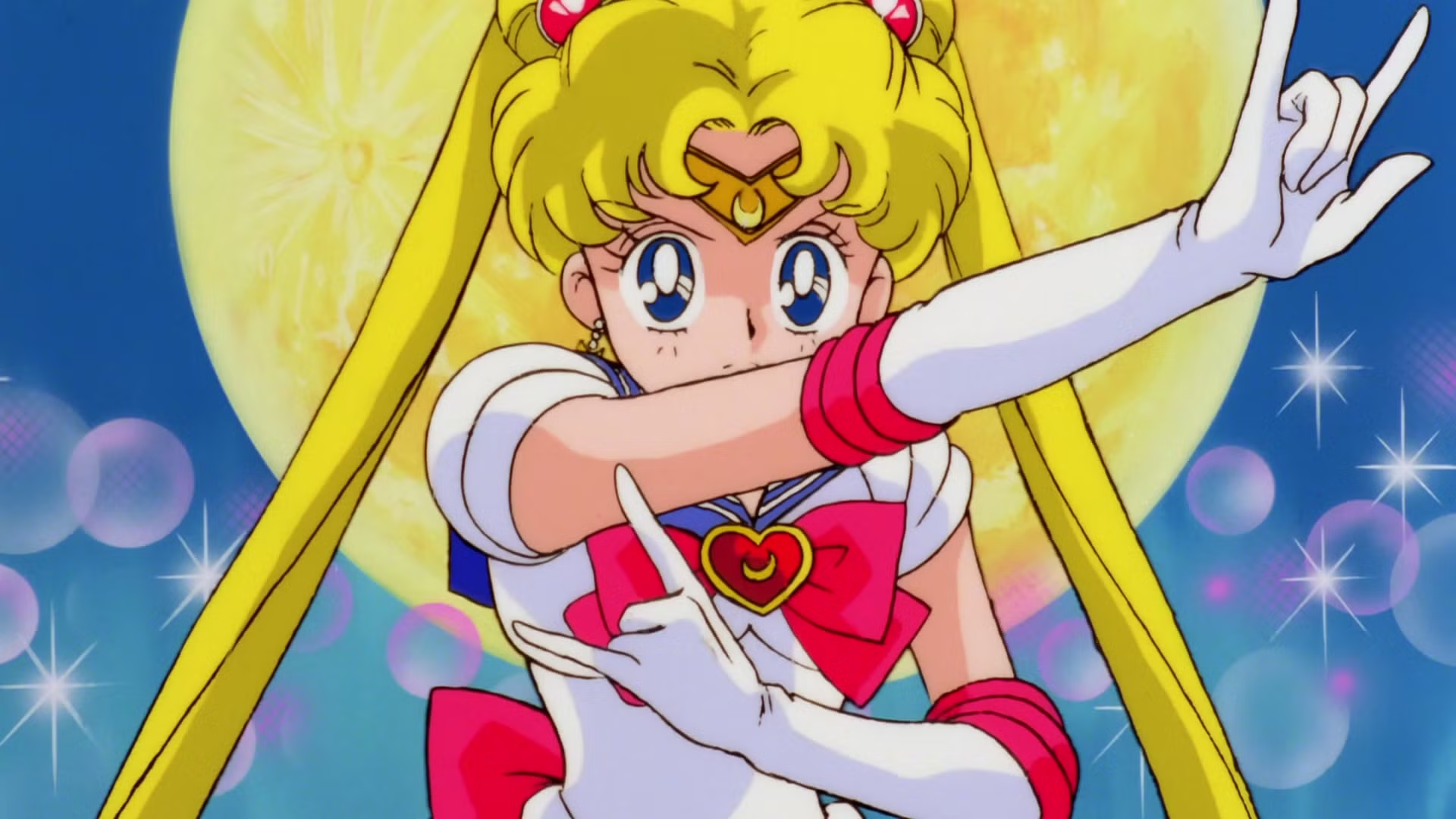
The landscape of anime has been significantly shaped by iconic series, among which Sailor Moon stands tall as a titan of the magical girl genre. Premiering in the early '90s, Sailor Moon not only captivated audiences with its vibrant characters and enchanting narratives but also laid the groundwork for countless magical girl series that followed. As we dive into this fascinating topic, we’ll explore the legacy of Sailor Moon and how it continues to influence the magical girl anime we love today.
When Sailor Moon first aired, it introduced a unique blend of action, romance, and friendship that resonated with a diverse audience. The show broke away from traditional gender norms by featuring strong female protagonists who were not just damsels in distress but powerful warriors capable of fighting for justice. This shift has inspired a wave of magical girl anime that embraced similar themes, creating a subgenre that celebrates girl power and empowerment.
One of the most iconic aspects of Sailor Moon is its transformation sequences, where the main characters undergo stunning visual metamorphoses into their magical forms. This trope has become a staple in magical girl anime, serving as a hallmark of the genre. Series like Cardcaptor Sakura and Madoka Magica have adopted this convention, using it to highlight the characters' growth and emotional journeys.
Sailor Moon emphasizes the importance of friendship and teamwork, showcasing how the bonds between the characters enhance their abilities and deepen their resolve. This theme has been echoed in later series, where the magical girl team dynamic often plays a crucial role in their success against evil. Shows like Pretty Cure and Sailor Moon Crystal further amplify this message, reinforcing the idea that together, they can overcome any obstacle.
Unlike many shows that feature one-dimensional villains, Sailor Moon introduced complex antagonists with rich backstories and motivations. This approach has influenced subsequent magical girl series to develop multifaceted villains, allowing for deeper narratives and character arcs. Fans are often drawn to these intricate stories, as they add layers of tension and emotional depth to the battles between good and evil.
As we look at the present-day magical girl anime, it becomes clear that the influence of Sailor Moon is omnipresent. Recent titles like Little Witch Academia and Re:Creators pay homage to the conventions established by Sailor Moon, while also innovating and expanding the genre in exciting new directions. The adaptability of the magical girl trope allows for diverse storytelling, appealing to both nostalgic viewers and new fans alike.
The ongoing discussions surrounding Sailor Moon and its legacy reflect a broader cultural fascination with the magical girl genre. Fans often share their favorite series and transformation sequences, comparing them to Sailor Moon and debating which shows best capture its spirit. Additionally, the recent resurgence of interest in retro anime has brought Sailor Moon back into the spotlight, allowing new generations to discover its magic.
Sailor Moon has undoubtedly left an indelible mark on the anime industry, shaping the magical girl genre into what it is today. As fans continue to celebrate its legacy, it's clear that the heart of Sailor Moon lives on in the magical girls who fight for love and justice in contemporary anime. With each new series that emerges, we are reminded of the power of friendship, transformation, and the everlasting influence of this beloved classic.
Entertainment news
EpisodeBreakdown may use automated tools to assist research, drafting, and formatting. Published pages are governed by our editorial and corrections policies, and source links are shown when they are available in the article record.
Discovery source: CBR Anime. The source identifies where the topic was discovered; EpisodeBreakdown is responsible for the commentary published on this page.
Reader response
Reactions and poll results are based on real reader responses. No account is required.