‘Paper Tiger’ and ‘Musk’ Documentary Featured at 2026 SFIFF
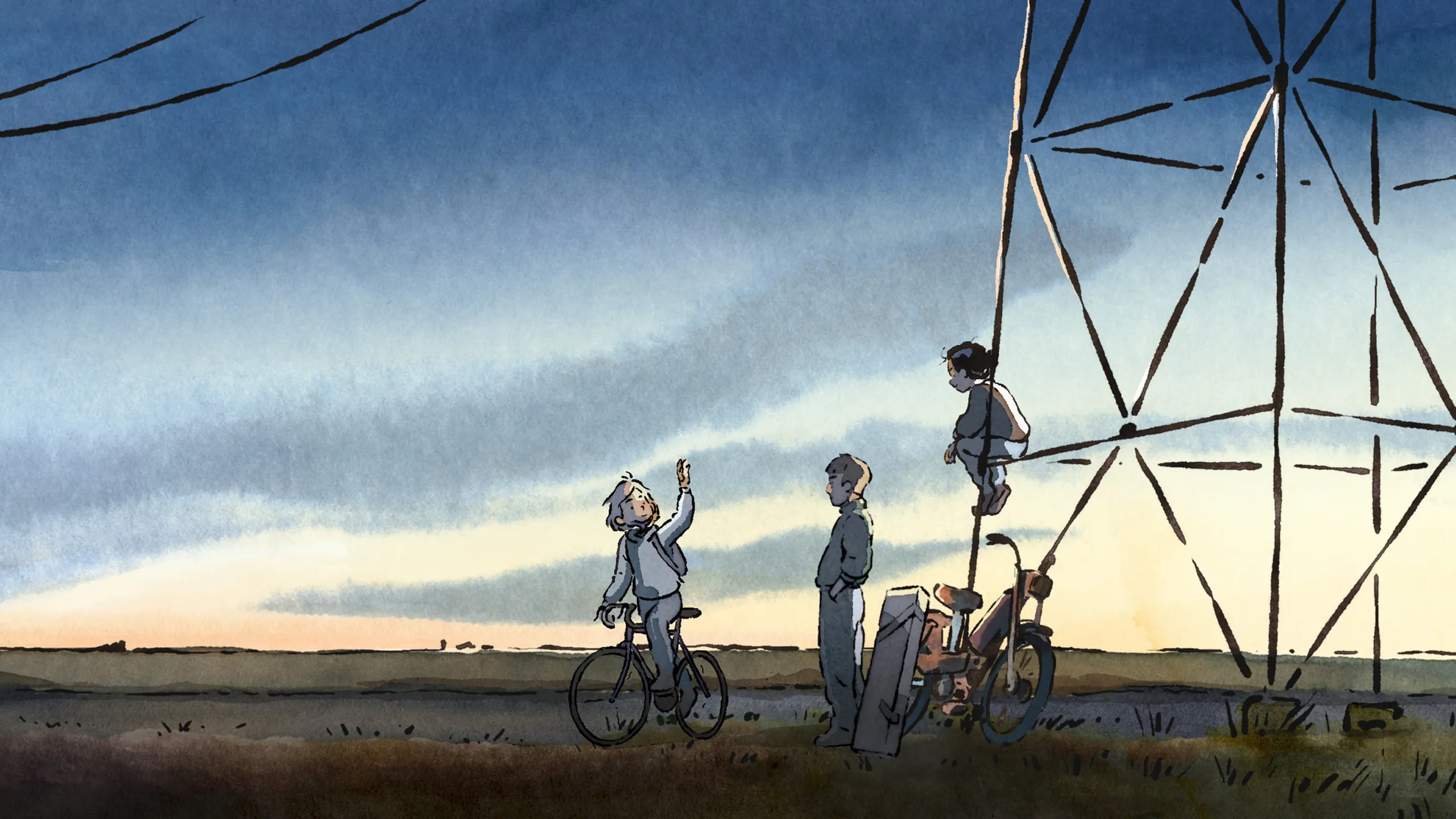
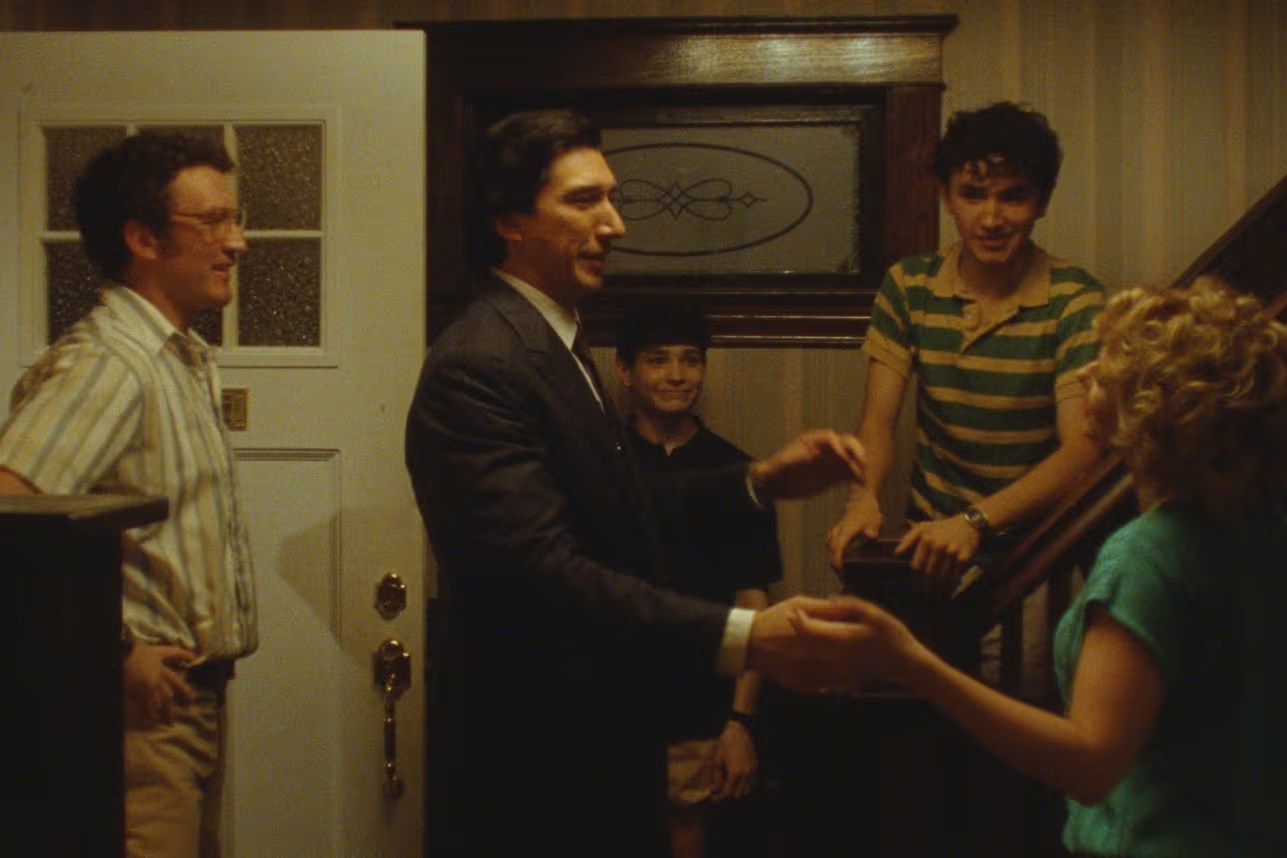
The 2026 Santa Fe International Film Festival showcases key titles including 'Paper Tiger' and 'Musk', marking an exciting lineup for this year.
Eleanor Coppola's documentary, showcasing her daughter Sofia's 2006 film, reveals personal and industry insights from the Telluride Film Festival.

At the 2026 Telluride Film Festival, Eleanor Coppola's deeply personal documentary, Making Marie Antoinette, was showcased, providing a poignant reflection on her daughter Sofia Coppola’s 2006 film of the same name. Deadline reported that this film is a significant exploration of the struggles and triumphs of female filmmakers, particularly in an industry where their visibility has been a growing concern.
Eleanor Coppola, who passed away in 2024, made substantial contributions to the documentary, sharing her insecurities and unique perspectives on being a woman behind the camera. In the film, she candidly reflects on the challenges that exist for female directors. Her voice, portrayed by Diane Lane, articulates a shared sentiment: "I’m basically a shy person and I hate to intrude." This connection she forges vocalizes the common hurdles women face in the historically male-dominated film industry.
The documentary not only delves into Eleanor's thoughts but also highlights Sofia Coppola's distinctive approach to filmmaking. Although Sofia’s Marie Antoinette received mixed reviews upon its release, the documentary acknowledges her innovative blend of contemporary American pop culture with serious historical themes. Eleanor keenly observes Sofia’s commanding presence as a director on what was her third major film, reflecting on how the younger Coppola navigated the pressures of directing a $40 million period piece. This insight aims to provide aspiring filmmakers with a realistic understanding of the industry, particularly for women who may feel overshadowed.
The documentary appeals primarily to fans of Marie Antoinette, but it also serves as a valuable resource for budding filmmakers. It reveals the intricate behind-the-scenes dynamics, the pressures of maintaining a creative vision, and the collaborative effort involved in bringing a grand project to fruition. Many viewers have noted the compelling depiction of family dynamics at play, resonating with audiences who understand the blend of personal and professional ties in creative endeavors. Furthermore, Eleanor’s reflections on the scarcity of women’s voices in the industry during her career provide a striking contrast to today’s climate, which has seen heightened recognition for female filmmakers.
Making Marie Antoinette emerges at a time when female representation in film is under scrutiny, evident from significant disparities at the Venice Film Festival, where only one female-directed film was featured in the competition. This context amplifies Eleanor’s insights, positioning her reflections not as relics of a bygone era, but as urgent reminders of the ongoing struggles women in the film industry face today. As the documentary unfolds, it captures the essence of creativity intertwined with familial bonds, transcending the initial perception of it merely being a behind-the-scenes feature.
The unveiling of Making Marie Antoinette at the Telluride Film Festival signifies the enduring relevance of female narratives in filmmaking, exemplified through the personal lens of Eleanor Coppola. Her reflections on filmmaking, gender, and family resonate strongly, potentially inspiring a new generation of filmmakers while also serving as a historical commentary on the evolving landscape of women’s voices in cinema. Amid growing conversations around representation, Eleanor Coppola’s poignant exploration invites viewers and industry professionals alike to reflect on the relationships and challenges that shape cinematic storytelling today.
Entertainment news
EpisodeBreakdown may use automated tools to assist research, drafting, and formatting. Published pages are governed by our editorial and corrections policies, and source links are shown when they are available in the article record.
Discovery source: Deadline. The source identifies where the topic was discovered; EpisodeBreakdown is responsible for the commentary published on this page.
Reader response
Reactions and poll results are based on real reader responses. No account is required.