Back to the Future Poster Auction Sparks Collecting Frenzy
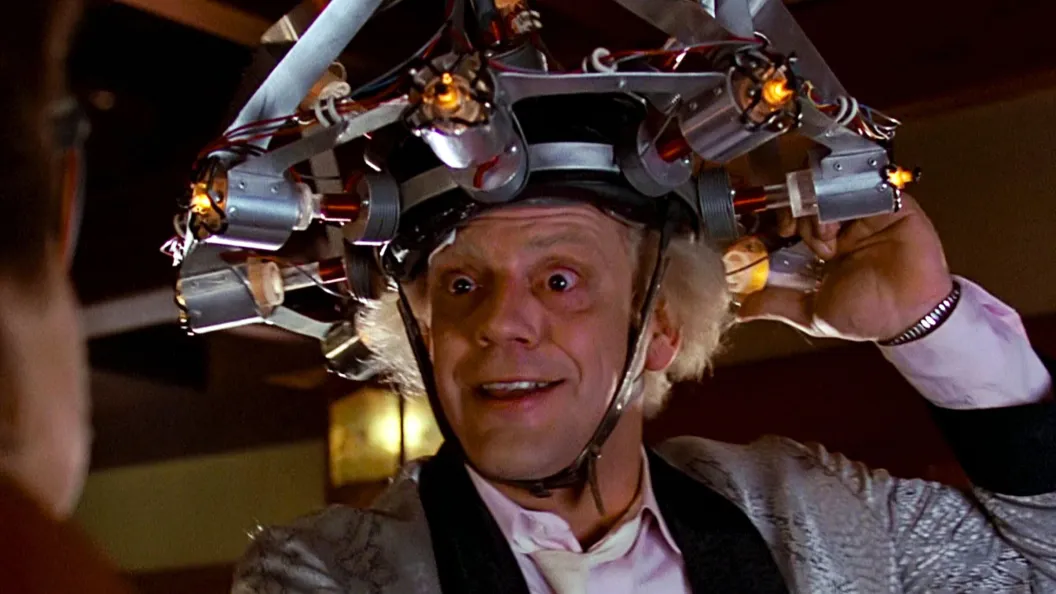
An auction of a signed Back to the Future poster generated excitement among collectors, fetching $12,600 amid heated bidding.
Explore 4 lesser-known Marvel video games from the 2000s, shedding light on titles players may have overlooked despite their innovative gameplay mechanics.
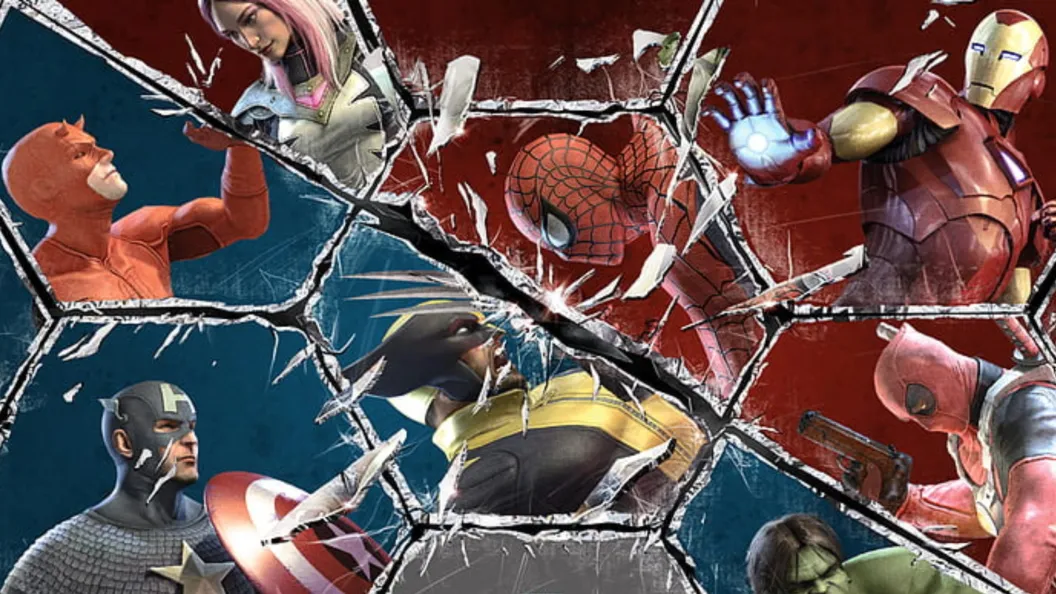
A recent article from ComicBook.com highlights four Marvel video games from the 2000s that many players may have forgotten. This exploration places a spotlight on titles that, despite their innovative gameplay, didn't garner the recognition they might have deserved. Published on September 9, 2026, the piece aims to refresh memories about these hidden gems in the gaming landscape.
The 2000s are often referred to as the "Golden Age" of Marvel games, with notable releases like Ultimate Spider-Man, Marvel Ultimate Alliance, and Spider-Man: Web of Shadows making significant impacts. However, the sheer volume of titles released during this period led to many excellent games being overshadowed or forgotten, resulting in a catalog of lost experiences. According to the article, this decade featured not only blockbuster hits but also a variety of lesser-known projects that experimented with gameplay mechanics and storytelling, some of which were based on lesser-known Marvel characters.
X-Men: Mutant Academy (2000) is identified as a fighting game that struggled for attention against competitors like Marvel vs. Capcom 2. Despite its innovative features, such as a larger roster of characters like Nightcrawler and Mystique, the gameplay felt rigid compared to its contemporaries, limiting its appeal. While it offered modes akin to modern titles, the game's complexity and the release of more polished fighting games quickly left it behind in players’ memories.
The Punisher: No Mercy (2009) stood out as a rare first-person shooter in the superhero genre, a format not commonly associated with Marvel's characters. The game’s structure revolved around arena-style matches with limited flexibility in gameplay, contributing to its unremarkable legacy. Though the article recognizes the multiplayer modes as a strong point, the game still lacked the depth that could have cemented its status among other Marvel titles of its era.
Another title examined is Ghost Rider (2007), which offered two distinct gaming experiences based on the platform. The PlayStation 2 version resembled popular hack-and-slash titles, leveraging fast-paced combat mechanics, while the Game Boy Advance version adopted a side-scrolling format. Despite having a solid narrative written by established Marvel writers, the game didn't achieve cult status like its peers.
Marvel Nemesis: Rise of the Imperfects (2005) is depicted as having an arcade-style format that limited its long-term appeal. While it featured a roster filled with fan favorites such as Spider-Man and Doctor Doom, the simplistic gameplay likely prevented it from competing with more complex titles like Marvel Ultimate Alliance, released a year later. Despite this, some players recall fondly the casual fun provided by its easy-to-grasp mechanics.
The article from ComicBook.com serves as a reminder of the creative experimentation present in 2000s Marvel video games. Amidst stellar titles, many games with unique gameplay were lost to time but warrant a revisitation for both nostalgia and historical appreciation in gaming culture. For readers interested in Marvel's legacy in gaming, the examination of these lesser-known titles could provide insights into how far the franchise has come and the diverse approaches taken by developers in interpreting Marvel lore. For fans who enjoy the intricacies of comic book adaptations in gaming, this article sparks curiosity about how these forgotten titles have influenced current developments. Readers may want to dive deeper into Marvel's extensive gaming history, considering how overlooked games might one day return to the limelight and achieve newfound appreciation.
Explore more on Marvel's impact with our articles on Attack on Titan's Anniversary and Batman: Bad Seeds to see how comic influences continue to shape gaming and storytelling.
Entertainment news
EpisodeBreakdown may use automated tools to assist research, drafting, and formatting. Published pages are governed by our editorial and corrections policies, and source links are shown when they are available in the article record.
Discovery source: ComicBook.com. The source identifies where the topic was discovered; EpisodeBreakdown is responsible for the commentary published on this page.
Reader response
Reactions and poll results are based on real reader responses. No account is required.