anime
Dokagui Daisuki Mochizuki san
Marvel's first action figure line transformed from a quirky novelty to a collector's treasure worth significantly more.
Explore the franchise
In simple terms, Marvel's first-ever action figures, which originally sold for just 50 cents, are now valued at approximately $500 for a complete set. This remarkable price increase highlights both their historical significance and the evolution of Marvel's merchandising influence. ComicBook.com first reported this intriguing development on August 5, 2026.
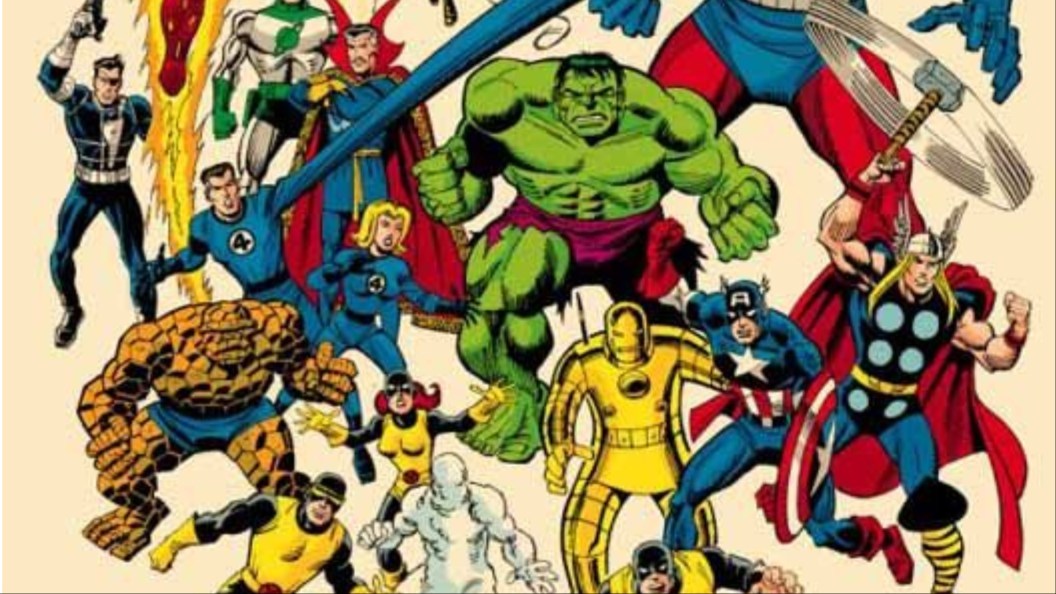
What happened next was a blend of nostalgia and economic growth in the collectibles market. According to Robert Dunakin at ComicBook.com, these early figures from the 1960s were not just toys; they encapsulated the burgeoning Marvel Universe which had only recently begun to establish itself in comic books. Initially introduced by Marx Toys, the six unarticulated figures represented iconic characters like Iron Man, Thor, and the Hulk. Though unimpressive by today’s standards, they were groundbreaking at the time, offering fans their first tangible connection to beloved comic heroes.
During the late 1960s, Marvel was riding the wave of what would later be referred to as "Marvelmania." This was a pivotal period in which the publisher's interconnected comic universe was flourishing, but its characters were not yet household names. Their first foray into toys was a partnership with Marx Toys, marking a significant moment in merchandising history.
In September 1966, Marvel characters began to appear on television through the animated series "Marvel Super Heroes." By 1967, the Marvel-branded action figures hit the market. Although these figures were basic by modern standards—unarticulated and produced in vibrant colors—they allowed young fans an exciting opportunity to engage with their favorite heroes off the page.
Over the years, the initial retail price of 50 cents per figure has skyrocketed, with current complete sets valued around $500. This surge in worth can be attributed to multiple factors. First, the nostalgic appeal of these figures has grown among collectors and retro toy enthusiasts. Additionally, the evolution of Marvel into a cinematic powerhouse, coupled with a growing interest in vintage collectibles, has made these figures especially enticing to those looking to own a piece of history.
The market around these toys is particularly interesting. As collectors seek to complete sets or find specific figures, the rarity and condition of each item significantly impact its value. Many of these figures remain in played-with condition, often marked by scuffs or missing parts, which only adds to their allure as nostalgic artifacts. Collector interest has fueled demand, making it a lucrative domain for vintage Marvel merchandise.
The figures produced by Marx Toys were notable not just for their characters but also for their market positioning. At the time, the company was America's leading toy manufacturer and recognized the burgeoning popularity of Marvel Comics. Their choice of characters—including the likes of Captain America and Daredevil—capitalized on the growing readership and the potential for merchandise. This calculated decision is largely seen as a turning point in how comic book characters would transition into other media, establishing a precedent for future toy lines.
Interestingly, the omission of other fan-favorites like the Fantastic Four from this initial lineup raises questions about marketing strategies of the time. Nevertheless, the inclusion of characters that would become iconic ensured that the figures retained a strong market position even years later.
Though the Marx line was relatively short-lived, its impact was profound. The molds for these action figures were reissued in 1976 by Fleetwood Toys, but the original unpainted figures remain the most sought after. Collectors today tend to value the earlier batch more highly due to their cultural significance and rarity.
As the comic book and collectibles market evolves, these early figures serve as a reminder of how far the industry has come. From humble beginnings in toy aisles to commanding impressive prices among collectors, Marvel’s initial action figures reflect a critical chapter in both the publishing and merchandising stories that continue to develop today. For those interested in exploring vintage Marvel collectibles, you can find listings such as those generated by eBay or dedicated collector forums.
The valuation trajectory of Marvel's first action figures underscores their cultural significance over the decades. As the collectibles market expands and evolves, items like these not only evoke nostalgia but also serve as a tangible connection to the history of comic book storytelling. For avid collectors, acquiring the original Marx Toys figures represents more than just a financial investment; it embodies a cherished piece of Marvel history, filled with personal and cultural resonance.
For those looking to dive deeper into Marvel's storied legacy, check out articles on Marvel's Nightcrawler or explore Marvel Tōkon: Fighting Souls for the latest updates in the franchise's ongoing evolution.
Entertainment news
EpisodeBreakdown may use automated tools to assist research, drafting, and formatting. Published pages are governed by our editorial and corrections policies, and source links are shown when they are available in the article record.
Discovery source: ComicBook.com. The source identifies where the topic was discovered; EpisodeBreakdown is responsible for the commentary published on this page.
Reader response
Reactions and poll results are based on real reader responses. No account is required.
Toho has confirmed the anime adaptation of Kamome Maruyono's comedy gourmet series, Dokagui Daisuki Mochizuki-san, marking an exciting new project for fans.