Marvel Studios Animation Addresses MCU’s New Hero Shortfall
Marvel Studios Animation has become a safe haven for newer heroes who haven’t gotten a proper chance to shine in the live-action MCU. The division, established in 2021 as a separate arm of Marvel Studios, has been quietly expanding its role in the multiverse narrative while addressing a key fan concern: the underutilization of recent MCU characters.
After Avengers: Endgame raised the stakes of the MCU to universe-spanning proportions, fans immediately wondered how Marvel Studios president Kevin Feige and his team would follow up on the epic two-parter that saw nearly every hero in the MCU take on Thanos (Josh Brolin) and ultimately resurrect half of the universe. The answer soon became clear: the entire multiverse would be on the line this time. As Phases 4, 5, and 6 laid out the initial plan for the Multiverse Saga — and pivoted away from Kang toward Doctor Doom as the ultimate threat — it also established a whole new generation of heroes, some brand-new and some inheriting a mantle from an original Avenger.
However, with both legacy and new characters in the mix as well as an entire multiversal threat to contend with, the MCU’s Multiverse Saga has left some fans feeling disappointed. Yelena Belova is perhaps one of the only newer heroes to get ample screen time, with roles in Black Widow, Hawkeye, Thunderbolts, and Spider-Man: Brand New Day. Meanwhile, many other newer heroes, such as Simu Liu’s Shang-Chi and Iman Vellani’s Ms. Marvel, have not been able to step up the way some fans expected.
Animated Series Expand Multiversal Storytelling Without Canon Status
Marvel Studios Animation has launched several key animated series designed to build out the multiverse, including X-Men ‘97 and Your Friendly Neighborhood Spider-Man, which exist in parallel worlds to the MCU proper. But the division has also allowed projects like What If…? and Marvel Zombies to shift the MCU spotlight beyond marquee figures like the X-Men and Spider-Man.
What If…? not only further explores Doctor Strange’s complicated relationship to the multiverse but also lets fan favorites like Shang-Chi, Kate Bishop, Agatha Harkness, and Red Guardian have stories of their own. The series even introduces its own hero in Kahhori. Meanwhile, Marvel Zombies is set in a post-apocalyptic world where most of the original heroes either became flesh-eating zombies or fell victim to them, positioning Ms. Marvel as the central hero and featuring a character named Blade Knight — a version of Blade clearly modeled after Mahershala Ali who takes on the mantle of Moon Knight.
Many newer characters also appear in key roles across these shows, including Kate Bishop, Riri Williams, Shang-Chi, and Red Guardian. Even Yelena Belova — with Florence Pugh voicing her — makes a memorable appearance in Marvel Zombies.
Why Animated Series Are a Strategic Solution for MCU
The beauty of Marvel Studios Animation’s approach is the freedom it provides to experiment with less proven heroes and darker, more violent stories without the constraints of live-action continuity. However, nearly all of these projects — with the notable exception of Eyes of Wakanda — are explicitly set in alternate worlds. As a result, none of these adventures are acknowledged as canon within the core MCU.
This distinction has allowed Marvel to address a major fan complaint: the over-reliance on familiar characters in the live-action MCU. With Robert Downey Jr. and Chris Evans both returning to the MCU, some fans are skeptical that the MCU is ready to move past the characters that defined the Infinity Saga. The animated series have provided a space for newer heroes to gain screen time without the pressure of live-action expectations.
What’s Next for MCU Animation and Live-Action Integration
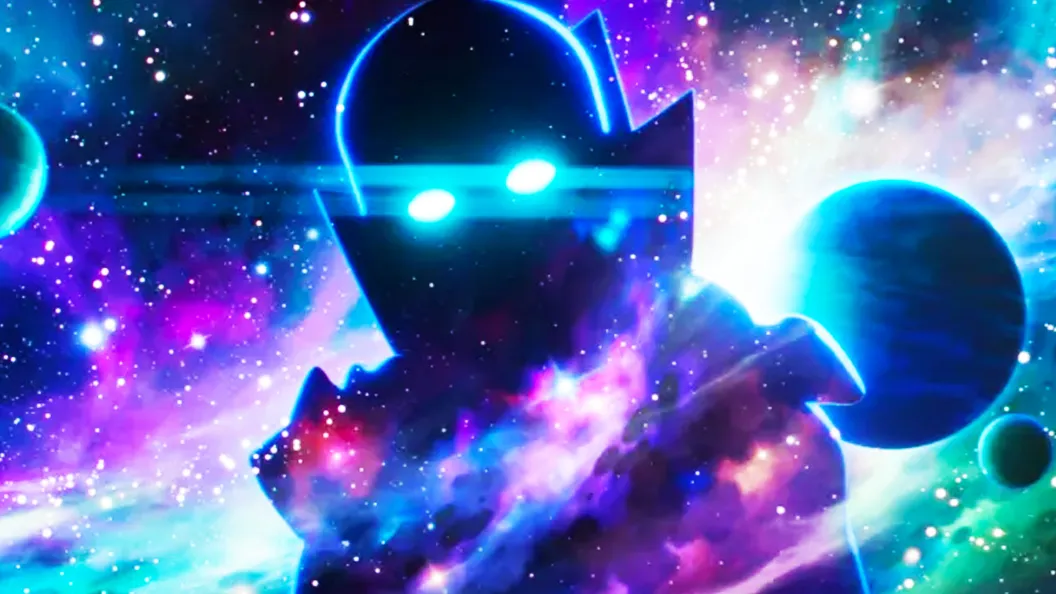
Until then, fans craving more of the characters introduced in projects like Shang-Chi and the Legend of the Ten Rings, Ms. Marvel, Eternals, Hawkeye, Moon Knight, and Ironheart can find solace in the MCU’s animation wing. And with any luck, Uatu (the Watcher), voiced by Jeffrey Wright on What If…?, will make his live-action debut soon to tie these series into the rest of the Multiverse Saga.
While Marvel Studios Animation has already addressed the biggest complaint in the MCU — the lack of opportunities for newer heroes — it has done so in a way that fans might not have expected: by prioritizing animated storytelling over live-action continuity. This approach has given the MCU a temporary solution to a long-standing issue without compromising the core narrative structure.
Marvel Studios Animation Addresses MCU’s New Hero ShortfallAnimated Series Expand Multiversal Storytelling Without Canon StatusWhy Animated Series Are a Strategic Solution for MCUWhat’s Next for MCU Animation and Live-Action Integration
EpisodeBreakdown may use automated tools to assist research, drafting, and formatting. Published pages are governed by our editorial and corrections policies, and source links are shown when they are available in the article record.
Discovery source:ComicBook.com. The source identifies where the topic was discovered; EpisodeBreakdown is responsible for the commentary published on this page.
Reader response
What did you think?
Be the first to react
Reactions and poll results are based on real reader responses. No account is required.
Continue the story
news
7 Star Trek Character Deaths That Still Haunt Fans Decades Later
Star Trek has killed hundreds of characters over its 60-year history, but some deaths remain emotionally resonant decades later. This list highlights seven iconic character deaths that continue to impact fans, with one character returning despite the loss.Read next →