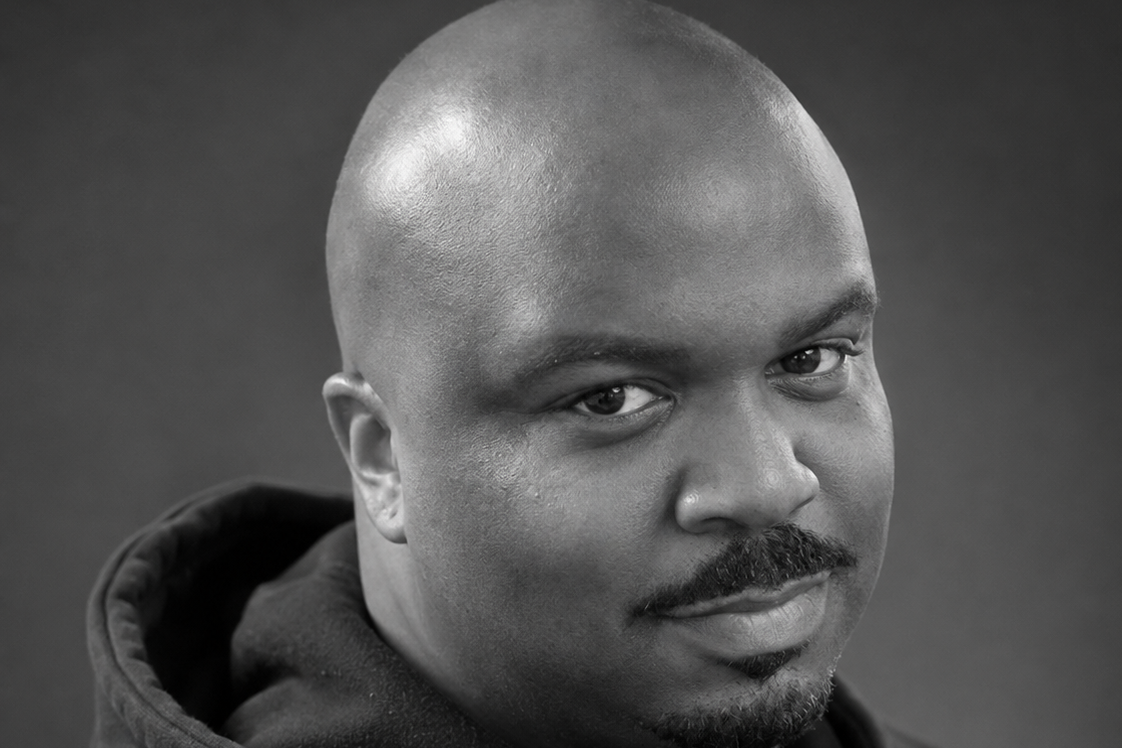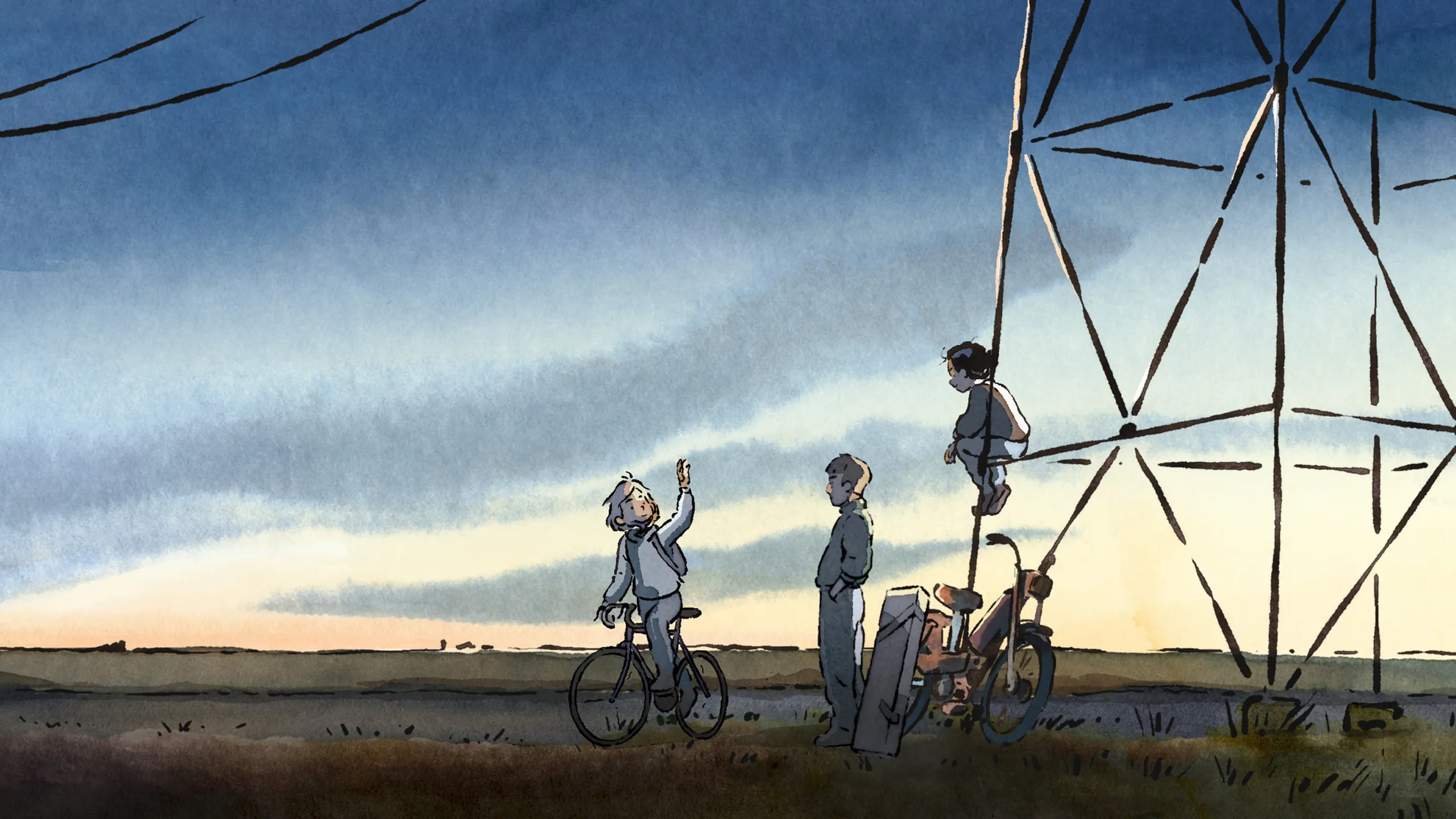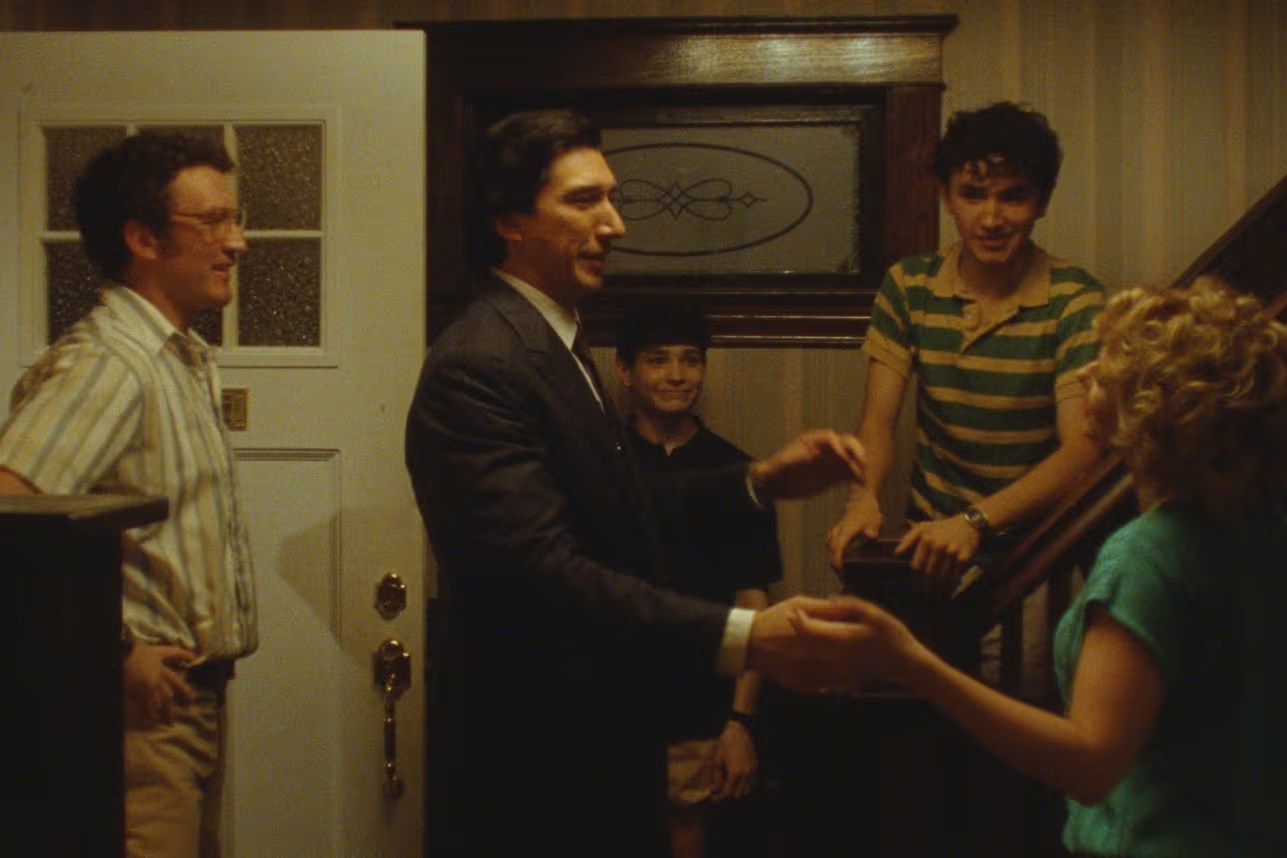
‘Paper Tiger’ and ‘Musk’ Documentary Featured at 2026 SFIFF
The 2026 Santa Fe International Film Festival showcases key titles including 'Paper Tiger' and 'Musk', marking an exciting lineup for this year.
Marvel's iconic villain teams have diminished over the years. Explore how changes in the comic industry led to their decline.
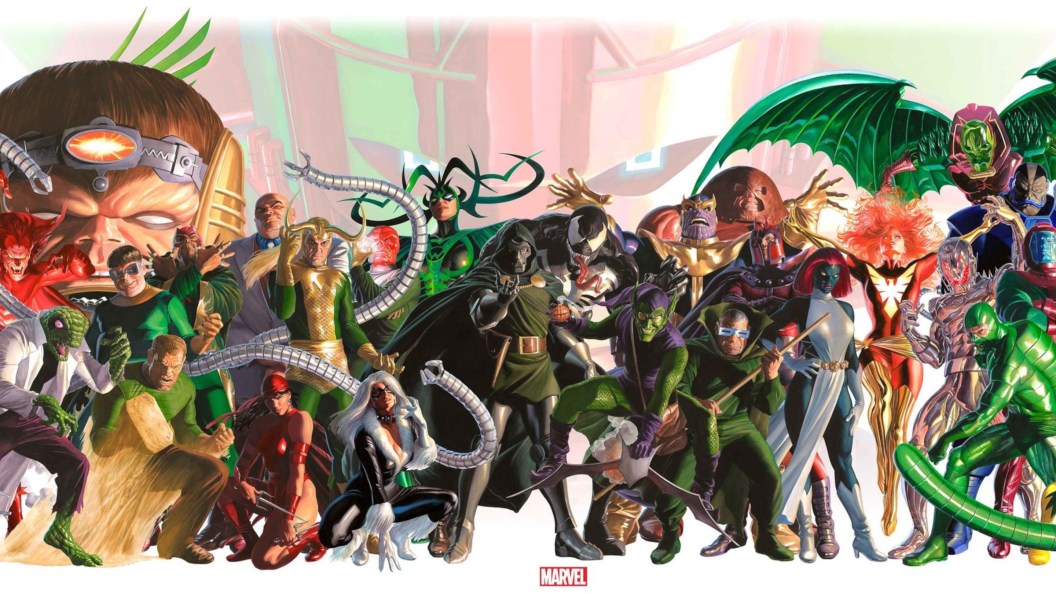
In the early 1960s, Marvel Comics began to transform the comic book landscape with the release of Fantastic Four #1. This marked the beginning of a new era where heroes and villains were crafted with greater depth and human qualities. By 1963, notable super teams had emerged, such as the Avengers, the X-Men, and the Fantastic Four, which paved the way for the development of villain teams like the Brotherhood of Evil Mutants and the Masters of Evil. These teams provided crucial opposition to their heroic counterparts and contributed significantly to the storytelling in Marvel Comics during that period.
Initially, villain teams were essential to the narrative framework of Marvel, and groups like the Brotherhood of Evil Mutants, founded by Magneto, became cornerstones in the lore surrounding the X-Men. The Masters of Evil, a unified force of Avengers antagonists, were created to pose significant threats to the Avengers, establishing a pattern of hero-villain dynamics that captivated readers. However, over time, the prominence of these teams waned, with reports highlighting that even well-known entities like the Brotherhood and the Masters have become increasingly rare in contemporary narratives.
Several interrelated factors have contributed to the decline of Marvel's villain teams:
Power Creep: The escalating power levels of both heroes and villains have redefined what constitutes a significant threat in the Marvel Universe. As individual villains like Count Nefaria have become capable of single-handedly defeating hero teams, the necessity for collective villain forces has diminished.
Changing Perceptions of Villains: The Thunderbolts series, which presented former villains pretending to be heroes, shifted how audiences perceive villainous characters. This nuanced portrayal has made traditional villain teams—often cast as merely evil—less relevant in modern storytelling.
Oversaturation of Event Books: As comic storytelling evolved, large-scale events have become more frequent, often overshadowing the individual conflicts that once defined stories. The impact of events, such as battles involving Thanos, has rendered team-versus-team showdowns less engaging, leading to a decline in their importance within story arcs.
Despite the challenges facing Marvel's villain teams, their presence in recent storylines indicates that they still hold relevance. The Masters of Evil recently made an appearance in One World Under Doom, and the blending of the Hellfire Club with the Brotherhood of Evil Mutants as the Hellfire Brotherhood in X-Men: The Hellfire Murder #1 shows that the idea of villain teams is being revisited. However, these modern iterations have struggled to achieve the same level of significance they once held in earlier decades.
The decline of these once-revered villain teams within the Marvel Universe begs the question of whether they will ever regain their stature. Although the narrative landscape has evolved, and the focus has shifted towards more individualistic villain profiles, the history of comic storytelling suggests that no concept is truly dead. As new creative directions emerge, villain teams might find their way back into central narratives and become vital components of the Marvel storytelling framework again.
The transformation of Marvel's villain teams echoes broader trends within the comic book industry, indicating shifts in reader expectations and industry standards. While these teams once personified opposition to superheroes, their diminished roles reflect an evolving narrative landscape where individual power dynamics reign supreme. As the industry continues to adapt, it remains to be seen whether villain teams can reclaim their former glory or if they will stay as mere afterthoughts in a complex tapestry of heroes and villains.
For more on comic book shifts and their implications, check out our analysis of the Thunderbolts series and how character redemption has reshaped villain portrayals.
Marvel's Thunderbolts: A Groundbreaking Narrative Change Comic Book Events: A New Era of Spectacle
Entertainment news
EpisodeBreakdown may use automated tools to assist research, drafting, and formatting. Published pages are governed by our editorial and corrections policies, and source links are shown when they are available in the article record.
Discovery source: ComicBook.com. The source identifies where the topic was discovered; EpisodeBreakdown is responsible for the commentary published on this page.
Reader response
Reactions and poll results are based on real reader responses. No account is required.