‘Paper Tiger’ and ‘Musk’ Documentary Featured at 2026 SFIFF
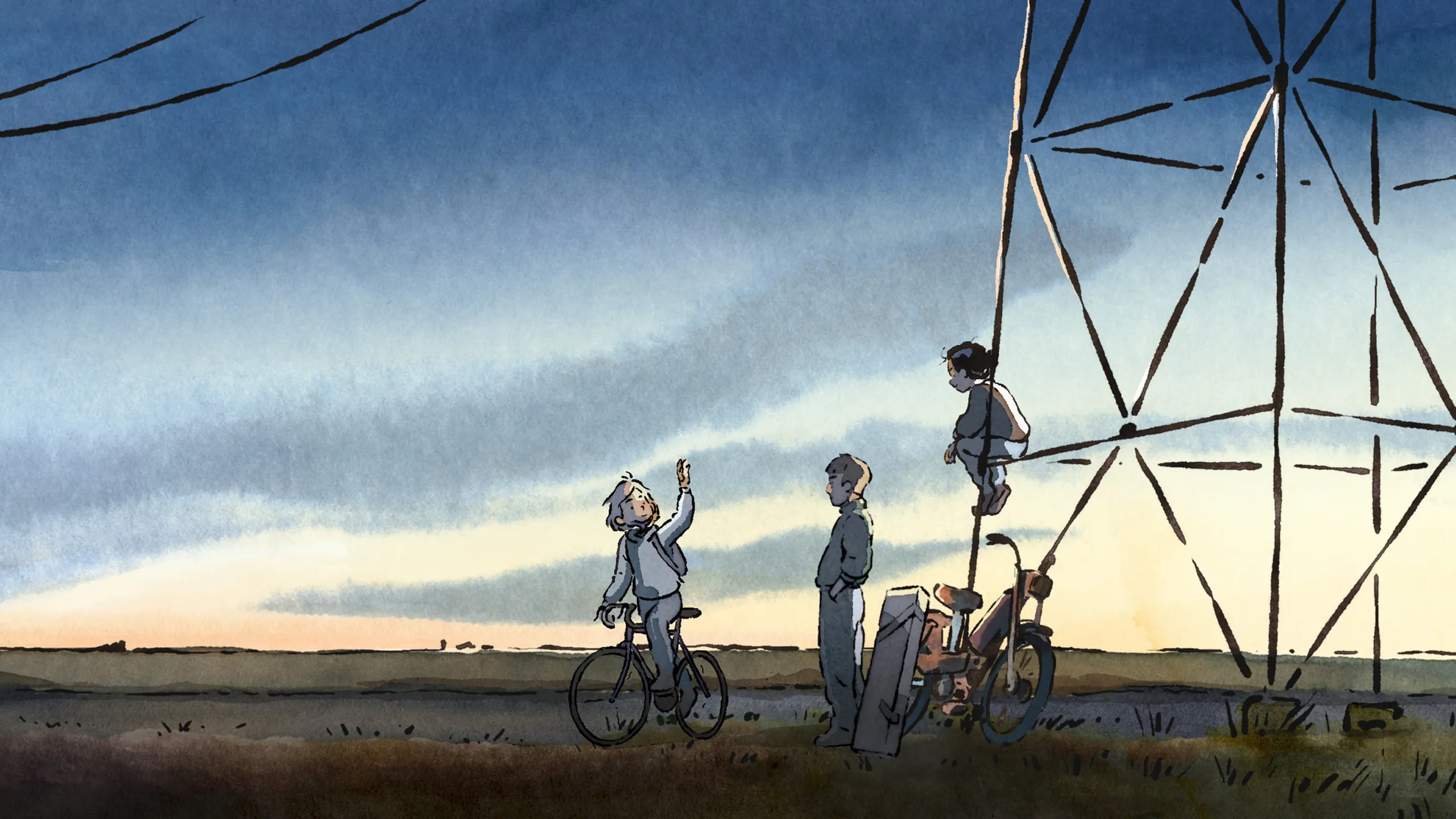
The 2026 Santa Fe International Film Festival showcases key titles including 'Paper Tiger' and 'Musk', marking an exciting lineup for this year.
In 2013, Robert Downey Jr. was on the verge of leaving the MCU. Here's how Marvel Studios secured his return and shaped the franchise's future.
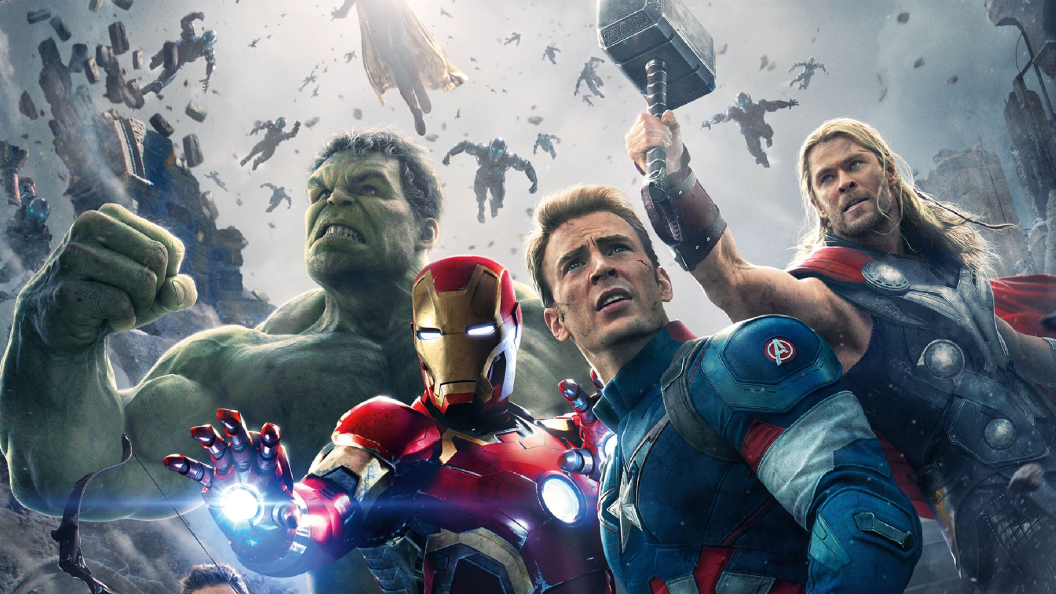
In a revealing report by ComicBook.com, it has come to light that in 2013, Robert Downey Jr. was at a crossroads with Marvel Studios regarding his role as Iron Man. Following the release of Iron Man 3, his contract had reached its end, prompting significant discussions over his future in the franchise. With Avengers 2 already confirmed at the time, the studio faced the very real prospect of moving forward without their biggest star.
This situation mattered greatly for Marvel, as losing Downey could have led to a ''butterfly effect'' within the Marvel Cinematic Universe (MCU), fundamentally altering its narrative structure and character dynamics. Analysts back in 2013 speculated that the absence of Iron Man might have hindered the MCU from achieving the immense success it later attained.
Initially, Downey Jr. was a risky choice for Marvel, earning a modest $500,000 for the first Iron Man film, especially compared to his co-star Terence Howard, who received $3.5 million. Given Downey's history of personal struggles, including addiction and legal issues, his casting raised eyebrows. However, the success of Iron Man, which grossed over $585 million globally, validated Marvel’s gamble. The actor's contractual agreement allowed him a percentage of the film's profits, leading him to eventually earn millions as the franchise progressed.
By the time discussions for Avengers 2 and 3 surfaced, Downey had become a dominant force in Hollywood. Reports from ComicBook.com indicate that he negotiated a two-picture deal for between $50 million and $80 million, firmly establishing himself as the highest-paid actor in Hollywood at that time. This financial triumph not only highlighted Downey's importance to the MCU, but positioned him as a central figure in its narrative.
Had Robert Downey Jr. not re-signed, Marvel would have faced substantial challenges. The studio would likely have needed to recast the character or adjust its narrative to cope with the void left by Iron Man, possibly delaying future projects. At that point, characters who could succeed him, like War Machine or Iron Heart, were not yet fully developed within the narrative, indicating that a lack of Iron Man could have substantially slowed the MCU’s momentum.
ComicBook.com notes that the decision to extend Downey Jr.'s contract marked a turning point for the MCU and prompted a major internal restructuring within Marvel Studios. Disney CEO Bob Iger intervened to facilitate negotiations, demonstrating the political complexity involved in keeping Downey within the fold. The outcome not only preserved Downey's iconic role but also set the stage for continued successes in future phases of the MCU.
After an illustrious run culminating in Avengers: Endgame, where his character sacrificed himself to save the universe, many believed Downey was finished with the MCU. However, he recently surprised fans by revealing at San Diego Comic-Con 2024 that he would return as Victor von Doom in Avengers: Doomsday and Avengers: Secret Wars, scheduled for 2026 and 2027. Reports suggest he may receive a staggering $50 million baseline salary per film, further emphasizing Downey's unique position within the franchise.
His path from uncertainty in 2013 to prominence as a cultural icon has left an indelible mark on the MCU. Robert Downey Jr. transitioned from being a risky casting choice to integral to Marvel’s continued success, shaping the franchise's narrative and its global prominence.
The events of 2013 serve as a compelling reminder of how fragile the foundational moments of the MCU were, hinging on Downey’s pivotal decision to stay. Moreover, his return as a different character signals a new phase for both him and the franchise, leaving fans to wonder how fresh narratives will emerge from this unexpected turn. The MCU without Robert Downey Jr. was once a daunting thought, yet his potential roles moving forward could redefine what is possible within this ever-expanding cinematic universe.
For more insights on the marvels of cinematic storytelling, check out our features on 4 Superheroes Needing a Movie Beyond Marvel and DC and VisionQuest Showrunner Reveals Emotional AI Storyline Tied to Endgame.
Entertainment news
EpisodeBreakdown may use automated tools to assist research, drafting, and formatting. Published pages are governed by our editorial and corrections policies, and source links are shown when they are available in the article record.
Discovery source: ComicBook.com. The source identifies where the topic was discovered; EpisodeBreakdown is responsible for the commentary published on this page.
Reader response
Reactions and poll results are based on real reader responses. No account is required.